
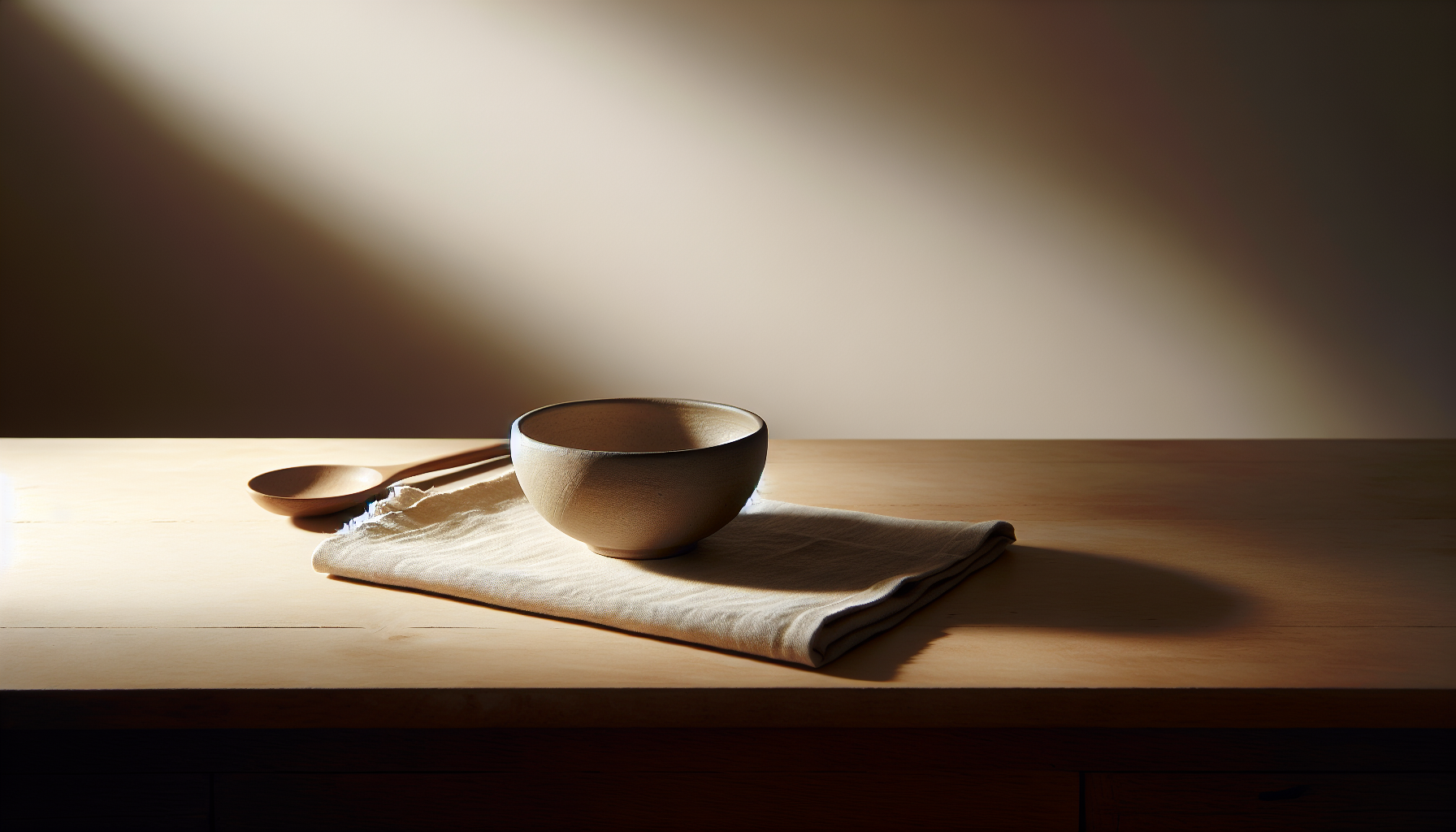
Have you ever noticed how a single empty corner or a simple tabletop can change the way you feel in a room?
Japandi Emptiness and the Quiet of Peace
You’re about to learn how Japandi uses intentional emptiness to produce a calming, peaceful environment. This article breaks down the philosophy, design principles, and practical steps you can take to bring the quiet of peace into your home through thoughtful emptiness.
What is Japandi?
Japandi is a hybrid aesthetic that blends Japanese wabi-sabi and Scandinavian minimalism, focusing on simplicity, natural materials, and functional beauty. You’ll find it emphasizes clean lines, muted color palettes, and purposeful negative space that encourages calm and clarity.
Origins and cultural roots
The concept comes from two design traditions: Japan’s long-established appreciation for imperfection and space, and Scandinavia’s functional, human-centered design. Both value restraint and the way empty space enhances presence, which is why their fusion feels so harmonious.
What emptiness means in Japandi
Empty space isn’t lack; it’s intentional breathing room that frames objects and allows them to be appreciated. You’ll notice how emptiness in Japandi highlights texture, form, and the relationship between objects, making the environment feel quieter and more considered.
Core principles of Japandi aesthetics
Japandi rests on a few guiding ideas that make emptiness effective. When you apply these, every empty area becomes meaningful rather than merely sparse.
Minimalism with warmth
Minimalism in Japandi is not cold. You’ll remove excess while adding warmth through textures, wood tones, and soft textiles. That warmth keeps emptiness feeling cozy rather than sterile.
Natural materials and craftsmanship
Natural materials such as wood, stone, clay, and linen are central. You’ll appreciate how handcrafted items and visible grain or patina bring life to empty spaces, creating a sense of authenticity and peace.
Functional beauty and purpose
Everything you keep should have a purpose or beauty that matters to you. You’ll learn to prioritize items that serve multiple functions or have emotional resonance, making emptiness purposeful rather than empty.
Asymmetry and balance
Unlike strict symmetry, Japandi embraces gentle asymmetry which feels more organic. You’ll balance negative space with carefully placed objects to achieve a calm, natural composition.
How emptiness creates peace: the psychology
Empty spaces affect your mind and body in measurable ways. Understanding these effects will help you design emptiness that genuinely calms you.
Reduced cognitive load
Clutter taxes your attention and memory. When you reduce visual noise, you free mental resources for rest, creativity, or focused tasks. You’ll find it easier to relax or concentrate when your environment is less demanding.
Visual breathing and slower rhythms
Empty areas create visual breathing room that slows your perception of space. This unhurried feel reduces stress signals, letting you move and breathe more intentionally.
Increased perception of quality
With less around, the items you do own appear more valuable and deliberate. You’ll begin to savor materials and forms more deeply, which reinforces feelings of satisfaction and calm.
Biophilia and connection to nature
Japandi often incorporates natural elements that foster a sense of connection to the outdoors. You’ll feel calmer when wood, plants, and natural light are emphasized by empty space, tapping into innate biophilic responses.
Key elements to create Japandi emptiness
These elements will help you design spaces that feel calm and purposeful. Use them as a checklist when planning or renovating.
Neutral, muted color palettes
Soft whites, warm beiges, muted greys, and earthy tones create a quiet backdrop. You’ll want colors that recede, allowing texture and form to stand out without competing for attention.
Clean lines and low silhouettes
Furniture tends to be low and simple in form. You’ll choose pieces with unobtrusive profiles that let empty space around them speak.
Strategic negative space
Empty space should be intentional and balanced rather than randomly sparse. You’ll place objects so emptiness frames and highlights them.
Texture and tactility
Because color and ornament are restrained, texture becomes your main tool for visual interest. You’ll rely on textiles, wood grain, ceramics, and woven surfaces.
Curated objects and art
One or two intentional objects or artworks will be more effective than many small items. You’ll curate selections that have meaning or strong visual presence.
Comparing Japanese, Scandinavian, and Japandi approaches
A table can help you quickly see the differences and overlaps so you can make intentional choices for your space.
| Aspect | Japanese (Wabi-Sabi) | Scandinavian (Nordic) | Japandi (Hybrid) |
|---|---|---|---|
| Attitude to emptiness | Reverent; space as active element | Functional; space for utility and light | Balanced; emptiness highlights form and warmth |
| Color palette | Earthy, muted, natural | Light, bright neutrals | Warm neutrals with soft contrasts |
| Materials | Natural, aged, textured | Natural, pale wood, clean finishes | Mixed woods, textured fabrics, neutral stone |
| Ornamentation | Minimal, intentionally imperfect | Minimal, functional decor | Carefully curated, asymmetric placements |
| Mood | Quiet, contemplative | Cheerful, pragmatic | Calm, cozy, refined |
You’ll use the best of both traditions: the contemplative emptiness of wabi-sabi with the functionality and lightness of Scandinavian design.
Room-by-room application
Here’s how to apply Japandi emptiness to each main room. Each section includes concrete, actionable advice so you can start small and scale up.
Living room: the hub of calm
Your living room should prioritize visual rest and comfortable conversation. Keep seating arrangements simple, choose a low-profile sofa, and allow generous space around the main furniture to let the room breathe.
- Use a single, low coffee table and leave clear surface area.
- Place a statement vessel or plant on a side table rather than many small objects.
- Opt for rugs with subtle texture instead of loud patterns.
Bedroom: restorative emptiness
You want your bedroom to be a sanctuary. Reduce furniture to essentials: bed, bedside table, and minimal storage. Keep surfaces clear and introduce soft textiles for warmth.
- Use a platform bed or one with a simple headboard to maintain clean lines.
- Limit bedside items to a lamp and one meaningful object.
- Keep closets organized so visual clutter is contained and not spilling into view.
Kitchen: functional calm
The kitchen in Japandi design is efficient and uncluttered. You’ll prioritize storage and surfaces that free countertops from unnecessary items.
- Invest in quality storage like pull-out drawers or concealed pantries.
- Keep only frequently used items on the counter and store the rest.
- Choose matte-finish appliances and wooden utensils that complement the calm palette.
Bathroom: spa-like simplicity
A Japandi bathroom is minimal and tactile. You’ll use stone and wood accents, and keep toiletries hidden to maintain a serene environment.
- Install a floating vanity to create visible floor space.
- Use woven baskets for towels and conceal grooming products.
- Add a single wooden stool or small plant for warmth.
Home office: focused emptiness
Your workspace should minimize distractions. Empty surfaces will help you focus, and natural materials will keep the environment warm and inviting.
- Use a simple desk with one cable management system.
- Keep only the tools you use daily within reach.
- Position the desk where you can get natural light without cluttering the view.
Lighting and sensory design
Lighting and other senses reinforce emptiness. Thoughtful lighting can emphasize empty areas as much as the objects that remain.
Natural light and soft diffusion
You’ll maximize natural light to create openness. Use sheer textiles or adjustable shutters to diffuse light gently rather than harsh overhead fixtures.
Layered artificial lighting
Layer task, ambient, and accent lighting to control mood. Low-glow lamps and warm LEDs help empty areas feel cozy rather than stark.
Quiet soundscape and scent
A calm room often has a gentle sound and subtle scent. You’ll keep ambient noise low, use soft fabrics to absorb sound, and choose subtle natural scents like cedar or green tea.
Choosing furniture and layout
How you choose and place furniture affects the perception of emptiness. Think of spacing as a deliberate act of composition.
Scale and proportion
Choose furniture scaled to the room and each other. You’ll avoid oversized pieces that crowd the space and too many small items that clutter the eye.
Negative space as partner
Leave pathways and margins around furniture. Empty zones near seating or walkways create an inviting rhythm and calm movement.
Multi-functional pieces
Opt for multi-use items to reduce total furniture. You’ll favor benches with storage, low cabinets, or compact seating that serve more than one purpose.
Color palettes and materials: practical guide
This table gives you a quick reference for choosing colors and materials that support Japandi emptiness.
| Element | Recommended Options | Why it works |
|---|---|---|
| Walls | Soft white, warm beige, pale grey | Creates a neutral backdrop that recedes |
| Floors | Light to mid-tone wood, matte stone | Adds warmth and tactile contrast |
| Furniture | Oak, walnut, bamboo, rattan | Natural grains bring texture without noise |
| Textiles | Linen, cotton, wool in muted tones | Softens spaces and adds comfort |
| Accents | Black metal, clay, ceramics | Small contrasts create visual interest |
You’ll combine these thoughtfully to maintain a quiet, harmonious look.
Storage solutions to support emptiness
Empty space depends on good storage. When things have a home, visual clutter disappears.
Concealed storage and built-ins
Built-in shelving and hidden cabinets keep personal items out of sight. You’ll prioritize closed storage in visible areas and open niches only for curated objects.
Categorized, minimal systems
Use baskets, trays, and labeled boxes in closets to make tidying intuitive. When things are categorized, you’ll find it easier to maintain emptiness.
Regular editing cycles
Schedule regular decluttering sessions every season or quarter. You’ll maintain the emptiness you love by removing items that no longer serve you.
Textiles, pattern, and tactility
Since color and ornament are restrained, texture carries the emotional weight. You’ll choose fabrics and finishes that feel good and look quiet.
Layering textures
Layer a coarse woven rug with a softer throw and linen pillows to create depth without visual noise. You’ll find that tactile variation creates comfort in empty spaces.
Subtle patterns and tones
If you want pattern, keep it subtle—organic lines or muted stripes. You’ll prefer patterns that blend into the palette rather than scream for attention.
Plants and natural accents
Plants are one of the easiest ways to animate empty space. Select species that complement the calm aesthetic and required maintenance level.
- Use a single sculptural plant as a focal point or small groupings in neutral pots.
- Choose plants with simple leaves and graceful forms, like ficus, snake plant, or a small bonsai.
- Let negative space around plants emphasize their form and bring serenity.
Everyday rituals to maintain quiet
Your habits shape the space. Small rituals keep emptiness intact and meaningful.
Daily straightening
Spend five to ten minutes each evening clearing surfaces. You’ll sleep better when your environment signals completion.
Mindful acquisition
Buy with intention. Before you bring something in, ask whether it will earn its place. You’ll naturally keep only what you love or need.
Seasonal refresh
Rotate textiles, update plants, and audit items seasonally. You’ll maintain the balance of emptiness without letting the style become stale.
Common mistakes and how to fix them
Even with the best intentions, you can misapply emptiness. These common pitfalls and fixes will help you course-correct.
Mistake: Emptiness equals emptiness
If you remove everything without thought, the room can feel barren. Fix by adding warm materials, one meaningful object, and layered lighting to introduce comfort.
Mistake: Too many small items
Many small objects create visual noise. Fix by grouping items on a tray or reducing to one or two stronger pieces.
Mistake: Ignoring proportion
Pieces that are too large or too small distort the sense of calm. Fix by measuring and choosing furniture that balances the space.
Budgeting and sourcing
You don’t need to spend a fortune to achieve Japandi emptiness. Prioritize certain investments and use thrift or DIY for others.
Where to invest
Spend on quality pieces you’ll use daily—like a comfortable sofa, a solid dining table, or durable flooring. These items anchor the emptiness and age gracefully.
Where to economize
Save on accessories, seasonal textiles, and decorative items by shopping secondhand or making simple modifications. You’ll get personality without overpaying.
Sustainable choices
Choose materials and sellers who use sustainable practices. Japandi’s respect for nature pairs well with longevity and repair over disposable goods.
Case examples: small scale changes you can make
Here are a few simple projects that illustrate how empty space creates peace.
- Living room: Remove bookshelf clutter, keep three curated objects, and add a low table with a single ceramic bowl. You’ll notice the room feels calmer and more intentional.
- Bedroom: Clear bedside tables down to a lamp and one book. Replace a heavy duvet with a textured linen coverlet. You’ll sleep better with less visual stimulation.
- Kitchen: Install a slatted shelf for plates, conceal appliances in a cabinet, and leave one wooden cutting board exposed as a focal point. You’ll gain efficiency and serenity.
Measuring success: how you’ll know it’s working
You can evaluate the impact of Japandi emptiness by observing your behaviors and feelings.
- Do you feel less restless in the space?
- Are you better able to focus or relax?
- Do you find yourself cleaning less because there’s less to manage?
If the answers trend positive, your emptiness is doing its job.
Frequently asked questions
Here are concise answers to questions you might have while working toward Japandi emptiness.
Will emptiness make my space look small?
No—deliberate emptiness can make a space feel larger by creating clear sightlines and removing visual clutter. You’ll accentuate height and depth with light colors and low furniture.
How do I keep emptiness with kids or pets?
Use more closed storage, durable textiles, and clear routines for tidying. You’ll allow intentional empty zones that are protected but still family-friendly.
Can you mix Japandi with other styles?
Yes, in moderation. You’ll keep the core Japandi principles—neutral palette, natural materials, and intentional emptiness—while introducing a few elements from other styles that harmonize rather than compete.
A simple checklist to begin today
Use this step-by-step checklist to start introducing Japandi emptiness into your home immediately.
- Choose one room to start and photograph it.
- Clear surfaces and remove at least half of the nonessential items.
- Add or emphasize one natural material (wood, stone, or linen).
- Arrange furniture to create at least 30–40 cm of visible space around major pieces.
- Replace bright colors with one neutral backdrop and one warm accent.
- Add a single plant or meaningful object as a focal point.
- Implement a 5–10 minute nightly straightening routine.
You’ll see progress quickly, and each small change will compound into greater calm.
Final thoughts: living with the quiet of peace
Japandi emptiness is less about removing things and more about choosing how you want to feel in each room. When you deliberately leave space, you give yourself permission to slow down, notice, and rest. The quiet of peace is not an absence but a presence—a presence of clarity, quality, and thoughtful simplicity that you can live with every day.
If you want, you can pick one tip from this article and try it today. You’ll likely notice the mood of your space shift toward something quieter and more restorative.