
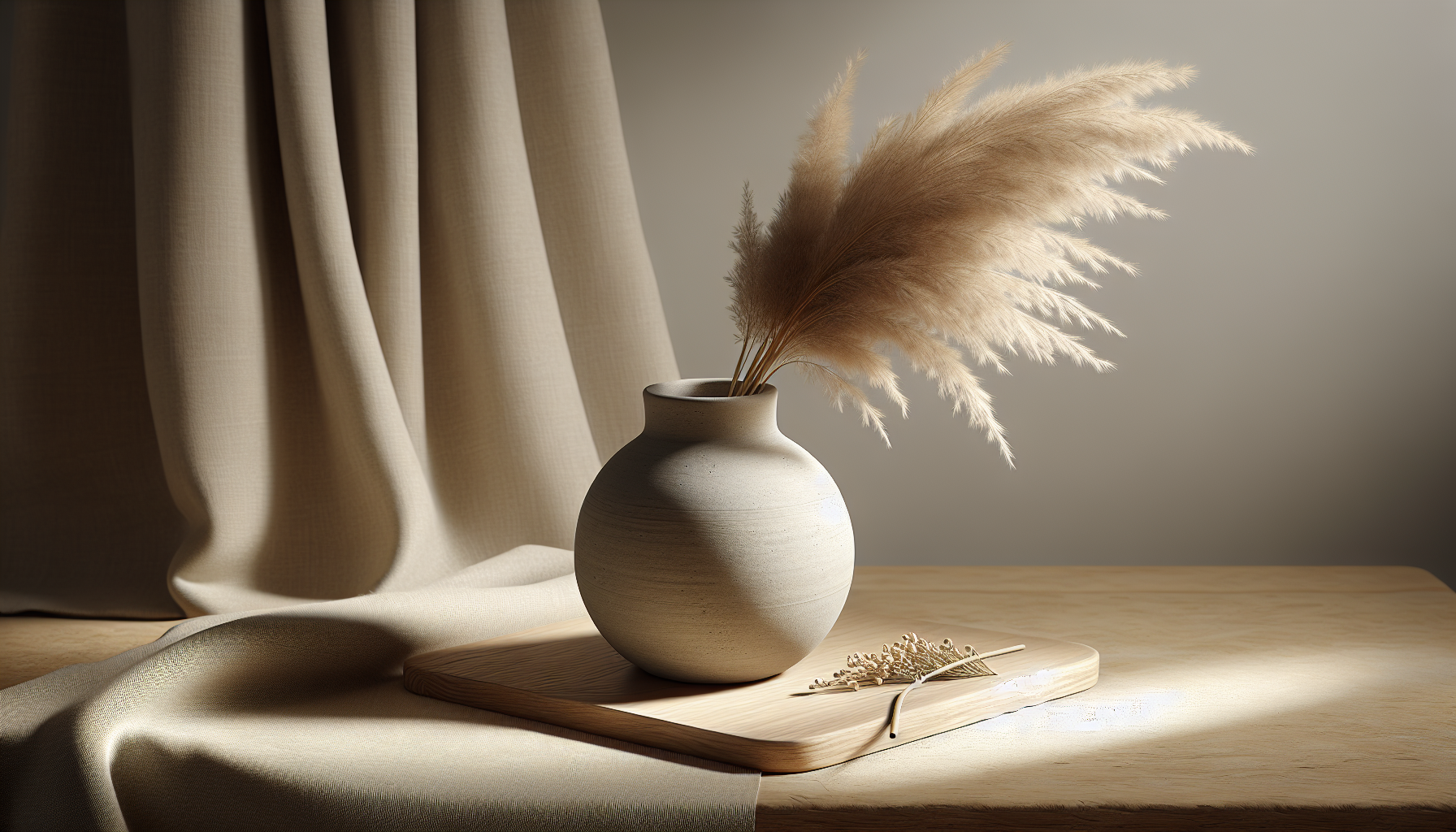
Have you ever walked into a room and felt an immediate sense of calm without being able to name why?
How people emotionally respond to Japandi interiors while cultivating a sense of balance
Japandi blends Japanese restraint with Scandinavian warmth, creating interiors that often feel both serene and welcoming. You’ll learn how those visual and tactile choices influence emotion and how you can use the same principles to cultivate balance in your own space.
What Japandi means for you
Japandi is not just a style; it’s a design philosophy that encourages intentional living and emotional clarity. When you adopt Japandi, you accept a curated set of objects, natural materials, and functional forms that support calm, focus, and a lived-in warmth.
Origins and cultural fusion
Japandi emerges from a cultural conversation between Japanese wabi-sabi and Scandinavian hygge/minimalism. You’ll notice the combination of Japanese appreciation for imperfection and Scandinavian love for light, comfort, and practicality.
Core principles at a glance
You respond emotionally to Japandi because it intentionally balances opposites: minimalism with comfort, functionality with artistry, quiet with warmth. These principles guide every design decision and shape how a space feels to you.
Key visual and material elements
Understanding the building blocks of Japandi helps you predict its emotional effects. Here are the recurring visual cues and materials that shape your experience.
Visual cues and what they signal emotionally
You’ll see clean lines, uncluttered surfaces, and a restrained palette. Those visual cues signal order and reduce decision fatigue, which can lower stress and boost feelings of control.
Materials and textures that affect mood
Natural woods, matte ceramics, linen, and soft wool are staples. These materials provide a sensory richness that prevents the space from feeling cold; they encourage touch and offer subtle complexity that feels reassuring.
Color palette and its emotional impact
Neutral bases (beige, soft gray, warm white) with muted accents (sage, clay, indigo) keep the scene calm. You respond to these tones with a reduced physiological arousal compared with bright, saturated colors; the result is easier relaxation and clearer thinking.
How Japandi influences immediate emotional reactions
Your first reaction to a Japandi room often happens within seconds. Visual order, gentle contrasts, and a lack of visual noise shape that initial sense of wellbeing.
First impressions: calm, clarity, and warmth
When you enter a well-composed Japandi room, you tend to feel calm and oriented. The absence of clutter and the presence of natural textures produce an immediate sense of clarity and comfort.
Sensory priming and expectations
Subtle scents, soft textile textures, and natural light prepare your brain to relax and engage. Those sensory inputs prime you to expect a safe, restorative environment, which can influence mood and behavior for the rest of the day.
Longer-term emotional effects of living in Japandi interiors
Over weeks and months, the emotional effects deepen. Your daily routines, stress levels, and creative energy can shift as the design supports consistent habits.
Reduced stress and mental clutter
By minimizing unnecessary stimuli, Japandi reduces cognitive load. You’ll likely find decision-making easier and mental clutter reduced, since the environment doesn’t constantly demand attention.
Increased sense of sanctuary and restoration
A consistent, calm environment supports emotional regulation. You’ll associate particular rooms with rest or focus, making it easier to shift into those modes when you enter those spaces.
Boosted productivity and creativity
The clarity and peacefulness of a Japandi room can enhance concentration and creative thinking. You’re less distracted by competing visual demands, so your mind has more resources to allocate to problem-solving or making.
How balance is intentionally cultivated in Japandi interiors
Balance is the central emotional currency of Japandi. The style orchestrates balance across space, materials, color, and function so you feel steady rather than overstimulated or undernourished.
Spatial balance: proportion and negative space
You’ll notice generous negative space: breathing room around furniture and objects. That spatial balance gives you visual rest, and proportion helps objects feel purposeful rather than accidental.
Material balance: warm and restrained
You’ll find warm woods paired with muted fabrics or matte black metal. The juxtaposition of warmth and restraint prevents the space from feeling cold while avoiding cluttered ornamentation.
Functional balance: beauty with purpose
Every object usually has a reason. Combining aesthetics with functionality creates emotional ease because you won’t be surrounded by purely decorative items that require upkeep or attention.
Design elements that most influence emotion
Certain elements have a disproportionate effect on how you feel. Focus on them when you want to shape mood intentionally.
| Design element | Emotional effect | How to use it |
|---|---|---|
| Natural light | Uplifts mood; improves circadian rhythm | Maximize window exposures; choose light curtains |
| Natural materials (wood, clay, linen) | Grounding, sensory comfort | Introduce in furniture, accents, textiles |
| Neutral color base | Soothes and reduces visual stress | Use soft whites, beige, light gray |
| Warm accents (wood tones, muted hues) | Adds familiarity and coziness | Add via furniture, rugs, small decor |
| Textural layering | Prevents sterility; invites touch | Mix smooth and tactile surfaces |
| Decluttered surfaces | Lowers cognitive load | Keep flat surfaces sparse and intentional |
Light and daylighting
Light is one of the most impactful emotional triggers in Japandi. You’ll feel more awake and present in well-lit spaces and more relaxed with carefully positioned, softer evening light.
Texture and touch
Textiles and finishes matter because you interact with them physically. Soft linens, worn wood, and handcrafted ceramics invite touch and create emotional warmth that flat, hard surfaces do not.
Scale and proportion
Furniture that fits the human body and the room’s proportions will make you feel comfortable. Oversized or undersized pieces can create feelings of imbalance or unease.
Practical steps to create a Japandi emotional atmosphere in your home
You can apply Japandi principles without a full renovation. Small, deliberate changes produce meaningful emotional shifts.
Start with a declutter ritual
Begin by removing items that are purely decorative or that don’t serve your daily life. The act of decluttering resets your visual field and reduces decision fatigue.
Curate instead of decorate
Choose fewer, better things with intention. A single handcrafted bowl, one thoughtfully selected piece of art, or a purposeful storage item feels more meaningful than many anonymous accessories.
Layer materials and textures
Combine hard and soft surfaces: a wooden table with a linen runner, a wool rug with ceramic planters. This contrast prevents sterility and invites comfort.
Emphasize natural light
Replace heavy drapes with light-filtering linen panels or install blinds that allow you to control privacy without blocking daylight. You’ll notice a quick emotional uplift.
Maintain seasonal rhythm
Rotate textiles and accents seasonally to keep your space responsive to your body’s needs. You might choose lighter linens in summer and wool throws in winter to match your sensory comfort.
Room-by-room guidance: making Japandi work for everyday life
Here’s how to apply Japandi in the most emotional hotspots of your home. Each room has different functions and thus different emotional priorities.
Entryway: setting the emotional tone
The entryway signals to you and your guests what the home will feel like. Keep it tidy, functional, and welcoming with a purposeful bench, a simple mirror, and a small natural-fiber mat.
- Place a simple tray or basket for keys to reduce clutter.
- Use a warm wood bench and a single, framed piece of art to set a calm tone.
Living room: balance comfort and restraint
Your living room should feel restful and hospitable. Choose a low-profile sofa in a neutral color, a wooden coffee table, and a textured rug to invite touch and lingering.
- Limit cushions and accessories to a few curated items.
- Incorporate a living plant for life and biophilic benefit.
Bedroom: a sanctuary for rest
The bedroom’s emotional priority is deep rest. Use soft linens, muted tones, and minimal furniture to create a cocoon-like effect.
- Keep electronics away from sight to reduce cognitive stimulation.
- Opt for natural fiber bedding and a blackout layer for improved sleep.
Kitchen: functional beauty
Your kitchen should be efficient and uncluttered while staying warm and tactile. You’ll benefit emotionally from open, organized surfaces and a few quality tools on display.
- Keep countertops clear except for frequently used items.
- Use wooden utensils and ceramic storage to add warmth.
Bathroom: restorative rituals
In the bathroom, small rituals can feel luxurious. Soft towels, simple containers, and subtle plant life can transform daily routines into calming rituals.
- Use stone or ceramic containers rather than plastic.
- Choose warm lighting for evening routines.
Choosing furniture, finishes, and textiles for emotional resonance
Your material choices have both pragmatic and emotional effects. Prioritize tactile quality and longevity.
Selecting furniture: function first, then form
You’ll want furniture that supports your daily activities while presenting a calm silhouette. Opt for pieces with clean lines, low profiles, and durable natural materials.
- Choose furniture that’s comfortable to use over time.
- Consider second-hand or artisanal pieces to add history and patina.
Finishes and patina
Finishes that age gracefully create emotional continuity. You’ll feel more connected to objects that show a gentle wear, which adds warmth and narrative to the space.
- Prefer oil-finished or lightly sealed wood that develops character.
- Avoid overly glossy surfaces that can feel artificial.
Textile layering for sensory complexity
Layering textiles adds depth. You’ll get a tactile experience from linen sheers, a wool rug, and cotton throws that invites lingering and touch.
- Keep color palette unified when layering to maintain calm.
- Mix textures—smooth ceramic, nubby wool, soft linen—to engage the senses.
Lighting and sensory design for emotional wellbeing
Lighting and other sensory inputs create the conditions for emotional states. You’ll want to design for daylight, task lighting, and softer ambient light.
Natural light strategies
Let daylight be the dominant source whenever possible. It regulates circadian rhythms and improves mood.
- Use window treatments that filter light while preserving privacy.
- Arrange seating to take advantage of morning or afternoon sun, depending on your routine.
Artificial lighting: layers and mood
Layer lighting with overhead, task, and accent sources. Dimmable fixtures give you control over ambiance.
- Choose warm color temperatures in living and sleeping areas.
- Use directional task lighting for reading or work areas.
Scent and soundscaping
Scent and sound are subtle but powerful emotional cues. You can use mild natural scents and soft ambient sounds to support relaxation.
- Try mild scents like cedar, white sage, or an unscented soy candle for ritual.
- Introduce a quiet sound source—soft music, a small fountain, or a white-noise machine—to mask intrusive noises.
Living with Japandi: habits to maintain emotional balance
The design alone won’t keep your life balanced unless you adopt supportive habits. Your routines will sustain the emotional benefits of the space.
Regular micro-decluttering
Short daily decluttering sessions keep surfaces intentional and reduce background stress. Spend five to ten minutes each evening returning items to their place.
Rituals that reinforce calm
Create small rituals—tea in a favorite cup, an evening stretch on a floor mat, or lighting a candle—that use the room’s qualities to reinforce restful states.
Maintenance and care
Caring for natural materials helps them age attractively. Your attention to care becomes another form of intentional living.
- Oil wood surfaces seasonally to maintain luster.
- Wash and rotate textiles to keep them fresh and inviting.
Potential pitfalls and how to avoid them
Japandi can be incredibly calming, but it has pitfalls if applied without thought. You’ll want to avoid a sterile, impersonal environment or accidental cultural superficiality.
Pitfall: sterile minimalism
If you remove too much, the space can feel cold and unwelcoming. Keep tactile elements and a few meaningful items to maintain warmth.
Solution: Add handcrafted objects, organic textures, and a few personal items that have emotional resonance.
Pitfall: inconsistent scale
Mixing overly large or tiny pieces can disrupt the balance. Your eye senses proportion; mismatched scales create unease.
Solution: Measure and mock up spaces to ensure furniture relates well to room size.
Pitfall: superficial appropriation
Japandi borrows from distinct traditions. Applying elements superficially risks cultural flattening and aesthetic confusion.
Solution: Learn the cultural values behind elements—wabi-sabi’s acceptance of imperfection, Scandinavian cozy practicality—and apply them respectfully and thoughtfully.
Case studies: imagined emotional responses in three homes
These short scenarios show how different people respond emotionally to Japandi choices in real life.
Case 1: A compact apartment for reduced stress
You live in a small city apartment and replace busy decor with a low-profile sofa, a light wood coffee table, and a wool rug. Within days you notice reduced visual stress; your evening routine becomes more restful as surfaces stay clear and you choose objects intentionally.
Case 2: A family living room with functional warmth
You have a family and balance kid-friendly storage with tactile materials—linen slipcovers, a durable wooden table, and woven baskets. The room supports active living while still providing calm: you feel less frazzled because storage is integrated and textures absorb noise.
Case 3: A home office for focus and creativity
You redesign a home office with a simple desk, a sculptural wooden chair, and a pottery lamp. The restrained environment helps your concentration, and the tactile materials make work feel less clinical and more pleasurable, enhancing creative flow.
Measuring and tracking emotional responses
You can get concrete feedback on how your space affects you by using simple methods. Tracking enables small, iterative improvements.
Subjective journaling
Keep a brief daily log of your mood and energy after spending time in specific rooms. Note what elements felt supportive or draining.
Quantitative checks
Rate your stress, focus, and restfulness on a simple 1–10 scale before and after changes. Over weeks you’ll see trends that guide further adjustments.
Guest feedback
Ask friends or family how the space feels to them—sometimes an outside perspective reveals habits or blind spots you miss.
| Method | What it reveals | How to use it |
|---|---|---|
| Journaling | Personal mood trends | Write 2–3 lines daily about room experience |
| Rating scales | Quantified changes | Use weekly 1–10 ratings for stress and focus |
| Guest feedback | Social/emotional reception | Ask open questions about comfort and warmth |
Final considerations before you begin
Before you commit to changes, reflect on your priorities. Ask yourself what emotions you want to support—calm, creativity, conviviality—and tailor design choices accordingly. Remember that balance in Japandi is dynamic: it’s as much about your habits and rituals as it is about furniture and color.
Practical checklist to get started
- Declutter surfaces and keep daily-use items accessible.
- Choose a neutral color base and introduce one or two muted accent colors.
- Prioritize natural materials and textured textiles.
- Maximize daylight and add layered lighting.
- Keep a small number of handcrafted, meaningful objects.
Conclusion: how Japandi can shape your emotional life
By combining Japanese restraint and Scandinavian warmth, Japandi creates spaces that support calm, clarity, and balanced living. When you use the principles intentionally—curation, natural materials, balanced lighting, and functional beauty—you shape not only a room but your emotional rhythms. The design invites you to live more thoughtfully, to value meaningful objects, and to create a reliable sanctuary that responds to daily needs.
If you try one change, let it be reducing surface clutter and adding a tactile natural object—a wooden bowl or linen throw—to see how quickly the emotional tone of your space shifts. Your home can become a steadying influence, designed to help you feel more balanced every day.