
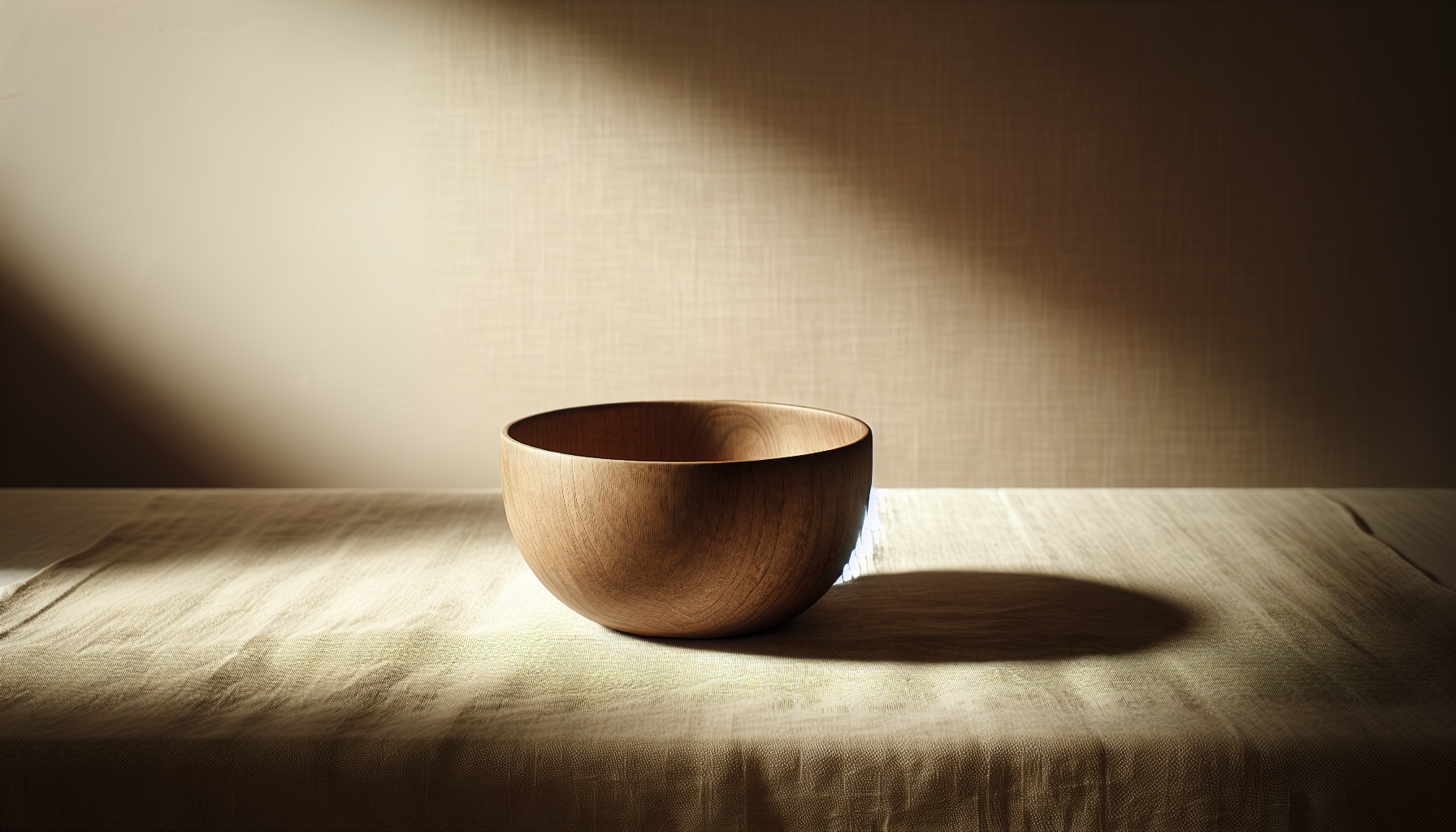
Have you ever noticed how a room can make you feel instantly calmer or quietly energized without you fully understanding why?
How people emotionally respond to Japandi interiors and the role of simplicity in wellbeing
This article explains how Japandi interiors affect your emotions and how simplicity supports your wellbeing. You’ll find clear descriptions, practical tips, and actionable steps so you can apply principles to your own home.
What is Japandi?
Japandi is a hybrid design style that blends Japanese minimalism with Scandinavian warmth. You’ll see clean lines, functional furniture, and a restrained palette that together create a calm, purposeful environment.
Origins and philosophy
The style combines Japanese concepts such as wabi-sabi (beauty in imperfection) with Scandinavian values like hygge (comfort and coziness). You’ll find that the philosophy aims to balance simplicity and utility with humane comfort.
Core principles
Japandi centers on restraint, functionality, natural materials, and a connection to nature. You’ll notice empty space is treated as intentionally as objects, which helps the eye and mind rest.
Visual elements at a glance
Japandi favors muted, earthy colors, simple furniture forms, and textured natural textiles. You’ll experience a palette that’s calming rather than stimulating, with emphasis on proportion and light.
How Japandi design triggers emotional responses
Understanding how design affects emotion helps you use space to support your mental state. This section describes common emotional responses you’ll likely notice in Japandi interiors.
Calmness and stress reduction
The controlled palette, uncluttered surfaces, and natural materials reduce visual noise and sensory overload. You’ll find it easier to breathe deeply and feel settled in such spaces.
Clarity and mental focus
Fewer decorative competing elements means fewer distractions for your brain. You’ll probably find that tasks like reading, crafting, or thinking feel clearer and more manageable.
Comfort and gentle coziness
Scandinavian influences add warmth—soft textiles, layered lighting, and comfortable seating. You’ll feel a sense of safe containment without the heaviness of excessive ornament.
Connection to nature (biophilia)
Natural wood, stone, plants, and organic textures invite a sense of being connected to the outdoors. You’ll often experience lowered anxiety and improved mood from this subtle relationship with nature.
Perceived order and control
The intentional layout and purposeful storage create a sense of order that supports emotional security. You’ll feel more in control of your environment when everything has a place.
Appreciation of imperfection
Wabi-sabi encourages you to accept slight irregularity and aged patina as beautiful. You’ll find relief from the pressure to make everything perfect and instead value authenticity.
Quick reference: Design elements and their emotional effects
The table below helps you link core Japandi elements to the feelings they commonly evoke.
| Design element | Typical emotional effect | Why it works |
|---|---|---|
| Muted earthy palette | Calm, grounded | Low visual stimulation keeps cortisol lower |
| Natural wood and stone | Warmth, safety | Biophilic cues trigger relaxation pathways |
| Clean lines and negative space | Clarity, focus | Fewer visual stimuli reduces cognitive load |
| Textured textiles (linen, wool) | Comfort, tactile pleasure | Soft surfaces invite touch and relaxation |
| Layered warm lighting | Coziness, ease | Mimics natural light transitions and soothes |
| Minimal ornamentation | Reduced anxiety | Less clutter lowers stress signals |
| Functional, handcrafted furniture | Satisfaction, longevity | Connection to craft supports meaning |
The role of simplicity in wellbeing
Simplicity isn’t just aesthetic; it plays a measurable role in your psychological and physiological health. This section explains mechanisms through which simplicity supports wellbeing.
Reducing cognitive load
When your visual field is less crowded, your working memory is freed for important tasks. You’ll notice it’s easier to concentrate and make decisions in a simplified room.
Lowering decision fatigue
Fewer choices about how spaces look and function means you spend less mental energy on trivial decisions. You’ll have more mental energy for meaningful activities.
Improving sleep and rest
Simple bedrooms with muted tones and few electronics create better conditions for sleep. You’ll be more able to relax when the room signals rest through low stimulation.
Enhancing creativity and problem solving
A clean slate can stimulate imagination because your mind isn’t constantly processing background clutter. You’ll find creative projects feel more attainable when your environment is uncluttered.
Supporting emotional regulation
Orderly spaces provide predictable cues that can help regulate mood and reduce anxiety. You’ll feel steadier when your surroundings are consistent and intentional.
Practical Japandi strategies to create simplicity
Creating a Japandi interior is about method, not just copying images. These practical strategies help you build a space that supports emotional wellbeing.
Decluttering with purpose
Don’t aim to remove everything; prioritize meaningful items and functional pieces. You’ll make better choices when you ask whether an item serves a purpose or brings you calm.
Tips:
- Keep surfaces clear enough to highlight a few well-loved objects.
- Use a “one-in, one-out” rule to prevent re-accumulation.
Prioritize storage and zoning
Good storage keeps items out of sight but accessible, which supports calm and order. You’ll feel more relaxed when your space has specific zones for activities like relaxing, working, and eating.
Tips:
- Use closed cabinetry for visually busy items.
- Define zones with rugs, lighting, or furniture placement.
Limit and coordinate your palette
Stick to a small range of complementary muted colors and natural tones. You’ll achieve a cohesive environment that feels intentionally restful.
Tips:
- Choose one dominant neutral, one secondary neutral, and one accent material.
- Use texture to provide depth instead of bright color.
Choose multifunctional, well-crafted furniture
Select pieces that are functional, comfortable, and made to last. You’ll save mental energy when furniture performs multiple roles without visual clutter.
Tips:
- Opt for low-profile sofas and simple wood tables.
- Prefer handcrafted or locally made items for authenticity.
Emphasize texture and tactility
Layering natural fabrics and woven surfaces adds warmth without clutter. You’ll enjoy spaces more when they invite touch and sensory comfort.
Tips:
- Combine linen curtains, wool throws, and jute rugs thoughtfully.
- Include a mix of matte and slight sheen finishes to reflect light gently.
Make negative space intentional
Leave breathing room around furnishings to allow the eye to rest. You’ll perceive the room as larger and more peaceful when objects have space.
Tips:
- Avoid pressing every wall or corner with furniture.
- Use floating shelves sparingly to maintain openness.
Use lighting to shape mood
Layer ambient, task, and accent lighting to create flexible moods throughout the day. You’ll find mornings and evenings feel different and more supportive of routines.
Tips:
- Use dimmers and warm bulbs for evening relaxation.
- Place lamps near reading chairs and tables for focused tasks.
Include living elements
Integrate plants in modest groupings to bring life and air quality improvements. You’ll experience reduced stress and greater satisfaction when nature figures into your space.
Tips:
- Choose low-maintenance plants like snake plant, pothos, or ficus.
- Group plants of differing heights to create natural compositions.
Room-by-room: Applying Japandi for wellbeing
Design choices vary by room because your activities and needs change per space. Here are focused suggestions you can apply room-by-room.
Living room
Your living room should encourage social connection and rest without visual overwhelm. You’ll benefit from a few comfortable seating options, an uncluttered media area, and a calming focal point such as a wooden table or plant.
Practical steps:
- Anchor the seating with a neutral rug.
- Keep decorative items to a few curated pieces.
Bedroom
The bedroom is for restoration; simplicity is essential. You’ll sleep better when textiles are natural, colors are muted, and surfaces are free of work objects and screens.
Practical steps:
- Use blackout curtains and warm bedside lighting.
- Reserve the bed for sleep and intimate conversation only.
Kitchen and dining
In the kitchen, functionality and accessible storage reduce stress during meal prep. You’ll feel more satisfied when counters are clear and dining spaces invite slow, mindful eating.
Practical steps:
- Hide small appliances in cabinets when not in use.
- Use simple dishware and natural materials for serving.
Bathroom
A spa-like bathroom supports calm routines and self-care. You’ll get more restorative bathing experiences when you simplify décor and focus on tactile elements like plush towels and wooden accessories.
Practical steps:
- Keep toiletries stored in baskets or drawers.
- Introduce a wooden stool or small plant for warmth.
Home office
An uncluttered, intentionally arranged workspace fosters productivity and reduces anxiety. You’ll do better work when your desk holds only essential items and storage is nearby.
Practical steps:
- Use a simple desk, ergonomic chair, and single monitor setup.
- Implement cable management to reduce visual clutter.
Entryway
The entry sets the tone for your home; keep it calm and functional. You’ll feel grounded when the entry includes a place for keys, shoes, and a clear surface to drop essentials.
Practical steps:
- Use a bench with hidden storage.
- Keep a single statement piece like a soft rug or framed art.
Materials, colors, and furniture choices and their emotional effects
What you choose materially matters for mood, longevity, and sensory comfort. You’ll want to match selections to the feelings you want to encourage.
Materials and feelings
- Wood (light oak, ash): warmth, safety.
- Stone (matte finishes): grounding, permanence.
- Linen and cotton: breathability, relaxed elegance.
- Wool and felt: tactile comfort and insulation.
- Metal (matte black or brass): precision and refined contrast.
You’ll benefit from mixing materials to create balanced sensory experiences without clutter.
Color and emotion table
This table links common Japandi hues with emotional outcomes to help you plan palettes.
| Color family | Emotional tone | Use case |
|---|---|---|
| Warm neutrals (beige, soft tan) | Stability, ease | Walls, large furniture |
| Muted greens | Renewal, calm | Accents, plants, textiles |
| Soft grays | Clarity, neutrality | Floors, upholstery |
| Deep earthy browns | Grounding, depth | Accents, furniture |
| Dusty blues | Quietude, cool calm | Bedrooms, bathrooms |
You’ll create a soothing environment by leaning toward warm neutrals and using color sparingly.
Lighting and multisensory design
Light, sound, smell, and texture work together to shape your emotional experience. You’ll want to design for all senses, not only sight.
Light design tips
- Use layered lighting: ambient for general mood, task for activities, accent for focal points.
- Choose warm temperature bulbs for relaxation and cooler light for focused work.
- Install dimmers wherever you want flexible mood control.
You’ll notice how changing light quality alters your perception of the same room through the day.
Acoustic considerations
Soft textiles, rugs, and upholstery reduce echo and create an intimate atmosphere. You’ll feel calmer in spaces where sound is managed, especially in high ceilings or open-plan homes.
Tips:
- Add rugs and curtains to absorb sound.
- Use bookshelves or fabric panels to break up reflective surfaces.
Scent and air quality
Mild natural scents—wood, linen, herbs—can calm and refresh without overwhelming. You’ll support wellbeing by maintaining good ventilation and avoiding synthetic overpowering fragrances.
Tips:
- Use essential oils or simmer pots with citrus, cedar, or eucalyptus sparingly.
- Keep humidity balanced to support comfort and plant health.
Habit, maintenance, and sustainability
Simplicity is sustainable only when it fits your lifestyle and routines. You’ll want systems that help you maintain order without constant effort.
Daily and weekly habits
Small daily rituals maintain calm environments: making the bed, clearing counters, and returning items to their place. You’ll find these short habits compound into a consistently restful home.
Weekly habits:
- Reset flat surfaces once a week.
- Assess and remove one item that no longer serves you.
Buying and consumption habits
Be intentional about purchases: prefer quality, multipurpose items and avoid impulse buys. You’ll enjoy deeper satisfaction with fewer, better-made belongings.
Tips:
- Wait 30 days before purchasing nonessential decor.
- Favor repairable items and local makers.
Seasonal refresh with restraint
Rotate a small number of textiles or accessories to reflect seasons rather than large-scale redecorations. You’ll maintain novelty and comfort without creating clutter.
Tips:
- Swap throws or cushion covers to shift texture and temperature.
- Store off-season items in labeled containers.
Potential drawbacks and how to mitigate them
Japandi is not a universal solution; you’ll want to anticipate possible issues and adapt accordingly. This section lists common pitfalls and practical remedies.
Risk of feeling sterile or cold
If you remove too much, a space can start to feel impersonal. You’ll counter this by adding tactile elements, personal objects, and warm lighting to maintain human scale.
Accessibility and comfort
Minimalism can sometimes prioritize form over comfort or accessibility. You’ll ensure comfort by testing furniture ergonomics and including soft surfaces and adequate seating options.
Cost and sustainability concerns
High-quality natural materials can be more expensive upfront. You’ll manage budget by mixing higher-cost focal pieces with affordable basics and prioritizing durability to save money long-term.
Cultural sensitivity and authenticity
Blending cultural aesthetics requires respect for origins and meanings. You’ll avoid superficial appropriation by learning the concepts behind the design elements and supporting artisans when possible.
Short scenarios showing emotional change
Reading a few realistic vignettes helps you imagine how Japandi can alter emotional states. Each scenario shows a likely outcome when principles are applied.
Scenario 1: The overwhelmed professional
You transform a cluttered home office: remove excess décor, choose a wooden desk, and add layered lighting. You’ll feel less scattered and more productive, with fewer interruptions to your thought process.
Scenario 2: The restless sleeper
You simplify your bedroom: switch to linen sheets, mute wall colors, and hide work devices. You’ll likely fall asleep easier and wake feeling more rested and emotionally balanced.
Scenario 3: The social host
You adopt a simplified living room layout and focus on comfort with a large low table and soft lighting. You’ll find conversations flow more naturally and guests stay longer because the mood supports connection.
Checklist: Creating a Japandi space for wellbeing
Use this checklist to guide decisions and evaluate progress as you implement Japandi principles. You’ll find it helpful for planning and maintenance.
| Action | Why it matters | Done |
|---|---|---|
| Define function for each room | Prevents unnecessary items | [ ] |
| Choose a muted, limited palette | Reduces visual noise | [ ] |
| Prioritize natural materials | Supports biophilia | [ ] |
| Add layered, warm lighting | Shapes daily mood | [ ] |
| Implement closed storage | Keeps surfaces calm | [ ] |
| Introduce tactile textiles | Adds comfort without clutter | [ ] |
| Place 1–3 plants strategically | Improves air and mood | [ ] |
| Use multifunctional furniture | Maximizes utility | [ ] |
| Create daily reset rituals | Maintains order easily | [ ] |
| Buy intentionally and sustainably | Ensures longevity | [ ] |
You’ll benefit by checking items off gradually and adapting to your personal needs.
Measuring emotional impact
To know whether Japandi choices are improving your wellbeing, you’ll want simple ways to measure change. Use subjective and objective checks over several weeks.
Subjective measures
- Daily mood journal: note stress levels before and after changes.
- Sleep quality: track sleep duration and morning restfulness.
- Focus and productivity: rate concentration during work periods.
You’ll detect trends once you collect a few weeks of notes.
Objective measures
- Time spent decluttering or reorganizing per week.
- Frequency of device use in rest areas.
- Number of social interactions at home.
You’ll see measurable differences in habits that reflect emotional shifts.
Final thoughts and practical next steps
Japandi offers a design approach that can help you feel calmer, more focused, and more connected to your home environment. You’ll gain the most benefit when you personalize principles to your daily life and maintain them through small, consistent habits.
Practical next steps:
- Start with one room: declutter, choose a simple palette, and add one natural material.
- Establish a 10-minute nightly reset habit.
- Evaluate mood and sleep after three weeks and adjust as needed.
You’ll find that embracing the simplicity and warmth of Japandi can be a gentle, sustainable route to improving your wellbeing and the way you live in your home.