
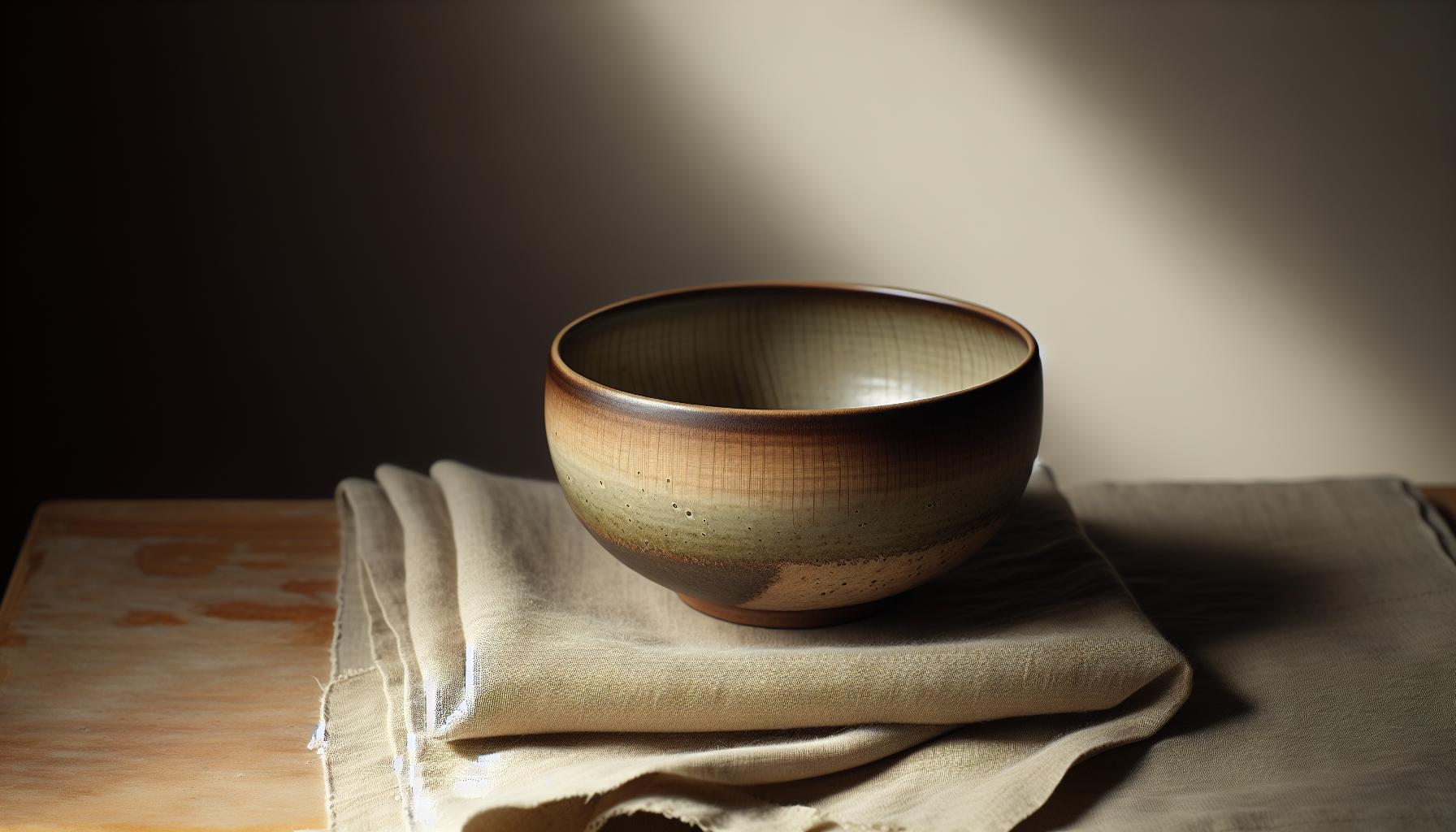
Have you ever wondered how two very different design traditions can combine to create a home that feels calm, balanced, and genuinely lived-in?
Japandi Design and the Art of Harmony
Japandi design is a hybrid interior aesthetic that blends Japanese minimalism with Scandinavian warmth and functionality. You will find that it focuses on reducing visual noise while elevating comfort, craftsmanship, and natural beauty. This article explains how Japandi embodies harmony and gives you practical steps to bring it into your home.
What is Japandi?
Japandi is a hybrid design movement that fuses the restrained elegance of Japanese interiors with the soft minimalism of Scandinavian design. You will recognize it by its clean lines, muted color palettes, and emphasis on natural materials and craftsmanship. It is not a strict set of rules but a philosophy of balance between simplicity and coziness.
Origins and history
The two parent traditions—Japanese design and Scandinavian design—each developed responses to climate, culture, and cultural values. Japanese interiors emphasize calm, ritual, and inward reflection; Scandinavian design arose from a desire for light, functionality, and social comfort in long winters. Japandi began to appear in the 2010s as global tastes shifted toward minimal, intentional living. You will see it growing in popularity because it answers modern needs for sustainability, timelessness, and tranquility.
Core philosophy
At its heart, Japandi is about harmony—between form and function, between tradition and modernity, and between minimalism and warmth. You will notice the values of restraint, respect for materials, and appreciation for imperfection. The result is an aesthetic that feels curated but not fussy, and comfortable without being cluttered.
Key Principles of Japandi Design
Understanding the guiding principles makes it easier for you to interpret Japandi for your personal space. Each principle supports the goal of balance and thoughtful living.
Minimalism and functionality
Japandi favors spaces that are intentional and uncluttered. Function drives form: furniture is chosen for its utility and beauty. You will learn to remove excess items and keep what has purpose or meaning.
Wabi-sabi and acceptance of imperfection
Japanese wabi-sabi values imperfection, natural aging, and modest elegance. In Japandi, you will welcome subtle irregularities in materials and finishes, seeing them as character rather than flaws.
Hygge and comfort
From the Scandinavian side comes hygge—the art of coziness and contentment. You will incorporate soft textiles, layered lighting, and comfortable seating to keep spaces inviting even as they remain simple.
Natural materials and textures
Wood, stone, paper, linen, and wool are central. You will choose materials for their tactile and visual warmth. Natural patinas and grain patterns become part of the décor.
Craftsmanship and quality
Durability and attention to detail matter. Japandi favors pieces made by skilled artisans or produced with ethical, considered methods. You will invest in quality over quantity.
Neutral color palette with contrast
Japandi typically uses a muted, nature-inspired palette—soft beiges, warm greys, muted greens, and charcoal accents. You will balance these neutrals with occasional darker contrasts to add depth without overwhelming the calm.
Visual Elements of Japandi
Knowing the visual building blocks helps you translate principles into practical choices. Each element contributes to a cohesive and harmonious whole.
Color
Colors are understated and inspired by nature: sand, stone, charcoal, moss, and sea-glass hues. You will use a base palette of neutrals and introduce deeper tones sparingly to define focal points and create balance.
Textures
Texture provides sensory richness without visual clutter. You will layer tactile materials—raw wood grain, woven wool rugs, matte ceramics, and paper lamps—to create warmth and interest while preserving simplicity.
Furniture
Furniture leans toward low profiles, clean silhouettes, and natural finishes. You will prefer pieces with subtle craftsmanship details—joinery, exposed wood grain, and tapered legs—rather than overt ornamentation.
Lighting
Soft, diffuse light is preferred. You will combine natural light with warm artificial sources—paper lanterns, pendant lamps, and task lighting—to create different moods and to highlight textures.
Layout and negative space
Negative space is a deliberate design choice, not emptiness. You will arrange furniture to allow circulation and quiet corners. This breathing room is essential for balance and allows each element to be appreciated.
Plants and natural elements
Houseplants and natural objects—stones, bonsai, or a simple branch in a vase—introduce life and seasonal variation. You will use them sparingly to maintain calm while inviting nature indoors.
Japanese vs Scandinavian Features (Quick Comparison)
A table helps you see where each tradition contributes to Japandi.
| Aspect | Japanese Influence | Scandinavian Influence | Japandi Synthesis |
|---|---|---|---|
| Philosophy | Wabi-sabi, restraint, ritual | Hygge, functionality, light | Balanced minimalism + warmth |
| Color | Muted, earthy, monochrome | Pale neutrals, soft pastels | Neutral base with warm accents |
| Furniture | Low, simple, artisanal | Functional, ergonomic, light wood | Clean lines, natural finishes |
| Materials | Bamboo, paper, dark woods | Pine, oak, wool, linen | Mix of dark and pale woods, textiles |
| Ornamentation | Minimal, symbolic | Minimal, tactile | Sparse, meaningful accents |
| Lighting | Soft, ambient | Bright, diffused natural light | Layered: natural + warm artificial |
How Japandi Embodies Harmony
Harmony in Japandi comes from the interplay of opposites: simplicity and comfort, dark and light finishes, refined craft and natural imperfection. Understanding these harmonies will help you create spaces that feel balanced rather than staged.
Balance of contrasts
You will balance light woods with darker accents, hard surfaces with soft textures, and sleek lines with organic forms. These contrasts are controlled and intentional, helping each element stand out while still belonging to a whole.
Proportions and scale
Harmony depends on proportion: furniture scale must match room size and other elements. You will choose low-profile sofas for living rooms to create a calm horizontal flow and pair them with taller vertical objects like narrow shelving or plants to maintain a sense of equilibrium.
Rhythm and repetition
Repeating materials, finishes, and motifs creates visual rhythm. You will use the same wood tone across several pieces, or repeat a textile pattern on cushions and throws, to provide cohesiveness.
Sensory harmony
Japandi thinks beyond the visual to include touch, smell, and sound. You will value the texture of a linen throw, the scent of a wooden countertop, and the hush of soft textiles, all of which contribute to a harmonious environment.
Practical Steps to Create Japandi Harmony in Your Home
Apply these practical steps room-by-room and in your general approach to achieve a cohesive Japandi interior.
Start with a clean slate
Reduce clutter and evaluate each item by function and meaning. You will keep pieces that are useful, well-made, or emotionally significant, and let go of the rest to reveal your space’s essential form.
Choose a cohesive palette
Select a neutral base and one or two deeper accent shades. You will avoid bright, saturated colors that disrupt calm, instead opting for muted greens, charcoal, or terracotta as accent tones.
Prioritize natural materials
Replace synthetic finishes with wood, stone, wool, linen, and clay where possible. You will find that natural materials age gracefully and add depth through their inherent textures.
Focus on craftsmanship
Look for furniture with honest construction and durable joinery. You will invest in pieces that can last for years and carry a story of making rather than mass-produced sameness.
Layer textures
Introduce texture through rugs, throws, cushions, and tactile objects. You will maintain a simple visual field while creating richness through touch.
Emphasize functional storage
Hidden storage keeps surfaces calm. You will use low cabinetry, baskets, and built-in niches to keep essential items accessible but out of sight.
Room-by-Room Guide: Applying Japandi Principles
Entryway
Your entryway sets the tone. Keep it uncluttered with a simple bench, a low console, and a place for shoes. You will use a natural-fiber rug to absorb dirt and add warmth, and perhaps a single piece of art or a plant to welcome without overwhelming.
Living room
The living room should feel calm and social. Choose a low sofa with clean lines, a wooden coffee table, and a textured rug. You will arrange seating to foster conversation and keep accessories minimal—one or two ceramics, a stack of books, and a plant are often enough.
Dining area
Dining pieces should prioritize craftsmanship and social comfort. You will pick a wooden table with simple joinery and comfortable chairs—mixing a bench and chairs adds an informal, human touch. Use pendant lighting over the table for focused, warm illumination.
Kitchen
Simplicity and utility reign in the kitchen. You will favor matte finishes, open shelving with carefully curated dishware, and natural stone or wood countertops. Keep countertops clear and store small appliances to maintain a quiet surface.
Bedroom
Create a restful retreat with low-profile bed frames, layered bedding in natural fabrics, and soft lighting. You will keep decorations minimal—perhaps a single piece of art or a low shelf with a small plant—and choose calming colors for walls and textiles.
Bathroom
Simplicity and tactile materials work well in bathrooms. You will favor stone or concrete sinks, plain mirrors, and wooden shelving. Keep toiletries organized in baskets or ceramic containers to preserve a serene environment.
Home office
A Japandi office emphasizes focus and comfort. You will pick an ergonomic desk with a clean silhouette, a comfortable chair, and minimal desk clutter. Natural light and a plant will sustain mental clarity and mood.
Furniture and Object Selection
The right furniture and objects are essential to achieving a balanced Japandi interior. Below is a table to guide your choices.
| Furniture/Object | Japanese Characteristics | Scandinavian Characteristics | Japandi Choice |
|---|---|---|---|
| Sofa | Low, minimal silhouette, firm cushion | Soft, comfortable, light wood legs | Low, comfortable, neutral fabric, wooden legs |
| Coffee table | Low, dark wood, simple form | Light wood, functional | Mid-height or low, mixed wood tones |
| Dining table | Craftsmanship focus, darker woods | Light oak, simple legs | Solid wooden table with clean lines |
| Shelving | Open, sparse, vertical | Practical, airy | Open shelving with curated items |
| Lighting | Paper or soft diffused | Warm, functional | Layered lighting: paper + warm bulbs |
| Rugs | Natural fibers, subtle patterns | Cozy wool, simple patterns | Neutral, texture-focused rugs |
Textiles and Soft Furnishings
Textiles create warmth and comfort in Japandi without breaking the minimalist ethos.
Materials to choose
Linen, wool, cotton, and hemp are preferred for bedding, curtains, and upholstery. You will select textiles that feel natural and age well.
Patterns and scale
Keep patterns subtle and small scale. You will favor muted geometric or organic motifs rather than loud, high-contrast prints.
Placement
Use textiles to define zones—a rug under a coffee table to anchor seating, or layered throws on a bench to create a cozy entry nook. You will avoid over-layering that leads to visual clutter.
Lighting Strategies
Lighting is crucial to mood and function. Japandi lighting is soft, layered, and functional.
Maximize natural light
Let daylight in with light window treatments and reflective surfaces. You will arrange furniture to capture natural light while controlling glare.
Layer artificial light
Combine ambient, task, and accent lighting. You will use pendant lights over dining tables, floor lamps near reading chairs, and soft wall sconces to create depth.
Use warm color temperature
Choose bulbs with warm color temperatures (around 2700–3000K) to maintain a cozy atmosphere. You will avoid stark, clinical lighting that undermines harmony.
Plants and Biophilic Elements
Bringing nature inside is essential to Japandi’s sense of balance.
Plant choices
Select plants with simple forms: bonsai, ficus, snake plant, or few sculptural branches. You will avoid overplanting and instead highlight one or two statement plants.
Arrangement
Use ceramic or clay pots in neutral tones. You will group plants thoughtfully—one large plant can be more effective than many small ones scattered about.
Seasonal shifts
Embrace seasonal arrangements: a pine branch in winter, a single magnolia bloom in spring. You will allow the home to reflect natural cycles in a restrained way.
Sustainable and Ethical Considerations
Japandi aligns naturally with sustainable values: quality, longevity, and natural materials are prioritized over disposable trends.
Materials and sourcing
Look for FSC-certified wood, low-VOC finishes, and natural textiles. You will support local craftsmen and makers when possible.
Longevity and repair
Choose furniture you can repair or reupholster rather than replace. You will favor timeless pieces that age gracefully.
Second-hand and upcycling
Well-made second-hand furniture often fits Japandi perfectly. You will refurbish or repurpose pieces to reduce waste and add character.
Common Mistakes to Avoid
When pursuing Japandi, there are pitfalls that can undermine harmony. Being aware of them helps you maintain authenticity.
- Over-minimalization: Removing all personality makes spaces feel sterile. You will keep meaningful objects and tactile layers.
- Mismatched finishes: Too many competing wood tones create visual conflict. You will limit the palette of materials.
- Over-accessorizing: Small clusters of carefully chosen items are better than many small objects. You will curate, not clutter.
- Ignoring comfort: Prioritizing aesthetics over comfort reduces livability. You will ensure seating and bedding are welcoming.
Budget-Friendly Japandi Tips
You do not need a large budget to achieve Japandi balance. These strategies help you prioritize spending.
- Start with paint and lighting: A coat of neutral paint and warm bulbs transform mood affordably.
- Invest in a few key pieces: Buy one well-made sofa or table; fill the rest with thrifted or DIY finds.
- Refinish existing furniture: Sand and re-stain pieces to harmonize finishes rather than replacing them.
- Use textiles: New cushion covers, throws, and a rug can change a room’s tone at low cost.
Maintenance and Longevity
Maintaining your Japandi home preserves its harmony and extends the life of your investments.
Cleaning natural materials
Use appropriate cleaners for wood, stone, and textiles. You will treat materials gently and follow manufacturer guidelines to avoid damage.
Rejuvenation
Re-oil wood surfaces periodically and re-fluff cushions to keep furniture looking cared-for. You will address small repairs early to prevent larger issues.
Seasonal adjustment
Rotate textiles by season—lighter fabrics in summer, heavier in winter—to maintain comfort and change the atmosphere subtly.
Combining Japandi with Other Styles
Japandi can coexist with other styles when handled thoughtfully.
Transitional mixes
Combine Japandi with mid-century modern by selecting pieces with clean lines and similar wood tones. You will keep the overall palette unified.
Minimalist modern
Japandi and modern minimalism share many values; add a few natural textures to modern spaces to warm them up. You will avoid starkness by introducing wood and textiles.
Rustic or boho
Be selective: use rustic or boho items that share Japandi’s muted palette and natural materials. You will prevent visual chaos by limiting patterns and colors.
How to Curate a Japandi Object Collection
Collecting objects intentionally helps you build personality without clutter.
Choose meaningful items
Select objects that have a story, functional purpose, or genuine beauty. You will prefer a few well-chosen items over many decorative pieces.
Edit often
Periodically reassess what you own. You will store or donate items that no longer fit.
Display with restraint
Showcase objects on a low console, a single shelf, or a tabletop arrangement. You will leave breathing room around each piece so it can be appreciated.
Shopping Guide and Materials Checklist
A concise checklist helps you shop with purpose.
| Item Category | What to look for | Japandi notes |
|---|---|---|
| Sofa | Low profile, neutral fabric, wooden or metal legs | Comfort + clean lines |
| Dining table | Solid wood, simple joinery | Prefer oak or walnut |
| Rugs | Natural fibers, neutral tones | Jute, wool, flatweave |
| Lighting | Paper or fabric shades, warm bulbs | Layered lighting |
| Storage | Low cabinetry, hidden storage | Keep surfaces clear |
| Textiles | Linen, wool, cotton | Muted, textured |
| Accessories | Handcrafted ceramics, carved wood | One or two statement pieces |
| Plants | Sculptural, low-maintenance | Use large pots with neutral glaze |
Measuring Success: How to Know Your Space Feels Harmonious
You can judge harmony by how the space makes you feel and function.
- Emotional response: The room should calm and comfort you. You will notice a sense of ease when you enter.
- Practical functionality: The layout supports daily routines. You will move through the space without friction.
- Visual coherence: Materials, colors, and rhythms align. You will see repetition and balance without monotony.
Final Thoughts
Japandi design embodies harmony by balancing two complementary traditions—Japanese restraint and Scandinavian warmth—into spaces that are both functional and soulful. By focusing on natural materials, craftsmanship, neutral palettes, and careful editing, you will create an environment that supports calm living and mindful presence. The approach is adaptable: whether you live in a small apartment or a large house, you can apply Japandi principles to enhance balance, comfort, and timeless beauty in your home.
If you take away one thing, let it be this: harmony in Japandi is not about copying a look exactly, but about cultivating balance in how you choose, place, and care for the things that surround you.