
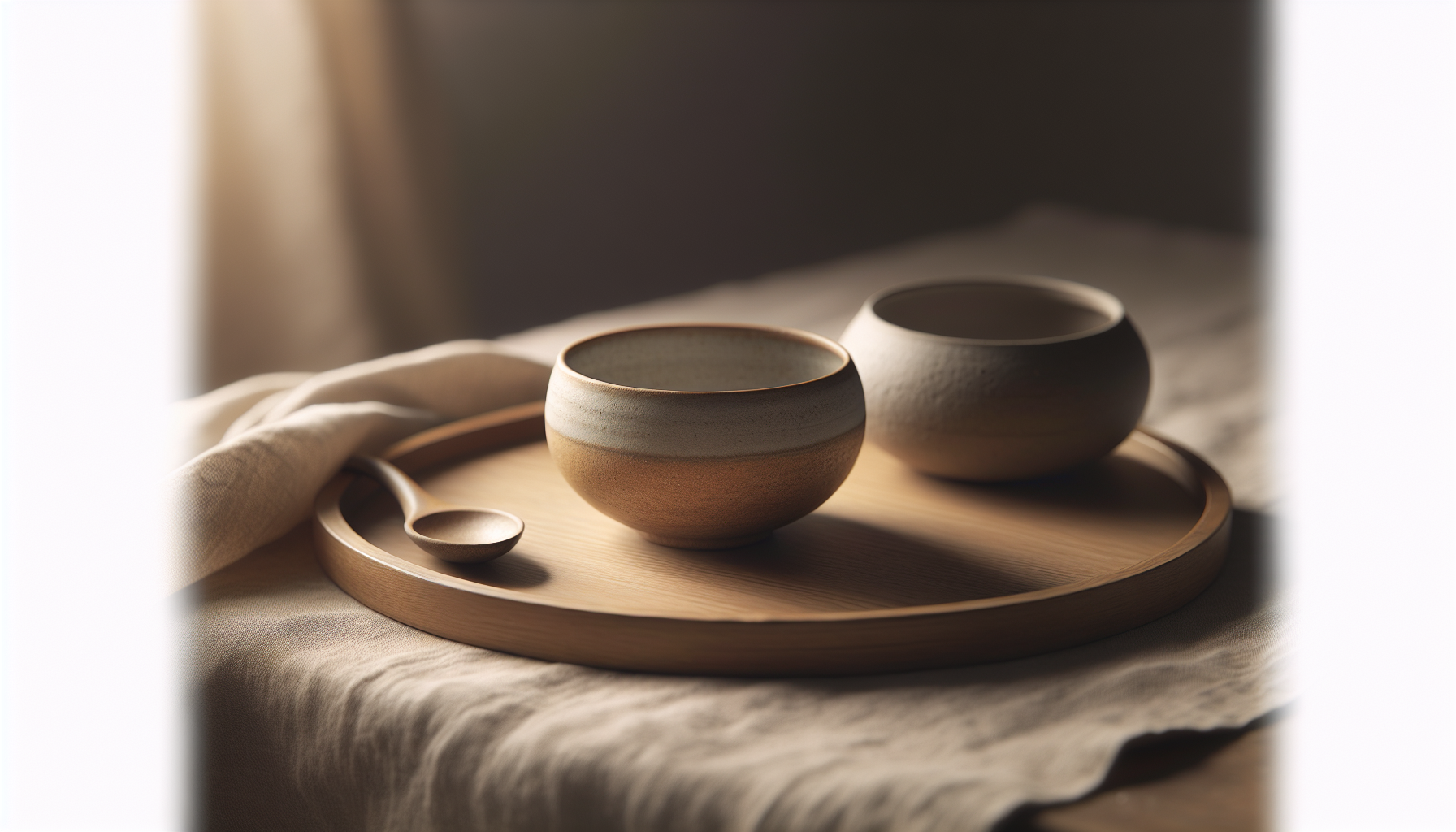
Have you ever walked into a room and felt an immediate sense of calm, as if the space itself was gently inviting you to slow down and breathe?
How people emotionally respond to Japandi interiors in creating mindful domestic rituals
Japandi interiors blend Japanese minimalism with Scandinavian warmth to create spaces that feel both refined and deeply human. You’ll find the design encourages quiet, intentional living and supports rituals that help you be present in daily life. This section introduces the core emotional themes and how they link to ritual formation in your home.
What Japandi is and why it matters for daily life
Japandi is a hybrid aesthetic that combines Japan’s wabi-sabi appreciation for imperfection with Scandinavian hygge comfort and functionality. You’ll notice natural materials, neutral palettes, simple forms, and a focus on craftsmanship. These elements make your surroundings easier to read, which in turn frees mental energy for intentional activity.
The emotional palette of Japandi interiors
Japandi environments evoke a consistent set of emotions: calm, clarity, groundedness, warmth, and quiet joy. These emotional responses are reliable because the design intentionally reduces visual clutter and sensory overstimulation. You’ll feel invited to slow down, to perform small rituals, and to respond to the space with mindful attention.
The psychological mechanisms behind emotional responses
Understanding why Japandi affects you emotionally requires a peek into environmental psychology and sensory processing. These mechanisms explain how subtle design choices translate into feelings and habits.
Sensory simplicity and cognitive load reduction
When you reduce visual noise and prioritize clean lines, your brain spends less energy parsing complex stimuli. You’ll notice your mind can rest more easily, making it simpler to engage in reflective or mindful activities. This reduced cognitive load also makes forming small rituals feel less burdensome.
Materiality, texture, and embodied feeling
Natural materials—wood, linen, stone—provide tactile feedback that communicates warmth and authenticity. Touching a smooth wooden table or a linen throw can produce tiny physiological shifts: lowered heart rate, deeper breathing, and a sense of safety. You’ll be more likely to return to rituals that feel physically comforting.
Light, contrast, and circadian cues
Japandi typically uses soft natural light, layered with warm artificial sources. Light regulates mood and circadian rhythms, which makes rituals like morning tea or evening reading feel aligned with your body’s internal clock. You’ll find your rituals stick better when lighting supports wakefulness in the morning and calm in the evening.
Spatial affordances and behavior shaping
The way furniture is arranged in Japandi interiors creates clear pathways and designated zones for activity. You’ll know where to sit, where to store things, and where to perform certain rituals because the environment communicates these affordances. This clarity reduces decision fatigue and reinforces habitual behavior.
Emotional responses in detail
This section breaks down core emotional reactions you’re likely to experience and how they connect to ritual formation. Each subsection includes suggestions for rituals that align with that emotion.
Calm and reduced anxiety
Calm is the most immediate response to Japandi. Neutral tones and simple compositions lower arousal levels, so you’ll feel less reactive to daily stressors. To harness this calm, establish rituals like a 10-minute morning breathing practice or an evening candle ritual that signals the transition from work to rest.
Suggested ritual: Morning breathwork
- Sit at a wooden bench or floor cushion, breathe slowly for 10 minutes, and focus on the weight of your body meeting the seat. The tactile simplicity of the space makes it easier for you to anchor attention.
Clarity and mental focus
Because the environment limits distractions, you’ll find it easier to concentrate. Japandi’s clean surfaces and orderly storage systems support routines like journaling or focused work sprints. You’ll be more consistent with rituals that require sustained attention.
Suggested ritual: Focused journaling session
- Keep a small notebook on a designated table. Spend 15–20 minutes writing a single prompt each morning, such as “one intention for today,” supported by the uncluttered surroundings.
Groundedness and presence
Natural textures and organic shapes promote a sense of grounding. When you touch a hand-thrown ceramic cup or run your fingers over an untreated wooden surface, your attention returns to the present moment. This sensory anchoring encourages rituals that are slow and tactile, like tea preparation or mindful cooking.
Suggested ritual: Tea ceremony for two or solo
- Ritualize tea preparation: measure leaves, heat water, and hold each step with intent. The process itself becomes a tactile meditation in the calm of your kitchen.
Warmth and comfort
Scandinavian influences add a layer of warmth through textiles, warm lighting, and cozy nooks. You’ll feel invited to relax and be soothed, which supports nightly rituals like reading, stretching, or family conversations that deepen connection and rest.
Suggested ritual: Evening comfort routine
- Create a nightly ritual that includes dimming lights, changing into comfortable clothes, and a 20-minute reading or stretching session in a softly lit corner.
Reverence for imperfection and acceptance
Wabi-sabi teaches you to accept imperfection and to find beauty in the worn. When your space signals that flaws are valued rather than hidden, you’re less likely to chase perfection and more likely to engage in realistic, sustainable rituals. You’ll choose actions that honor process over outcome.
Suggested ritual: Monthly repair and appreciation
- Set aside a monthly time to mend textiles, oil wooden furniture, or simply admire small imperfections. This practice reinforces acceptance and care.
How design elements encourage specific rituals
This section maps particular Japandi elements to the rituals they naturally support. You’ll see practical correlations that make it easy to design rituals into your daily flow.
Minimal surfaces and simple storage — supports quick reset rituals
When surfaces are clear and storage is intuitive, resetting a room becomes a fast, repeatable ritual. You’ll feel encouraged to spend five minutes each evening putting things away, which maintains the calm you appreciate.
Natural materials — support tactile rituals
Materials like ash wood, ceramic, and linen invite touch. You’ll find tactile rituals—like polishing a wooden table or folding linen napkins—rewarding because the materials respond positively to gentle care.
Neutral color palette — supports reflective rituals
Soft neutrals reduce distraction and encourage inward attention. Rituals that involve writing, reflection, or breathwork fit naturally within these calming hues because they don’t compete for attention.
Low furniture and floor-based seating — supports communal and solo grounding rituals
Low seating arrangements orient you closer to the ground, fostering a sense of humility and connection. You’ll find rituals like tea ceremonies, family meals on a low table, or meditation on cushions feel more authentic and intimate.
Layered lighting — supports circadian-aligned rituals
Multiple light sources let you control atmosphere intentionally. You’ll be able to signal transitions—morning routines, evening wind-down—using light as a cue, making rituals more automatic.
Practical examples: Rituals categorized by room
Below are room-specific rituals that align with Japandi design. Each entry gives you a concise practice you can adopt immediately.
Entryway: Arrival and shedding ritual
Your entryway is the threshold between public life and domestic presence. Use this space to drop external concerns and physically transition into home life.
- Ritual steps: Remove shoes, hang coat intentionally, place keys in a designated bowl, take three slow breaths before entering the main living area.
- Why it works: A clear drop zone and a simple bench make this ritual effortless and repeatable.
Living room: Gathering and contemplation ritual
The living space encourages both togetherness and solitude. You can create a ritual that alternates between communal connection and personal reflection.
- Ritual steps: Start with a 10-minute communal check-in before screens are allowed; follow with a personal 20-minute reading or knitting session.
- Why it works: Low seating and warm textiles make this a comfortable place to settle into both social and solitary rituals.
Kitchen: Mindful cooking and gratitude ritual
Cooking in a Japandi kitchen becomes an intentional act rather than a chore. The materials and layout support slow, deliberate food preparation.
- Ritual steps: Choose one simple recipe, prepare ingredients mindfully, taste at three points during cooking, and offer a brief expression of gratitude before eating.
- Why it works: Natural surfaces and organized storage reduce friction and invite you to stay present.
Bedroom: Transition and restorative rituals
The bedroom in Japandi design promotes restful sleep through soft textiles and muted tones. You can ritualize the end of the day to improve sleep quality.
- Ritual steps: Turn off overhead lights an hour before bed, use a table lamp, perform a short body-scan or progressive relaxation, and journal a single thing you’re grateful for.
- Why it works: Layered lighting and simple surfaces help you detach from screens and enter a restorative state.
Bathroom: Cleansing and renewal ritual
The bathroom can be a place of small ceremonies that mark renewal and self-care. Minimal design makes self-care rituals feel intentional and luxurious.
- Ritual steps: Use a warm towel, add a drop of essential oil to a hot cloth, take a moment to breathe deeply, and do a gentle facial massage.
- Why it works: Natural materials and uncluttered sinks create a spa-like environment that supports regular care.
A practical checklist to design rituals into your home
This table gives actionable steps that pair design choices with ritual ideas so you can apply Japandi principles immediately.
| Design Element | Emotional Effect | Ritual Idea | Practical Tip |
|---|---|---|---|
| Clear surfaces | Calm, clarity | 5-minute nightly reset | Use baskets and trays for quick containment |
| Wooden dining table | Groundedness | Shared family meals | Keep only one centerpiece to avoid clutter |
| Linen textiles | Warmth, comfort | Morning stretch with linen mat | Choose breathable fabrics for comfort |
| Low seating | Intimacy | Tea/leisure rituals on the floor | Add cushions with varying textures |
| Soft layered lighting | Circadian alignment | Evening reading ritual | Use dimmers and warm bulbs |
| Open shelving | Intentional display | Monthly object appreciation | Limit items to meaningful pieces |
| Ceramicware | Tactile presence | Mindful cup ritual | Display a small set for daily use |
| Natural plants | Living connection | Watering ritual | Place plants where you pass daily |
Creating ritual routines that are sustainable
Rituals are meaningful only if they’re sustainable. This section helps you design rituals that match your life, not ideals.
Start small and specific
You don’t need a major overhaul to create rituals. Choose one tiny practice—like a single minute of breath awareness at your entryway—and repeat it daily. You’ll build momentum without pressure.
Pair rituals with existing habits
Tie new rituals to actions you already do, such as making coffee or taking off your shoes. This habit stacking makes new practices easier to maintain because they piggyback on established cues.
Prioritize pleasure over productivity
Rituals should feel rewarding. You’ll be more likely to continue them if they bring immediate sensory or emotional satisfaction, like the warmth of a ceramic cup or the softness of a throw.
Allow flexibility and forgiveness
Rigid rituals can become burdens. Keep your practices flexible and forgiving. If you miss a day, return without judgment. Japandi’s acceptance of imperfection makes this approach natural.
Ritual design templates you can copy
Use these templates to build your own daily rituals. Each is short and simple, designed for real life.
Morning grounding sequence (10–20 minutes)
- Open curtains and let soft natural light in; take three deep breaths.
- Prepare a simple beverage in a ceramic cup.
- Sit at a low table or cushion for a 5–10 minute intention writing or breath practice.
- Carry one tactile object (stone, wooden bead) as your day anchor.
Why it works: It combines light, tactile pleasure, and reflection to start your day with presence.
Midday pause (5–15 minutes)
- Step away from work area and move to a designated calm corner.
- Practice a short walking meditation or gentle stretches.
- Refill a water carafe and sip slowly, noticing texture and temperature.
Why it works: It resets your attention and reduces midday stress without demanding a large time block.
Evening wind-down (20–45 minutes)
- Dim lights and switch to warm lamps.
- Engage in a single restorative activity: reading, crafting, or a warm bath.
- Close with a brief gratitude journal entry and three slow breaths before bed.
Why it works: It signals to your nervous system that the day is ending, improving sleep quality.
Adapting Japandi rituals to different lifestyles
Not every household looks the same. Here’s how to adapt rituals for singles, couples, families with children, and small-space dwellers.
Singles and remote workers
You’ll benefit from rituals that set boundaries between work and personal life. Create a dedicated ritual for “closing work” such as closing a laptop, making tea, and moving to a different room.
Couples and shared households
Design rituals that are flexible and shared. A two-person morning ritual—like making coffee together with assigned steps—builds connection without adding time.
Families with children
Simplify rituals and make them participatory. Use tactile, age-appropriate tasks like folding towels together or a bedtime story ritual on a low seating area. You’ll teach children the value of presence through practice.
Small apartments and rentals
Minimalism is your ally. Use multifunctional furniture and keep rituals portable—like a tray with ritual objects that you carry to any suitable spot. You’ll maintain consistency even in tight spaces.
Common challenges and how to overcome them
Ritual formation isn’t always smooth. These practical solutions address typical obstacles so you can keep practices alive.
Feeling pressured to be perfect
If you’re tempted to make rituals elaborate, scale them down. A few meaningful actions are better than a long checklist. Japandi’s embrace of imperfect beauty supports smaller, honest rituals.
Lack of time
Design micro-rituals that take one to five minutes. Even short practices add up and create a stabilizing effect on your day.
Family resistance
Introduce rituals gradually and make them fun. Use rituals as invitations rather than rules—let others opt in without pressure.
Clutter reaccumulation
Set a 5-minute daily reset as a nonnegotiable ritual. Use storage solutions that make tidying effortless and visually pleasing.
Measuring emotional impact
You’ll want to know if these rituals are working. Use simple qualitative and quantitative methods to track progress.
Qualitative measures
- Journal reflections: Note feelings before and after a ritual for a week.
- Photo diaries: Take quick photos of your ritual space to observe changes.
- Family check-ins: Ask housemates how rituals affect mood and routines.
Quantitative measures
- Habit trackers: Use a simple calendar or app to log ritual completion.
- Sleep logs: Track sleep duration and quality to see the effect of evening rituals.
- Stress scales: Rate daily stress on a 1–10 scale and observe trends over time.
Case vignette: From clutter to ritual-rich calm
You might find this example relatable. A busy professional converted a chaotic studio into a Japandi-inflected refuge. By clearing surfaces, limiting decorative objects to a few meaningful items, and adding a low meditation cushion and a ceramic tea set, they established three micro-rituals: a morning five-minute breathwork, a midday tea pause, and a nightly reading ritual. Within weeks, they reported lower daily anxiety, improved sleep, and an increased tendency to invite friends over for intimate meals.
Why it succeeded: The changes were small, intentional, and repeated. The environment supported the rituals, making them easier to carry out and more pleasurable when performed.
Shopping and sourcing: what to buy and what to avoid
You don’t need to fill your home with new things. Thoughtful acquisition is part of the practice. These guidelines help you assemble a ritual-friendly home.
Buy with intention
Choose pieces that are durable, tactile, and timeless. You’ll value items that age gracefully and invite touch.
Prioritize multipurpose items
A low table that doubles as a workspace and dining surface, or a tray that organizes ritual objects, maximizes utility. You’ll reduce clutter and increase ritual opportunities.
Avoid novelty clutter
Keep impulse purchases out of the ritual equation. If an object doesn’t support a practice or bring genuine pleasure, skip it.
Consider sustainability and craftsmanship
Well-made items are often more pleasurable and reliable. You’ll be more committed to caring for and using pieces that feel valuable.
Sample shopping list for ritual creation
| Item | Purpose | Budget tip |
|---|---|---|
| Low wooden table | Grounded eating/tea rituals | Secondhand or unfinished wood |
| Floor cushions | Comfortable floor-based seating | Buy removable covers for washing |
| Ceramic tea set (one set) | Tactile tea ritual | Local artisan or small batch sellers |
| Linen throw and napkins | Warmth and tactile pleasure | Natural fiber blends for affordability |
| Soft table lamp with dimmer | Evening ritual lighting | Use LED warm bulbs to save energy |
| Simple woven baskets | Quick containment and reset | Look in thrift stores |
| Small indoor plants (2–3) | Living connection, watering ritual | Choose low-maintenance varieties |
| Wooden tray | Portable ritual station | Multipurpose for breakfast, tea, journaling |
Frequently asked questions
This section answers common questions you might have as you integrate Japandi principles into rituals.
How long before I notice emotional benefits?
You may feel immediate calm after a single session in a well-designed space, but sustained emotional shifts often take a few weeks of consistent ritual practice. Small, daily rituals accelerate the process.
Can Japandi rituals work in a chaotic household?
Yes—Japandi encourages small, flexible practices that fit real life. Start with micro-rituals and use portable ritual stations so rituals can move with your day.
Do rituals require discipline or creativity?
Both. Discipline helps you show up consistently; creativity keeps rituals engaging. You’ll find that the pleasure of the space fuels your discipline.
Are rituals religious or spiritual?
They don’t have to be. Rituals can be secular practices that provide structure, attention, and meaning. You can adapt rituals to reflect your personal beliefs.
Final tips for making rituals feel effortless
A few closing tips will help you keep rituals sustainable and enjoyable.
- Keep ritual objects visible but minimal. Seeing them prompts action.
- Use scent sparingly—one consistent natural scent anchors memory.
- Rotate rituals seasonally to keep them fresh.
- Invite others to participate without pressure; shared rituals strengthen relationships.
- Treat rituals as experiments: iterate and adapt based on what feels good.
Conclusion: Your home as a place of intentional feeling
Japandi interiors provide more than an aesthetic; they create an emotional architecture that supports mindful domestic rituals. By aligning materials, light, furniture, and storage with small, pleasurable practices, you’ll transform everyday actions into meaningful moments. You don’t need perfection—just intention, a few tactile objects, and consistent, gentle repetition to begin experiencing the calmer, more grounded life the Japandi approach offers.