
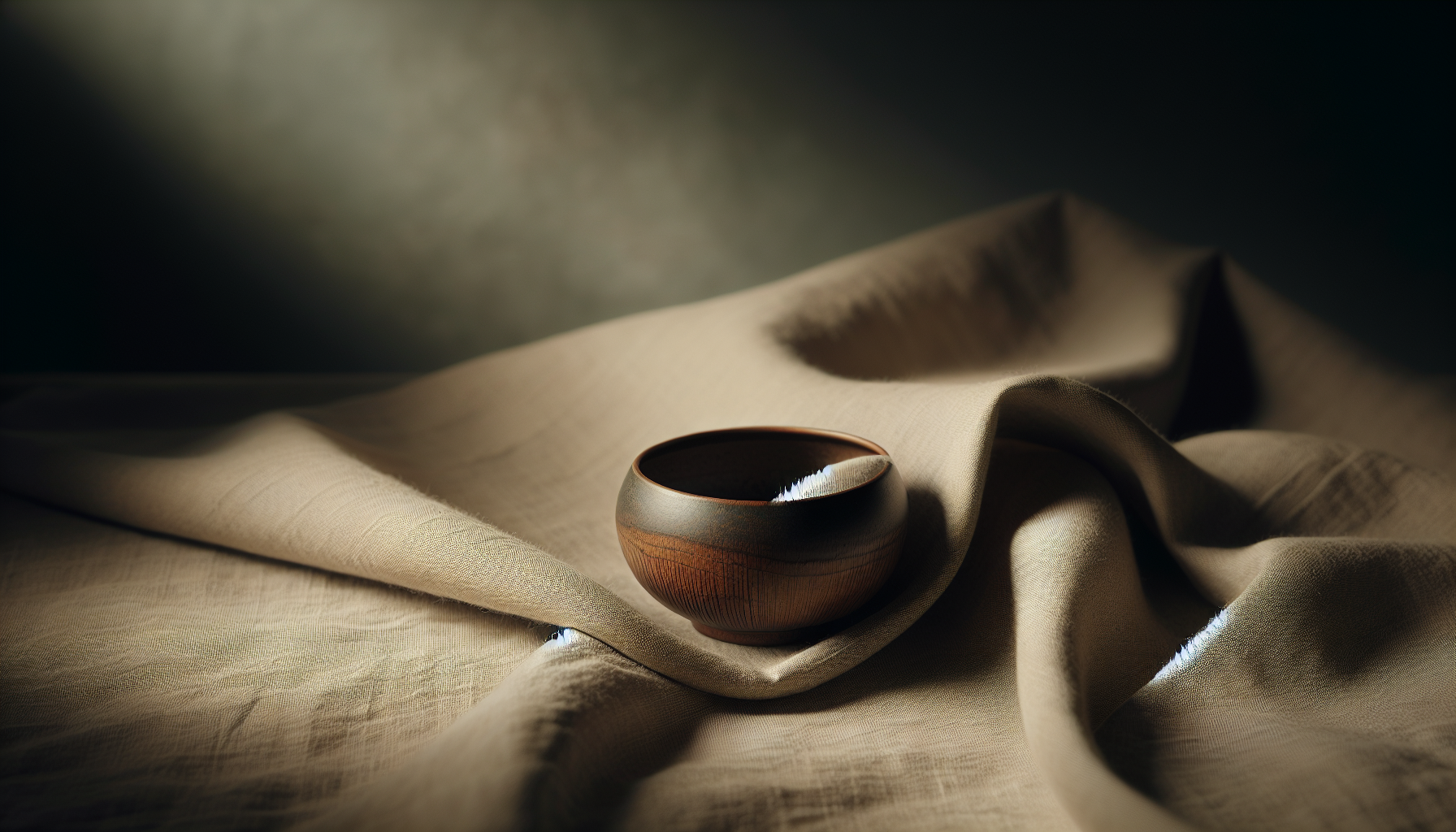
Have you ever walked into a room and felt an immediate sense of calm, as if the space itself was breathing more slowly than you were?
How people emotionally respond to Japandi interiors and the psychology of calm spaces
Introduction: Why Japandi feels so soothing
Japandi blends Japanese minimalism and Scandinavian warmth into a design language that prioritizes simplicity, natural materials, and intentional living. You may notice that rooms styled in this way tend to feel both spare and cozy at once, which is part of the emotional appeal. This article explains why that happens, how different design elements affect your mood and mental state, and how you can use Japandi principles to create calmer spaces in your own life.
What is Japandi?
Japandi is a hybrid aesthetic that combines two distinct design traditions: the restrained elegance of Japanese interiors and the functional comfort of Scandinavian design. You get the clean lines and quiet restraint of Japanese spaces together with the soft textures and human-focused functionality of Nordic homes. Together, they create an environment that supports relaxation, clarity, and a sense of balance.
Origins and cultural influences
The roots of Japandi come from centuries-old philosophies. Japanese design often emphasizes wabi-sabi — appreciation for imperfection and transience — while Scandinavian design grew from a need for practical, light-filled interiors in cold climates. Both cultures value craftsmanship, natural materials, and purposeful design. When merged, they produce interiors that feel timeless and carefully edited.
Core principles of Japandi and their psychological effects
Below are the central principles you’ll find in Japandi interiors, with explanations of how each contributes to emotional well-being.
Simplicity and minimalism
Spaces are stripped of unnecessary objects and visual clutter. You feel less distracted and more mentally spacious when fewer things compete for attention. This reduction in cognitive load can lower stress and make decision-making easier.
Natural materials and textures
Wood, stone, linen, wool, and clay dominate the palette. These materials have tactile and visual warmth that stimulates comfort and grounding. Touching natural textures can evoke memories and sensory pleasure, increasing feelings of safety and contentment.
Neutral, muted color palette
Soft beiges, warm greys, charcoal, muted greens, and natural wood tones create a subtle backdrop. These colors reduce visual stimulation and encourage relaxation, because they don’t demand attention the way bright, saturated hues do.
Functional furniture and clean lines
Furniture emphasizes utility and comfort without excessive ornamentation. Clean lines and low profiles help your eye move easily across the room, supporting a calm mental state and clearer focus.
Intentionality and craftsmanship
Well-made objects and thoughtful placement give the environment a sense of purpose. You feel respected by your surroundings, and that perceived quality can boost well-being and pride in your space.
Biophilic elements
Plants, natural light, and materials that reference nature support the human need for connection with living systems. These elements reduce stress and improve mood, energy, and focus.
How sensory design shapes emotion in Japandi interiors
Japandi affects multiple sensory channels, and each contributes to the overall emotional experience.
Visual impact
Minimal visual clutter, consistent palettes, and balanced compositions calm your visual system. Because your eyes don’t have to hunt for focal points, your brain conserves energy, which is experienced as comfort and mental clarity.
Tactile experience
Soft textiles, smooth woods, and organic ceramics invite touch. You’re more likely to interact with furniture and objects that feel pleasant, which fosters comfort and domestic intimacy.
Olfactory cues
Subtle natural scents from wood, linen, or botanicals create an understated aroma profile that can be grounding. Avoiding artificial, overpowering fragrances helps you feel more present and relaxed.
Acoustic environment
Japandi interiors often include soft textiles and natural surfaces that absorb sound, reducing echo and creating a quieter atmosphere. Lower ambient noise levels reduce stress and improve concentration.
Light and shadow
Soft, diffused natural light and warm artificial lighting produce gentle contrasts rather than harsh glare. That relaxation of visual tension lowers physiological stress responses and helps regulate sleep-wake cycles.
The psychology behind calm spaces
Different psychological theories help explain why calm spaces affect you the way they do.
Attention restoration theory
When your attention is fatigued from prolonged focus or decision-making, environments that are gently stimulating — such as natural or minimalist spaces — allow your directed attention to replenish. Japandi’s blend of simplicity and natural features provides that restorative quality, making you feel more mentally refreshed after time spent there.
Cognitive load theory
Your brain has a limited capacity for processing information. Excessive stimuli — clutter, loud patterns, bright colors — increase cognitive load. Japandi reduces irrelevant stimuli, freeing up mental resources for tasks you choose to focus on.
Biophilia hypothesis
Humans have an innate tendency to connect with nature. By incorporating natural materials, plants, and views to the outdoors, Japandi spaces satisfy this tendency, producing measurable improvements in mood, stress levels, and even physical health markers like heart rate.
Place attachment and identity
Well-crafted, intentional spaces help you form emotional bonds with your home. When your environment reflects values like calm, craftsmanship, and sustainability, you feel more authentic and grounded. That sense of belonging reduces anxiety and increases life satisfaction.
Emotional responses to Japandi interiors
People often report consistent emotional reactions to Japandi spaces. Below are common responses and why they occur.
Calmness and lowered anxiety
The most immediate response for many people is a sense of calm. This comes from reduced visual and auditory stimulation, harmonious color schemes, and natural materials. Lowered cortisol (stress hormone) is associated with quieter, more natural interior environments.
Warmth and comfort
Despite minimalism, Japandi feels warm because of natural textures, wood tones, and soft textiles. You get the psychological benefits of coziness without clutter-induced stress.
Clarity and focus
The visual simplicity supports concentration. If you work or study at home, the unobtrusive surroundings help you stay on task and make decisions more efficiently.
Satisfaction and pride
Intentional choices and craftsmanship elevate the perceived value of your space. That appreciation can lead to increased satisfaction with your environment and a sense of pride in maintaining a calm, curated home.
Nostalgia and cultural resonance
For some, Japanese elements or Scandinavian simplicity trigger memories or cultural associations that are emotionally meaningful. These associations can be comforting and reinforce identity.
Tension or sterility (in some people)
Not everyone finds minimalism soothing. Some may interpret sparsity as cold or impersonal. If your emotional baseline leans toward needing more stimuli or expressive decor, a strict Japandi approach may feel restricting.
Individual differences: why responses vary
Your personal history, cultural background, and sensory preferences shape how you react emotionally to Japandi spaces.
Personality traits
If you’re high in openness or prefer novel, pared-back aesthetics, Japandi will likely feel liberating. If you’re highly sensation-seeking or value maximalist expression, you may find the style underwhelming.
Cultural context
Design cues carry cultural meanings. What feels tranquil in one culture might feel bare in another. You’ll want to adapt principles to your cultural preferences to maintain emotional resonance.
Sensory sensitivity
People with higher sensory sensitivity may welcome Japandi’s reduced stimuli, while those who need stronger sensory input (colors, patterns, music) may want to add measured accents.
Life stage and household composition
Families with children may value durability and storage more than austerity. Singles or couples without kids might prefer more minimal upkeep. Consider practical needs to ensure emotional comfort.
Practical design strategies to create calm Japandi spaces
Here are concrete steps you can take when applying Japandi principles to your home.
Start with decluttering and editing
Reduce visual noise by keeping only items that are useful or meaningful. Editing is not about deprivation; it’s about curating what remains so each piece can be appreciated.
Choose a muted color palette
Select two to four neutral tones and one accent muted color. This provides cohesion without monotony. Warm woods paired with soft greys or muted greens work well together.
Prioritize natural materials
Opt for solid wood furniture, linen or cotton textiles, ceramics, and stone. These materials age gracefully and offer tactile comfort.
Balance low-profile furniture with soft textiles
Low seating and streamlined furniture provide Japanese minimalism, while plush throws, cushions, and rugs add Scandinavian warmth. This creates a welcoming but uncluttered feel.
Use light thoughtfully
Maximize natural light with sheer curtains and reflective surfaces. Add warm, dimmable artificial lighting so you can adjust intensity for tasks or relaxation.
Layer textures
Combine smooth, matte woods with rougher linens and soft wool to create sensory interest without visual chaos. Texture gives depth and comfort where color is restrained.
Integrate plants strategically
Add a few well-chosen plants to bring life and biophilic benefits. Choose species that suit your light conditions and maintenance preferences.
Create intentional focal points
Instead of multiple eye-catching items, use single pieces like a handcrafted chair, sculptural vase, or a framed textile as focal points. They anchor the room and invite appreciation.
Provide ample storage
Hidden storage maintains visual calm and supports everyday function. Built-ins or sleek cabinets help you keep surfaces free and organized.
Personalize minimally
Display a few meaningful objects rather than many small items. A single framed photograph, a ceramic bowl, or a treasured book can carry emotional weight without cluttering the space.
Room-by-room guidelines
Living room
Keep furniture arrangement conversational and uncluttered. Use a single rug, one or two chairs, a low wooden coffee table, and layered textiles to invite relaxation. Maintain clear pathways and surfaces for breathing room.
Bedroom
Prioritize restful fabrics, dimmable lighting, and a neutral palette. Keep technology out of sight when possible. A simple headboard, soft bedding, and minimal nightstand items encourage sleep and relaxation.
Kitchen
Focus on functional, durable materials and open, accessible storage. Keep countertops clear and use organized shelving for displays. A few hand-thrown ceramics or wooden utensils can add warmth.
Workspace
Minimize distractions and keep only essential tools visible. A clean desk, ergonomic chair, and a single plant or meaningful object can improve focus and productivity.
Bathroom
Use natural stone or wood-like surfaces, soft towels, and subtle lighting. Keep toiletries stored in cabinets to maintain a spa-like ambiance.
Entryway
Create a calm transition with a simple bench, a hook or two, and a low-profile shoe cabinet. This sets the tone for what you’ll feel when moving through the rest of your home.
Tables to clarify elements and effects
Use the tables below to compare core influences and to match design elements with emotional outcomes.
Table 1 — Comparison: Japanese vs Scandinavian influences in Japandi
| Influence | Typical features | Emotional effect |
|---|---|---|
| Japanese | Low furniture, muted palettes, natural materials, wabi-sabi, minimal ornament | Tranquility, contemplative calm, acceptance |
| Scandinavian | Light colors, cozy textiles, functional simplicity, hygge-influences | Warmth, comfort, sociability |
| Japandi (hybrid) | Low-profile form + cozy textiles, neutral warm palette, natural materials, functional storage | Balanced calm, warm minimalism, intentional comfort |
Table 2 — Design elements and their emotional impacts
| Element | Typical choice in Japandi | Emotional outcome |
|---|---|---|
| Palette | Warm neutrals, muted greens, charcoal | Soothing, less stimulation |
| Material | Oak, walnut, linen, wool, clay | Grounding, tactile comfort |
| Lighting | Diffused natural light, warm LED | Relaxation, circadian support |
| Texture | Layered fabrics, matte wood | Depth without clutter |
| Plants | Monstera, ficus, bamboo, bonsai | Biophilic calm, improved air perception |
| Storage | Concealed cabinetry, baskets | Reduced stress, perceived order |
Rituals and behaviors that reinforce calm
Design is only part of the equation; how you use the space matters too.
Establish daily rituals
Simple rituals — morning tea in a quiet corner, a brief evening tidy, or a weekend care routine for plants — reinforce the calm the space promotes and create predictable anchors in your day.
Maintain minimal visual stimulation
Regularly clear surfaces and rotate decorative objects seasonally to keep the space feeling fresh without accumulating clutter.
Mindful interaction with objects
When you choose handcrafted or tactile items, interact with them deliberately. Touching a wooden bowl or a linen throw becomes a small act of grounding.
Use scent intentionally
Natural scents, such as cedar or unscented soy candles, can be calming if used sparingly. Avoid overpowering synthetic fragrances that disrupt the serene atmosphere.
Potential pitfalls and how to avoid them
Being aware of challenges helps you adapt Japandi to fit your life.
Risk: feeling sterile or impersonal
If you’re not careful, the minimalism can feel cold. Counter this by adding warm textiles, personal objects, or layered lighting.
Risk: high maintenance
Natural materials can require care. Choose appropriate finishes and realistic plant selections for your lifestyle to avoid frustration.
Risk: cultural misinterpretation
Borrowing from another culture should be done with respect. Focus on principles rather than stereotypical motifs, and treat functional and symbolic elements with mindfulness.
Risk: accessibility and comfort
Low seating and minimal ornamentation may not suit everyone. Adjust furniture heights and materials for your physical needs without sacrificing the aesthetic.
Sustainability and ethical considerations
Japandi’s emphasis on quality, natural materials, and longevity aligns well with sustainable principles. When you choose durable, responsibly sourced materials and secondhand or well-crafted items, you reduce waste and increase the emotional value of your possessions. Prioritize local craftsmen, sustainably harvested wood, and natural fibers to make your calm space both beautiful and ethically grounded.
Case scenarios: applying Japandi in different living situations
Below are practical examples to help you imagine how Japandi works in real life.
Small apartment, single occupant
You can make the most of limited square footage with multi-functional furniture (e.g., a low-profile sofa that doubles as a daybed), vertical storage, and a consistent palette to create visual continuity. A single statement plant and a soft rug will make the area feel both spacious and cozy.
Family home with kids
Balance minimalism with robustness. Choose stain-resistant textiles, plenty of concealed storage for toys, and easy-to-clean surfaces. Display art or photos in rotation so personal expression remains strong without overcrowding.
Shared workspace at home
Designate a clear boundary between work and leisure. Use a simple desk, neutral backdrop, and a plant to maintain focus. When work ends, physically remove work items to signal a change in context and support mental rest.
Rented accommodation
Use removable, non-permanent changes — such as plug-in lighting, textiles, and temporary shelving — to achieve the Japandi look without structural changes. Lightweight, handcrafted furnishings you can take with you preserve the investment.
Measuring the impact: how to know if it’s working
You’ll know your Japandi space is doing its job if you notice shifts in your behavior and feelings.
- You find it easier to relax at home.
- You sleep better or fall asleep more quickly.
- You make fewer stressful decisions about clutter.
- You feel more focused and productive in designated areas.
- You enjoy spending time in the same room for longer periods.
Keep a simple journal for a few weeks to track changes in mood, sleep quality, and productivity to see concrete patterns.
Quick checklist to create your own calm Japandi room
Use this checklist as a practical guide when planning or editing a space.
| Step | Action |
|---|---|
| 1 | Declutter surfaces and edit possessions to essentials and meaningful items |
| 2 | Choose a palette of 2–4 neutral/muted tones |
| 3 | Select 2–3 natural materials (wood, linen, stone) |
| 4 | Opt for low-profile, functional furniture |
| 5 | Layer textiles for warmth (rug, throw, cushions) |
| 6 | Add 1–3 plants suited to light conditions |
| 7 | Install soft, dimmable lighting and maximize natural light |
| 8 | Provide adequate concealed storage solutions |
| 9 | Include a few handcrafted or personal objects as focal points |
| 10 | Maintain a weekly tidy ritual to keep the space calm |
Conclusion: living more calmly with Japandi
If you want your home to be a place that supports rest, clarity, and well-being, Japandi offers a coherent set of principles to get you there. You benefit most when you combine thoughtful editing, natural materials, and simple rituals that complement the physical design. Keep your personal needs and cultural context in mind, and adapt the principles rather than following rules rigidly. The result should be a space that not only looks calm but feels emotionally nourishing and sustainable over time.
By applying these ideas, you’ll likely find your home becoming a clearer reflection of what you value: comfort, quality, and serenity. Keep experimenting, be patient with the process, and remember that calm spaces are created through both design choices and the habits you cultivate within them.