
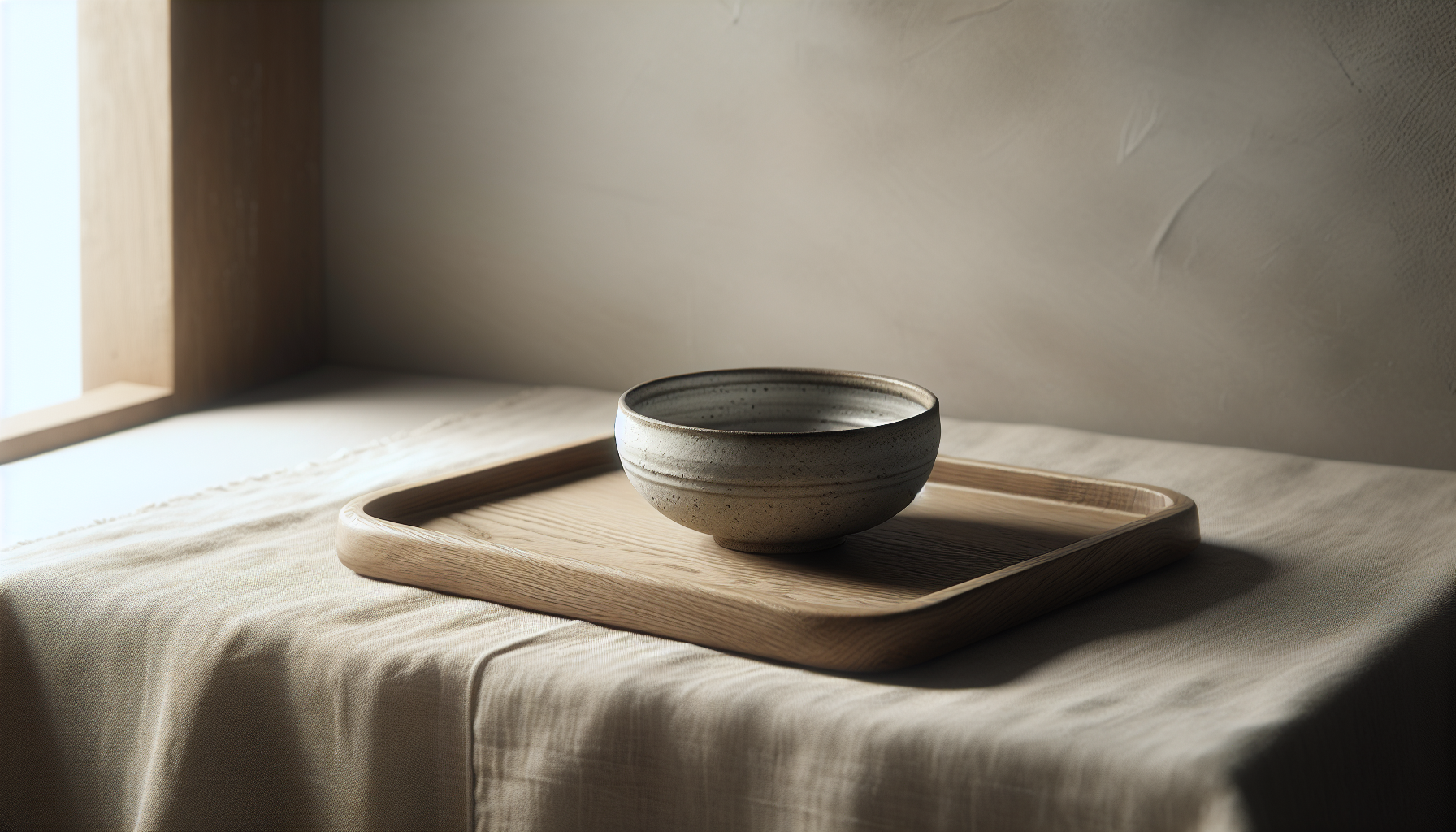
Can a style rooted in two very different cultures truly feel both modern and timeless at once?
Japandi Revisiting Modern Ideals through Timeless Principles
You’ll find that Japandi is more than a trend; it’s a philosophy that blends clear, contemporary lines with enduring traditions. This article unpacks how Japandi negotiates between modern ideals—functionality, minimalism, innovation—and timeless principles like craftsmanship, natural materials, and proportion.
What is Japandi?
Japandi is a hybrid aesthetic that merges Japanese minimalism with Scandinavian functionality and warmth. You’ll recognize it by its restrained color palettes, careful attention to detail, and an emphasis on calm, comfortable living.
Origins and cultural heritage
The style borrows deeply from two cultural design lineages: Japan’s wabi-sabi and Scandinavia’s hygge and functional modernism. You’ll see how both traditions value restraint, quality, and an emotional connection to the objects and spaces around you.
Why Japandi matters today
You’ll notice that contemporary life demands less clutter and more meaningful experiences, which Japandi responds to perfectly. It supports sustainable choices, promotes mental clarity, and makes careful design feel accessible and welcoming.
Core Principles of Japandi
Japandi rests on a few repeating principles that you can apply to any home. Each principle reinforces the sense of calm, order, and comfort that defines the style.
Simplicity and minimalism
Simplicity means choosing fewer items that serve a purpose and bring joy. You’ll want to be intentional about what you keep, favoring multi-functional pieces and uncluttered surfaces.
Functionality and utility
Function should drive form, not the other way around. You’ll prioritize furniture and layouts that solve everyday needs while maintaining aesthetic restraint.
Natural materials and textures
Wood, stone, linen, wool, and ceramics create tactile richness without excessive ornament. You’ll want to let materials speak for themselves, showing natural grain, texture, and aging.
Calm, muted color palettes
Japandi favors neutrals—soft creams, warm beiges, muted greys, and deep, earthy tones. You’ll use color sparingly to maintain a soothing environment and to highlight natural textures.
Craftsmanship and longevity
Quality construction is essential; pieces should be built to last and to acquire character over time. You’ll prefer items that reward care and use rather than disposable trends.
Balance of aesthetics and comfort
A home must be beautiful and livable in equal measure. You’ll combine sculptural simplicity with cushions, throws, and warm wood tones that invite lounging and socializing.
Japanese Influences: Wabi-Sabi and Minimalism
Japanese aesthetic concepts are key to understanding Japandi’s restrained elegance. These ideas give the style its quieter, meditative dimension.
Wabi-sabi: beauty in imperfection
Wabi-sabi celebrates impermanence, natural flaws, and the passage of time. You’ll find it in handmade ceramics, weathered wood, and textiles that carry slight irregularities instead of machine-perfect uniformity.
Zen philosophy and spatial economy
Zen encourages purposeful emptiness and a reduction of distractions. You’ll design spaces that allow breathing room, where negative space becomes as important as the objects themselves.
Scandinavian Influences: Hygge and Design for Living
The Scandinavian side brings warmth, functionality, and human-centered design that makes Japandi welcoming and comfortable.
Hygge: comfort and conviviality
Hygge emphasizes coziness, soft lighting, and social warmth. You’ll introduce throws, reading nooks, and layered lighting to create an approachable atmosphere.
Functional, democratic design
Scandinavian design traditions focus on affordability, durability, and well-thought-out ergonomics. You’ll select furniture that feels effortless to use and easy to maintain.
Is Japandi Considered Modern or Timeless?
This central question blends definition and context. You’ll find that Japandi sits at the intersection: it reads as modern today while being built on principles that resist rapid obsolescence.
Arguments for Japandi being modern
Japandi looks modern because of its minimal lines, efficient planning, and contemporary materials. You’ll notice how its pared-back aesthetic aligns with current design thinking that values sustainability and digital-age living.
Arguments for Japandi being timeless
Japandi is timeless because its foundations—natural materials, proportional spaces, craftsmanship—are long-standing human preferences. You’ll see how these qualities age well and maintain relevance across generations.
How both qualities coexist
Modern ideals give Japandi its immediacy; timeless principles give it endurance. You’ll benefit from a style that fits today’s lifestyles but also remains adaptable and satisfying over long periods.
Practical Design Guidelines for Japandi Interiors
You can apply a series of practical steps to achieve a cohesive Japandi look. These are actionable, room-by-room strategies and selection tips to make the style work for your life.
Planning and layout: function first
Start by prioritizing circulation and daily activities. You’ll place furniture to facilitate use—clear pathways, zones for tasks, and minimal barriers between spaces.
Choosing furniture: form and function balanced
Select clean-lined pieces with subtle curves and minimal ornamentation. You’ll want furniture that’s comfortable, durable, and visually light—fewer pieces with more presence.
Color palette: creating serenity
Stick to two or three base neutrals and add restrained accents. You’ll use muted greens, indigo, or terracotta sparingly to add depth without overwhelming the senses.
Materials and finishes: natural and honest
Opt for oak, walnut, bamboo, rattan, paper, and natural stone. You’ll prefer matte finishes and tactile surfaces that reveal grain and texture rather than glossy coatings.
Lighting: soft, layered, and indirect
Combine ambient, task, and accent lighting for a balanced, cozy atmosphere. You’ll favor paper lanterns, pendant lights, and dimmable fixtures that allow you to soften the room.
Textiles and soft furnishings: warmth without clutter
Introduce wool rugs, linen curtains, and cotton throws in muted hues. You’ll layer textiles thoughtfully to enhance comfort while maintaining a minimal look.
Storage: hidden but accessible
Use built-in cabinetry, low-profile consoles, or modular storage that integrates seamlessly with the room. You’ll hide everyday clutter while keeping frequently used items within reach.
Room-by-Room Tips
These practical tips will help you adapt Japandi to specific rooms, so your home feels unified while accommodating different functions.
Living room
Design the living room around one or two key pieces—a sofa and a coffee table—so the space remains open. You’ll arrange seating for conversation and add a soft rug and minimal shelving to display curated items.
Kitchen and dining
Prioritize uncluttered counters, clean cabinetry, and durable surfaces that age gracefully. You’ll pick simple tableware and functional storage to keep daily routines calm and efficient.
Bedroom
Make the bedroom a sanctuary with low-profile beds, breathable linen, and minimal bedside furniture. You’ll keep decor restrained to support rest and consider warm wood tones to add coziness.
Bathroom
Choose natural stone or porcelain with subtle textures and simple fixtures. You’ll keep toiletries organized and use soft towels and wooden accessories to add warmth.
Home office
Create a workspace that reduces distractions and maximizes comfort. You’ll invest in an ergonomic chair, essential storage, and calming colors to support focus.
Materials and Maintenance: Longevity Over Trend
Sustainable, durable choices are central to Japandi’s ethos. Your selections should make everyday life easier and reduce the need for frequent replacements.
Selecting sustainable materials
Look for responsibly sourced wood, low-VOC finishes, and natural fibers. You’ll also consider secondhand or artisan-made pieces to reduce environmental impact.
Care and aging gracefully
You’ll protect wood with regular oiling or waxing, follow care guidelines for textiles, and embrace minor wear as part of the character of your home. Simple maintenance extends lifespan and deepens attachment.
When to repair versus replace
Choose repair whenever possible; restoring a piece keeps its story and reduces waste. You’ll weigh repair costs against replacement prices and sentimental or functional value.
Furnishing and Decor Checklist
This table gives you a concise checklist to guide purchases and styling. Use it to evaluate existing pieces and prioritize new acquisitions.
| Element | What to look for | Why it matters |
|---|---|---|
| Sofa | Low profile, natural fabric, solid wood frame | Comfort with quiet visual weight |
| Coffee table | Simple silhouette, solid wood or stone | Anchor piece, durable surface |
| Dining table | Rectilinear or rounded edges, oak or ash | Social hub, long-lasting |
| Chairs | Ergonomic, minimal lines, mixed materials | Functional variety and visual interest |
| Lighting | Paper lanterns, pendants, dimmers | Soft ambiance, layered light |
| Rugs | Natural fibers, muted patterns, low pile | Comfort and acoustic control |
| Storage | Built-ins, sliding doors, concealed units | Reduce visual clutter |
| Textiles | Linen, wool, cotton, neutral hues | Tactile warmth and layering |
| Accessories | Handmade ceramics, minimal art | Personality without clutter |
| Plants | Low-maintenance greenery, simple planters | Life, texture, and color balance |
Common Mistakes and How to Avoid Them
You’ll be able to get the Japandi look wrong by over-minimalizing or copying surface-level elements without embracing underlying principles. These errors are easy to fix.
Too little warmth
An overly sparse room can feel cold and sterile. You’ll add warmth with wood tones, textiles, and layered lighting to keep spaces inviting.
Over-accessorizing
Filling every surface defeats the minimal ethos. You’ll curate a few meaningful objects rather than filling shelves with small, unrelated items.
Choosing trendy over durable
Buying cheap, trendy furniture undermines Japandi’s longevity. You’ll invest in quality basics and supplement with a few affordable, replaceable accents.
Ignoring scale and proportion
A large coffee table in a small room or tiny art on a big wall disrupts harmony. You’ll measure, visualize, and scale pieces to room proportions.
Styling Tips: Making the Space Yours
Japandi invites personal touches while maintaining restraint. You’ll balance personality with the style’s core principles.
Curate intentionally
Choose objects that tell a story or serve a function. You’ll display only items that you use or that spark positive emotions.
Mix old and new
Blend modern pieces with vintage or handcrafted items for depth. You’ll let patina and wear enrich the narrative of your space.
Use negative space as design tool
Allow empty areas to breathe around focal objects. You’ll find this creates calm and enhances the presence of the pieces you keep.
Case Studies: How Japandi Works in Different Homes
Real-life examples show how flexible Japandi can be. Each scenario highlights practical choices and outcomes you can replicate.
Small apartment
In compact spaces, prioritize multi-functional furniture, vertical storage, and light colors to maximize perceived space. You’ll choose foldable surfaces and a cohesive palette to maintain flow.
Family home
For active households, pick robust fabrics, rounded-edge furniture, and accessible storage to keep things orderly. You’ll focus on forgiving materials and intentional zones for play and relaxation.
Rental properties
You’ll achieve a Japandi feel with removable wallpaper, layered textiles, and simple lighting upgrades. Temporary changes can still create calm without permanent alterations.
Adapting Japandi to Your Climate and Location
You can and should adapt materials and finishes based on where you live. Consider humidity, sun exposure, and local craftsmanship.
Hot and humid climates
Choose breathable textiles, raised furniture to allow airflow, and moisture-resistant woods or finishes. You’ll prioritize ventilation and sun protection to keep materials healthy.
Cold climates
Layer thicker textiles, invest in insulation, and use area rugs to retain warmth. You’ll incorporate warm wood tones and ample soft lighting to counter shorter days.
Urban versus rural considerations
Urban spaces benefit from clever storage and light-reflecting surfaces, while rural homes can embrace larger-scale wooden furniture and natural stone. You’ll adapt scale and layout to the context of your surroundings.
Budgeting and Sourcing
Creating a Japandi home doesn’t require endless spending. You’ll mix high-quality anchors with thoughtfully chosen affordable pieces.
Where to invest
Put money into key items: a solid sofa, dining table, and bedroom bed. You’ll get the most return by choosing anchors that last.
Where to save
Affordable rugs, cushions, and small ceramic pieces can be swapped out if you want seasonal change. You’ll use these accents to refresh looks without large expense.
Sourcing tips
Look for local artisans, secondhand stores, and sustainable brands. You’ll find unique pieces with character and often better value than mass-produced options.
Frequently Asked Questions
You’ll probably have questions about applying Japandi to your specific needs; the answers below cover common concerns.
Can Japandi work in a colorful home?
Yes. You’ll keep the base neutral and introduce color as accents—pillows, art, or an accent wall—while maintaining material cohesion.
Is Japandi suitable for families with kids?
Absolutely. You’ll choose durable, stain-resistant fabrics, rounded-edge furniture, and plenty of storage to keep things functional and safe.
How can you add personality without clutter?
Choose a few larger, meaningful pieces rather than many small accessories. You’ll let craftsmanship and materiality be your main source of personality.
Final thoughts: Designing with Intent
Japandi is less about a strict checklist and more about the attitude you bring to your home. You’ll be intentional, considerate of material life cycles, and thoughtful about what you own and why.
Living the principles
When you apply Japandi principles consistently, you’ll create spaces that support calm, clarity, and practical beauty. The result is a home that feels simultaneously modern and timeless—responsive to your life now and resilient for the future.
Next steps for you
Start with small changes: clear a surface, add one handcrafted object, or replace a lightbulb with a softer option. You’ll gradually align your environment with Japandi’s lasting promise: simple elegance that serves daily life.