
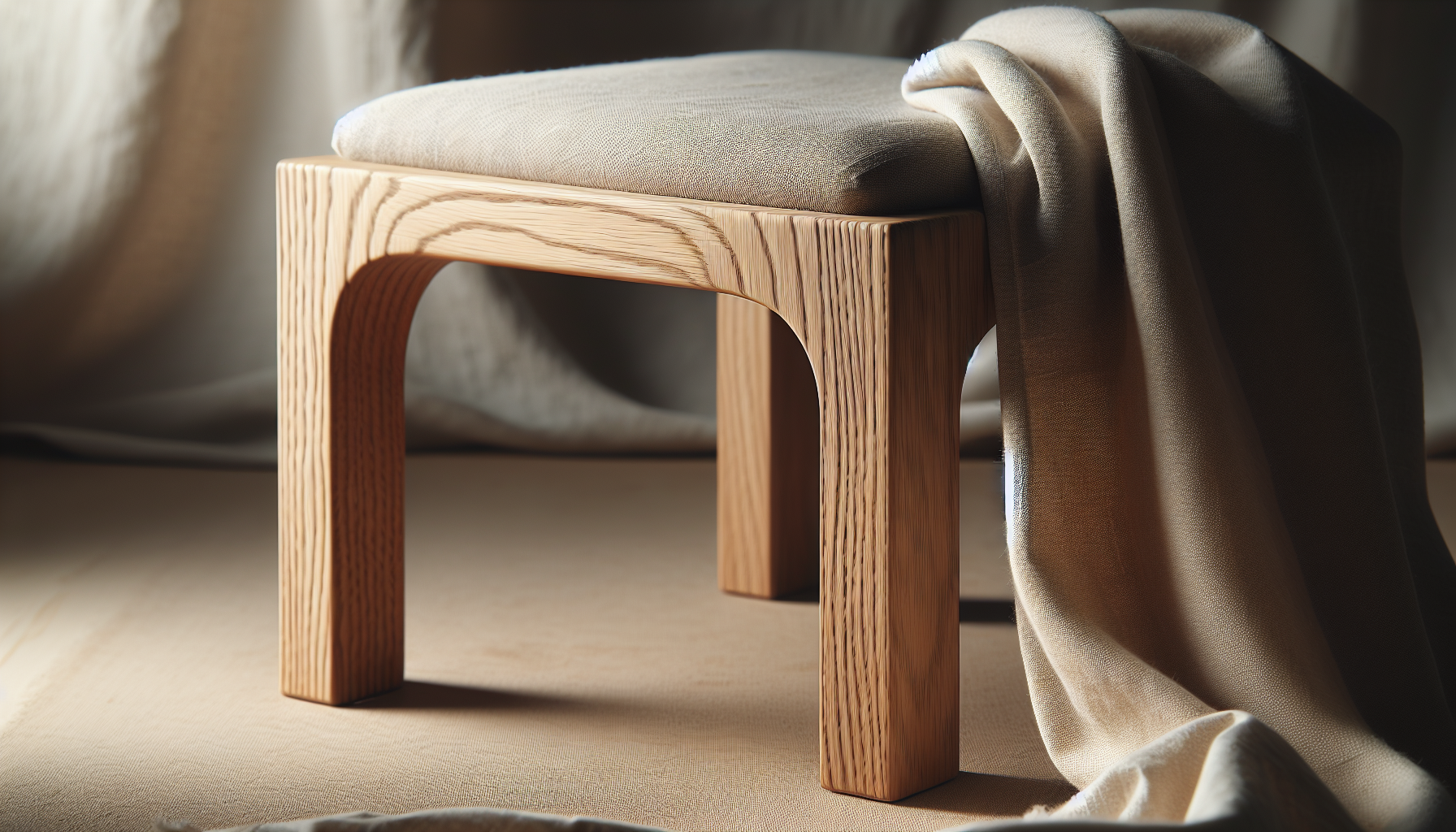
Can Japandi be both modern and timeless in your home?
You might already love the calm, pared-back look of Japandi, or you could be curious about whether that aesthetic will still feel fresh in five or fifteen years. This article walks you through what Japandi really is, how it balances contemporary trends with enduring design principles, and practical steps you can take to make your spaces feel both modern and timeless. Everything is framed to help you make decisions that suit your life and taste.
What is Japandi?
Japandi is a hybrid design style that blends Japanese minimalism and Scandinavian functionality. If you appreciate uncluttered spaces, natural materials, and a focus on craftsmanship and comfort, Japandi will likely resonate with you.
This style isn’t about literal copies of traditional Japanese rooms or Scandinavian cabins. It’s more about borrowing philosophies: restraint and respect for materials from Japan, and warmth and practicality from Scandinavia. The result is quiet, intentional interiors that emphasize quality over quantity.
Origins and philosophy
Japandi emerged as a response to maximalism and fast trends, offering a slower, more mindful approach to living spaces. It values calmness, purposeful objects, and a connection to nature.
You’ll notice principles like wabi-sabi (accepting imperfection), hygge (comfort and coziness), and Scandinavian pragmatism. Together these philosophies create environments that encourage rest, clarity, and well-being.
Key principles of Japandi
- Minimal ornamentation and clutter-free layouts
- Natural, tactile materials (wood, linen, clay)
- Neutral, muted color palettes with grounded accents
- Clean lines with comfortable proportions
- Emphasis on craftsmanship and functional objects
These principles are intentionally flexible, so you can adapt them to various budgets, spaces, and personal taste while maintaining coherence.
Japanese vs Scandinavian influences
Both traditions contribute essential elements to Japandi. Understanding their distinct influences helps you see why the style can be both modern and timeless.
| Element | Japanese contribution | Scandinavian contribution |
|---|---|---|
| Philosophy | Wabi-sabi: beauty of imperfection, restraint | Hygge: warmth, comfort, social wellbeing |
| Aesthetic | Minimal, refined, disciplined | Cozy, functional, accessible |
| Materials | Natural woods, paper, ceramics | Light woods, wool, leather |
| Color | Muted earth tones, deep neutrals | Pale neutrals, soft pastels |
| Form | Low-profile furniture, simple geometry | Functional, ergonomic furniture |
When you apply these influences thoughtfully, they complement each other—Japanese calm prevents Scandinavian warmth from feeling cluttered, and Scandinavian comfort keeps Japanese austerity from becoming cold.
Is Japandi modern or timeless?
You may be wondering whether Japandi counts as a transient trend or a durable classic. The short answer: it can be both.
Modern implies responsiveness to current tastes, clean lines, and contemporary materials. Timeless suggests enduring appeal, adaptability, and reliance on fundamental design principles. Japandi uses modern sensibilities—minimalism and streamlined forms—while rooting itself in age-old traditions that emphasize quality, natural materials, and restraint. Because of that grounding, Japandi can remain relevant over time rather than feeling dated when trends shift.
How Japandi reads as modern
- Minimal, uncluttered layouts align with current trends for open, airy spaces.
- Integration of clean-lined, contemporary furniture and streamlined lighting contributes to a modern look.
- Use of neutral palettes with bold, singular focal points fits current graphic tendencies in design.
- Incorporating modern materials (tempered glass, matte metals) and contemporary production techniques keeps the aesthetic current.
If you like a “less is more” modern vibe, Japandi translates it without feeling cold or purely utilitarian.
How Japandi reads as timeless
- Emphasis on natural, durable materials—solid woods, linen, ceramic—ages gracefully and can be repaired or refinished.
- Neutral palettes anchored in nature avoid color fads.
- Classic proportions, handcrafted pieces and structural simplicity mean pieces are less subject to stylistic obsolescence.
- Focus on functionality and comfort means objects remain useful and valued rather than discarded.
By prioritizing quality and enduring forms, you reduce the need to constantly refresh your interiors to follow trends.
Elements that make Japandi feel modern and timeless
Below are core elements and how they support both modern and timeless qualities.
Materials
Choose materials that patina beautifully and provide visual warmth. Wood, stone, linen, wool, and matte ceramics are central.
- Wood: Scandinavian light woods (ash, oak) and Japanese darker woods (sugi, walnut) both work. Solid wood ages well and can be refinished.
- Textiles: Natural fibers like linen and wool add texture and softness.
- Stone and ceramics: Add tactility and an artisanal touch.
- Metals: Brushed brass or matte black fittings give contemporary contrast without shouting trendiness.
Color and palette
Japandi relies on neutral, nature-inspired palettes with occasional deep accents. Neutrals are the backbone of timeless design, while carefully placed contrast keeps the look modern.
- Base: soft whites, warm beiges, muted grays
- Accents: deep greens, indigo, charcoal, muted terracotta
- Contrast: use sparingly for drama—one strong piece or a single feature wall
Form and furniture
Low-profile furniture and clean silhouettes reflect Japanese minimalism. Scandinavian pieces bring ergonomic comfort and utility.
- Invest in a few well-made furniture pieces rather than many cheap items.
- Pay attention to scale and proportion; furniture should allow flow and breathing room.
- Natural wood grain and subtle joinery details read as handcrafted and durable.
Texture and layering
Layering textures prevents minimal spaces from feeling cold. Use rugs, throws, woven baskets, and tactile ceramics.
- Combine smooth surfaces (plastered walls, polished wood) with textured textiles.
- Keep layering restrained—choose quality over quantity.
Lighting
Lighting should be warm, soft, and layered. Natural light is ideal; supplementary ambient and task lighting should be well-considered.
- Skylights, large windows, and sheer curtains help maximize daylight.
- Soft pendant lighting, paper lanterns, and matte-finish fixtures provide ambient glow.
- Task lighting for reading nooks or kitchen counters should be functional yet sculptural.
Modern vs timeless features in Japandi (comparison)
This table helps you differentiate features that feel more modern from those that feel more timeless, and shows how they can coexist.
| Feature | Modern expression | Timeless expression | How to combine |
|---|---|---|---|
| Furniture | Slim metal legs, modular sofas | Solid wood, simple joinery | Choose a solid wooden sofa base with a contemporary silhouette |
| Color | High-contrast monochrome accents | Warm neutrals with subtle depth | Keep palette neutral, add a single modern contrast piece |
| Materials | Matte black hardware, engineered stone | Hand-finished wood, ceramic | Use modern stone counters with wooden cabinetry and ceramic bowls |
| Lighting | Geometric LED fixtures | Paper lanterns, brass pendants | Use a sculptural LED pendant with warm bulbs and a paper floor lamp |
| Layout | Open-plan, minimalist | Defined zones, functional flow | Maintain open layout but define zones with rugs and furniture placement |
By consciously combining elements from each column, you can create a space that reads as contemporary without sacrificing longevity.
Designing specific rooms with Japandi principles
Applying Japandi room-by-room helps you see how to make choices that are both modern and timeless.
Living room
Your living room should feel restful and comfortable while showcasing carefully chosen pieces.
- Anchor with a solid wood coffee table and a simple, low-profile sofa.
- Use a neutral rug to ground the space—layer with a smaller textured piece if needed.
- Keep accessories minimal: a ceramic vase, a woven basket, and a curated book stack.
- Lighting: a floor lamp with warm light and a simple pendant over the seating area.
Practical tip: prioritize seating comfort and material quality. A comfortable piece worn over time becomes more cherished than a trendy but fragile option.
Kitchen
Kitchens in Japandi style focus on function, clean lines, and natural materials.
- Opt for flat-front cabinetry in muted tones or natural wood finishes.
- Choose durable countertops—quartz or honed stone—paired with wooden open shelving.
- Keep hardware simple: recessed pulls or slim metal handles in matte finishes.
- Display essential items thoughtfully—wooden bowls, ceramic jars—rather than crowding countertops.
Practical tip: invest in durable appliances and quality fixtures; they’ll keep the kitchen functioning and looking intentional longer.
Bedroom
Your bedroom is where Japandi’s calming qualities shine.
- Keep the bed low to the ground with a wooden or upholstered frame.
- Use linens in natural fibers and muted shades to promote restful sleep.
- Minimize decor—one piece of art, a textured throw, and a bedside lamp are enough.
- Storage should be efficient: built-in closets or hidden drawers keep surfaces clear.
Practical tip: prioritize mattress comfort and bedding quality; sleep-related investments pay off in wellbeing.
Bathroom
Japandi bathrooms favor natural materials and uncluttered surfaces.
- Use stone or stone-look tiles, matte fittings, and simple vanities.
- Incorporate wooden accessories like small stools or shelving.
- Choose soft, absorbent towels in neutral tones.
- Maintain clean lines and concealed storage to keep the area serene.
Practical tip: use moisture-resistant woods and sealants to protect natural elements.
Entryway and hallway
Your entry should set a calm tone and provide function.
- A low bench, a simple coat hook, and a woven basket for shoes creates a tidy arrival point.
- Keep decor minimal: a mirror with a wooden frame or a single ceramic tray for keys.
- Lighting should be soft and welcoming.
Practical tip: create a habit of daily tidying—Japandi thrives on routine maintenance.
Home office
A Japandi home office blends focus with comfort.
- Choose a clean-lined wooden desk and an ergonomic but simple chair.
- Keep work tools organized—use trays or a shallow drawer for essentials.
- Add a plant for natural energy and a ceramic cup for pens to avoid clutter.
Practical tip: keep digital clutter at bay; minimal desktop setups support concentration.
Materials, finishes and upkeep
What you choose materially determines whether your space ages with charm or looks dated prematurely. Choose materials that develop character and are easy to maintain.
| Material | Why it works for Japandi | Care and upkeep |
|---|---|---|
| Solid wood (oak, walnut, ash) | Warms spaces, patinas beautifully | Dust regularly, use oil or wax finish maintenance as recommended |
| Engineered wood | Affordable look of wood with stability | Avoid excess moisture, clean with gentle products |
| Linen and cotton textiles | Natural breathability and texture | Air regularly, wash on gentle cycles |
| Wool rugs | Durable, soft underfoot, insulates | Vacuum regularly, spot clean, professional cleaning as needed |
| Ceramic & stoneware | Handcrafted feel, tactile | Avoid harsh chemicals, clean with mild soap |
| Matte metal fixtures | Contemporary contrast, understated | Wipe with damp cloth, avoid abrasives |
| Stone countertops | Timeless, durable surfaces | Seal periodically, use cutting boards to avoid scratches |
When possible, prefer solid, repairable items over disposable alternatives. This priority makes Japandi feel timeless.
Color palette and accents
Japandi palettes are grounded and restrained, which is a major reason they survive changing trends.
- Start with a neutral base: warm white or soft beige walls.
- Introduce mid-tones—muted taupe, warm grey—for furniture and larger textiles.
- Add depth with one or two accent colors: moss green, indigo, or clay.
- Use accents sparingly: a single accent wall, a throw, or an art piece is sufficient.
This restrained approach avoids the pressure of frequent repainting or major overhauls as trends shift.
Lighting: function and mood
Lighting can make or break the mood. Japandi puts emphasis on warm, layered lighting.
- Maximize daylight with minimal window treatments.
- Use ambient lighting (pendants, ceiling lights) with warm color temperature bulbs (2700K–3000K).
- Include task lighting (desk lamps, under-cabinet kitchen lights) that is functional and sculptural.
- Accent lighting (spotlights, picture lights) helps highlight art or architectural details.
Choose fixtures with simple forms and high-quality finishes; they tend to look good for years.
Accessories: curated, not crowded
Accessories should feel meaningful—objects you use or love—rather than generic decor.
- Favor handmade objects: ceramics, woven baskets, lacquer trays.
- Keep plant choices simple: single sculptural plants like a bonsai or fiddle leaf fig can anchor a corner.
- Art: one or two thoughtful pieces with restrained framing are better than multiple small prints.
Remember: every item should justify its place. If you’re unsure, try living with fewer pieces; you can always add later.
Balancing minimalism with warmth
A common worry is that minimalism will feel cold. Japandi solves this by combining minimalist forms with tactile warmth.
- Layer textiles: rugs, throws, cushions in natural fibers.
- Use varying textures—smooth walls, rough ceramics, soft wool—to create interest.
- Keep furniture slightly scaled for comfort; avoid ultrathin seating that looks minimal but is uncomfortable.
- Incorporate organic shapes and natural imperfections to soften the geometry.
This balance ensures your home feels inviting and lived-in, not museum-like.
Common mistakes to avoid
You’ll get better results if you steer clear of these pitfalls.
- Over-minimalizing: stripping out essentials leads to discomfort.
- Mixing too many trends: adding trending colors or decor will date the space.
- Overly matchy furniture: exact sets can feel factory-made; mix finishes and textures.
- Ignoring scale: choose furniture that fits the room’s dimensions—too large or too small disrupts harmony.
- Poor lighting: relying on a single overhead light makes spaces flat and utilitarian.
Avoid these mistakes by testing layout and living with your choices for a short period before committing to permanent changes.
How to future-proof Japandi interiors
If you want your Japandi interiors to remain relevant and durable:
- Invest in quality, timeless anchors: solid wood tables, a well-made sofa, good lighting.
- Use neutral wall colors that adapt to different accents.
- Choose modular or adaptable furniture that can be reconfigured.
- Favor classic finishes and handmade items over fast, trendy goods.
- Keep patterns minimal and small-scale if used; bold trends age faster.
These approaches make it easy to refresh a room with small, affordable updates rather than full redesigns.
Budgeting and sourcing tips
You don’t need an unlimited budget to achieve Japandi style. Prioritize and mix price points.
- Spend more on high-use items (sofa, bed, dining table) and save on accessories.
- Shop secondhand for solid wood pieces and credenzas; they can be restored.
- Look for local artisans for ceramics and textiles—unique pieces add character.
- Consider affordable natural-fiber textiles from reliable retailers to get the look without overspending.
Practical tip: measure and plan before buying. A single wrong-size piece can ruin a room’s balance.
Case studies (hypothetical examples)
Below are three brief scenarios showing how you might apply Japandi to different spaces.
- Small apartment living room
- Low-profile sofa with linen upholstery, slim wooden coffee table, wool rug.
- Single deep-green accent chair, paper pendant lamp, and a small selection of curated pottery.
- Result: modern layout with cozy textures and a timeless foundation.
- Family dining room
- Long solid oak table, mixed wood chairs with simple cushions, pendant lighting in matte black.
- Built-in shelving for plants and ceramic storage bowls; neutral wall color.
- Result: functional and warm, easy to update with seasonal textiles.
- Home studio
- Clutter-free desk, ergonomic wooden chair, open shelving for materials, a textured floor rug.
- Minimal wall art and a single sculptural lamp for ambience.
- Result: focused, timeless workspace that supports productivity.
These examples show how Japandi adapts to function while retaining aesthetic coherence.
Maintenance, repair and longevity
To keep your Japandi interior aging gracefully, adopt gentle maintenance routines.
- Clean spills promptly and follow manufacturer care instructions.
- Reapply oils or waxes to wood furniture as needed to maintain finish.
- Rotate rugs and cushions to distribute wear evenly.
- Repair rather than replace—reupholstery and refinishing extend lifespan.
When you care for items, they gain character rather than look worn out.
Final checklist: make Japandi both modern and timeless
This checklist helps you plan your approach room-by-room.
| Area | Must-have | Timeless priority | Modern touch |
|---|---|---|---|
| Living room | Solid furniture anchors | Natural textiles, handcrafted objects | Slim lighting, sculptural accent |
| Kitchen | Functional layout | Wooden elements, durable countertops | Matte hardware, integrated appliances |
| Bedroom | Comfortable bed, quality linens | Neutral palette, simple bedside storage | Low-profile modern frame |
| Bathroom | Durable fixtures | Stone or ceramic accents | Minimal hardware, flat cabinetry |
| Entry | Functional furniture (bench) | Minimal decor, hidden storage | Graphic mat, modern hook design |
| Office | Ergonomic desk & chair | Natural light, wood surfaces | Simple tech integration, cable management |
Use this checklist to prioritize purchases and design choices.
Conclusion: can Japandi be both modern and timeless?
Yes—Japandi can be both modern and timeless in your home when you combine contemporary clarity with age-old design values. By focusing on natural materials, restraint, craftsmanship, and functional comfort, you anchor your space in principles that outlast fads. At the same time, you can incorporate modern forms, clean lines, and contemporary fixtures to keep the aesthetic current and fresh.
If you want a home that feels calm, considered, and comfortable for years to come, applying Japandi thoughtfully makes that possible. Start with quality anchors, keep palettes neutral, layer textures, and treat every object as something you intend to live with and care for. Over time, your home will develop a personality that is both of the moment and enduringly beautiful.