
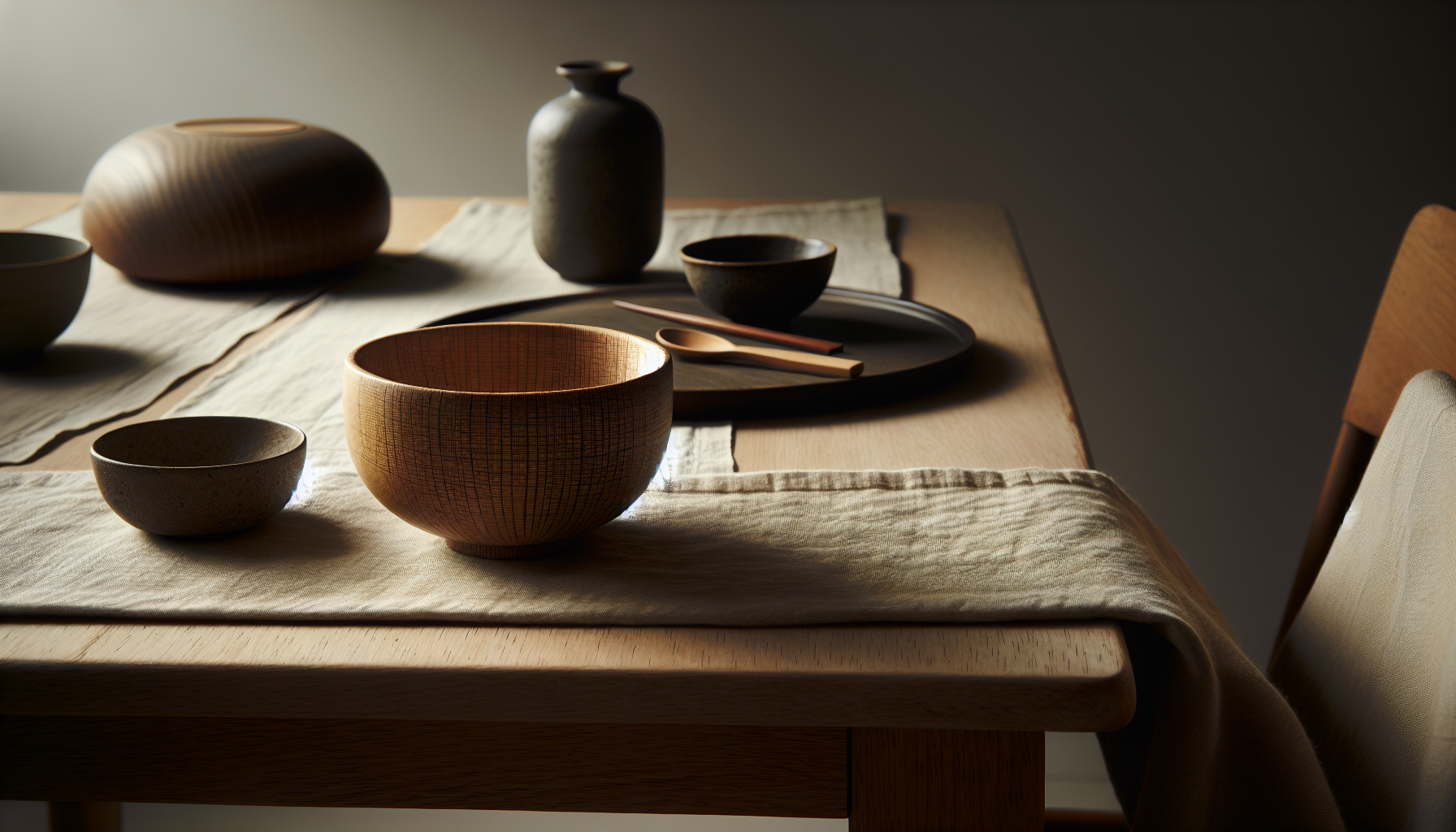
Have you ever wondered whether Japandi is more modern or more timeless?
Japandi: Finding Modern Expressiveness in Timeless Forms
Japandi blends the restrained elegance of Japanese design with the functional warmth of Scandinavian aesthetics. You’ll find it emphasizes simplicity, craftsmanship, and natural materials, creating spaces that feel both contemporary and enduring. This article will help you understand where Japandi sits on the spectrum between modern and timeless, and how you can adopt its principles in your own home.
What is Japandi?
Japandi is a hybrid interior design style that merges Japanese wabi-sabi principles with Scandinavian minimalism. You’ll notice clean lines, muted color palettes, and a focus on natural textures and craftsmanship. The result is a calming, uncluttered environment that values function and beauty in equal measure.
Origins of Japandi
The style arose from a cultural and aesthetic intersection between Nordic design’s practicality and Japanese tradition’s reverence for imperfection. You’ll see influences from mid-century Scandinavian furniture and traditional Japanese interiors, both of which emphasized simple, thoughtful living. Its rise in popularity corresponds with increased interest in sustainable, mindful living.
Core Principles
Japandi is guided by a few core principles: simplicity, utility, natural materials, and a balance of light and shadow. You’ll notice an emphasis on quality over quantity, a preference for handcrafted items, and a restrained decorative approach that accentuates functional objects. These principles help the style remain versatile and resilient over time.
Is Japandi Modern or Timeless?
Japandi comfortably occupies both categories: it’s modern in its adaptability and contemporary sensibility, and timeless in its commitment to enduring materials and restrained aesthetics. You’ll find that its core elements—natural materials, minimal forms, and craftsmanship—allow it to feel current while remaining resilient to trends. Because Japandi draws from historical traditions and modern design thinking, it resists faddish cycles.
Why it feels modern
Japandi feels modern because it emphasizes open, airy spaces, multifunctional furniture, and a minimalist approach that suits contemporary living. You’ll appreciate its flexibility for small urban apartments, remote work setups, and multifaceted living areas. Its aesthetic also aligns with current interests in sustainability and mindful consumption.
Why it feels timeless
At the same time, Japandi uses materials and design strategies that have been around for centuries—wood joinery, tatami-inspired textures, neutral palettes, and handcrafted objects. These elements don’t age quickly, so you’ll find the style retains visual coherence over decades. The restraint and focus on proportion keep it from appearing dated as decorative trends change.
A Practical Comparison: Modern vs Timeless Traits
The following table helps you see how Japandi maps to “modern” and “timeless” traits so you can decide which aspect matters most to your design goals.
| Trait | Modern (How Japandi reflects this) | Timeless (How Japandi reflects this) |
|---|---|---|
| Form | Clean lines, multifunctional furniture, efficient layouts | Simple silhouettes, classic proportions, understated details |
| Materials | Light woods, matte finishes, sustainable choices | Solid wood, natural fibers, durable craftsmanship |
| Color | Muted neutrals used with contrast accents | Long-lasting earthy and neutral palettes |
| Ornamentation | Minimal, purposeful decoration | Minimal ornamentation that ages well |
| Function | Adaptable to current lifestyles (home office, open plan) | Built for everyday living, repairable and enduring |
| Emotional effect | Contemporary calm, uncluttered mindset | Quiet warmth, long-term comfort and familiarity |
Visual Elements and Palette
You’ll want to get comfortable with the visual language of Japandi: restrained colors, tactile textures, and a strong sense of balance between emptiness and presence. These choices make a space feel curated but lived-in.
Color Palette
Japandi favors soft neutrals and warm muted tones. You’ll commonly see shades like warm whites, soft greys, charcoal, muted greens, and desaturated blues. Accent colors are subtle—think deep indigo, terracotta, or moss green—used sparingly to add depth.
Textures and Materials
Natural materials are central. You’ll find oak, ash, walnut, bamboo, linen, wool, paper, and unglazed ceramics. Texture creates interest in an otherwise minimal space: a nubby wool rug, a hand-thrown ceramic vase, or a woven grasscloth wall covering will provide tactile richness.
Light and Shadow
Light is treated as a design material. You’ll prefer soft, diffuse natural light when possible and layered artificial lighting for evenings. Paper lanterns, smeared-glass pendants, and concealed LED strips create gentle shadows that add warmth without clutter.
Furniture and Layout
Furniture in Japandi is functional and sculptural. You’ll select pieces that emphasize form and utility rather than ornate decoration. Layout tends to be open and intentional, encouraging movement and focus.
Key Furniture Characteristics
- Low-profile seating inspired by Japanese futons and Scandinavian lounge chairs.
- Solid wood dining tables with tapered legs or simple plinth bases.
- Storage solutions that conceal clutter while maintaining accessibility.
- Multipurpose furniture for modern needs (drop-leaf tables, built-in shelving).
Creating a Balanced Layout
You’ll arrange spaces to maintain negative space and allow each piece to breathe. Balance large furniture with open areas rather than filling every corner. Pay attention to sightlines and circulation so the room feels calm and purposeful.
Materials Guide
Below is a practical table of common Japandi materials and how they contribute to the aesthetic and longevity of the space.
| Material | Aesthetic contribution | Practical benefit |
|---|---|---|
| Oak, Ash, Walnut | Warm grain, natural variation | Durable, repairable, ages gracefully |
| Bamboo | Lightness, restrained pattern | Fast-growing, sustainable |
| Linen & Cotton | Soft, breathable textures | Washable, long-lasting |
| Wool | Nubby texture, warmth | Durable, insulating |
| Unglazed ceramic | Matte, earthy surface | Long-lasting, handcrafted look |
| Stone (soapstone, basalt) | Grounding accents, subtle veining | Heat-resistant, durable |
| Paper (shoji) | Soft light diffusion | Lightweight, replaceable panels |
Accessories and Decorative Objects
In Japandi, less is more, but what you do include should tell a story. You’ll prefer objects with tactile appeal and a sense of history: handmade pottery, woven baskets, a single framed art piece, or natural stone objects. Accessories should underscore the calm rather than compete for attention.
Choosing Artwork
You’ll select art that complements the room’s scale and palette. One large piece or a carefully curated small grouping often works better than many small, unrelated items. Prints or paintings with simple compositions, botanical studies, or abstract studies in muted tones fit well.
Textiles and Soft Furnishings
Textiles are an easy way to add warmth and texture. Choose cushions, throws, and rugs in natural fibers and restrained patterns. Layering textures—coarse wool over smooth linen—adds depth without clutter.
How to Make Japandi Work in Different Spaces
Whether you live in a small apartment or a larger home, Japandi can be adapted to suit your needs. You’ll focus on proportion, natural light, and multipurpose solutions.
Small Apartments
Prioritize multifunctional furniture and open sightlines. You’ll favor foldable or compact pieces, wall-mounted storage, and light-colored finishes to enhance perceived space. Minimalism helps reduce visual noise in a small footprint.
Family Homes
You’ll blend beauty with hard-wearing materials: stain-resistant linen blends, durable wool rugs, and solid wood furniture. Incorporate concealed storage to keep kid-related clutter out of sight while maintaining an elegant aesthetic.
Rental Spaces
Use non-permanent solutions like slipcovers, movable screens, and modular furniture. You’ll adopt lightweight wooden pieces, removable wallpaper, and easy-care textiles that allow you to adopt the Japandi look without permanent alterations.
Practical Tips for Achieving Japandi
You can bring Japandi into your home by following a few actionable steps focused on curation and restraint.
Declutter with Intention
Start by removing items that don’t serve a purpose or bring you joy. You’ll aim for surfaces that feel intentionally curated rather than wallpapered with objects. Keep only pieces that serve form and function.
Mix Wood Tones Carefully
You’ll be balancing lighter Scandinavian woods and darker Japanese influences. Use a consistent undertone—warm or cool—to maintain harmony, and anchor spaces with a dominant wood species while using others as accents.
Prioritize Craftsmanship
Invest in a few well-made pieces rather than many inexpensive ones. You’ll appreciate the tactile quality of joinery and the longevity of solid wood. Handcrafted items also help the space feel personal and unique.
Add Organic Shapes
Soften the minimalism with organic shapes—rounded edges on furniture, pebble-like ceramic objects, or flowing textiles. These shapes add comfort and human presence without overwhelming simplicity.
Sustainability and Longevity
Japandi naturally aligns with sustainable practices. You’ll focus on ethical materials, local craftsmanship, and items that age gracefully and are repairable.
Durable Choices
Choose items that can be repaired or refinished. Solid wood furniture, natural fiber rugs, and ceramic objects generally offer the best longevity. This lowers long-term consumption and supports the timeless aspect of the style.
Ethical Sourcing
You’ll look for furniture made from sustainably harvested wood, recycled materials, or vendors who disclose their supply chain. Preferring quality over quantity also supports ethical consumption.
Common Mistakes and How to Avoid Them
Adopting Japandi can be straightforward if you avoid a few pitfalls. You’ll want to be mindful of over-minimalism, mismatched wood tones, and ignoring practical needs.
Over-Minimalism
If you remove too much, spaces can feel cold or impersonal. You’ll balance minimalism with warm textures and a few meaningful objects to keep the environment welcoming.
Mismatched Elements
Randomly combining too many styles defeats the cohesive nature of Japandi. You’ll stick to the core palette and materials and ensure furniture scale and proportions work together.
Neglecting Comfort
A room can be beautiful but unusable if it sacrifices comfort. You’ll prioritize ergonomics and tactile warmth—cushions, throws, and seating comfort are essential.
Case Studies: Real-World Japandi Applications
Seeing how others interpret Japandi can help you find your own expression. Below are short case studies showing different approaches.
Urban Studio
A studio apartment uses a light oak platform bed, a low sofa with clean upholstery, and a folding dining table to maximize space. You’ll notice a neutral palette with one deep green accent and a hand-thrown pot as a focal point. The result feels airy and intentional.
Family Living Room
A family home combines a robust walnut dining table, washable linen slipcovers for the sofa, and a low-profile media cabinet with hidden storage. You’ll see layered rugs to define zones and a rotation of ceramics on open shelving. The space balances durability and refined aesthetics.
Minimal Retreat
A countryside cottage emphasizes tatami-style flooring, sliding shoji-inspired screens, and a small tea corner with handcrafted vessels. You’ll experience a meditative atmosphere with controlled light and a strict, neutral palette.
Costs and Budgeting
Japandi can be adapted to almost any budget, but the emphasis on quality means costs can rise if you insist on premium materials. You’ll balance investments by prioritizing key pieces and mixing high and low elements.
Where to Invest
Allocate budget to a solid sofa or a durable dining table—items you’ll use every day. You’ll also invest in rugs and lighting that set the mood for the room. Accessories and decor can be added over time.
Where to Save
You can save on decorative objects by sourcing vintage pieces, supporting local artisans, or selecting affordable natural-fiber textiles. Replaceable elements like cushions and small ceramics are good places to economize.
Maintenance and Care
Maintaining a Japandi interior is straightforward thanks to the emphasis on quality and natural materials. You’ll regularly dust, treat wood and textiles appropriately, and care for ceramics and stone as needed.
Wood Care
Use mild cleaners and avoid harsh chemicals. Periodically oil or wax wood surfaces as recommended by the manufacturer to preserve finish and patina. You’ll also use coasters and placemats to avoid stains.
Textile Care
Follow specific washing instructions for linen, wool, and cotton. You’ll air natural fibers when possible and spot-clean stains promptly. Rotating rugs and cushions prolongs lifespan and maintains appearance.
Trends and Longevity of the Style
Japandi has grown in popularity and shows signs of long-term adoption because it addresses deeper cultural shifts: sustainability, mindfulness, and a desire for calmer spaces. You’ll likely see elements of Japandi persist in hybridized styles even as specific trends evolve.
How It Evolves
Expect subtle variations: warmer palettes, bolder accents, or a slightly more maximalist Japandi for collectors who appreciate both restraint and personal expression. But the core—natural materials, clean lines, and thoughtful restraint—remains stable.
Frequently Asked Questions
Here are common questions you might have when considering Japandi for your home.
Can Japandi work in small spaces?
Yes. Japandi’s emphasis on simplicity and multifunctional furniture makes it ideal for small spaces. You’ll benefit from open sightlines and smart storage.
Is Japandi expensive to achieve?
Not necessarily. You’ll spend more on longevity and craftsmanship if you choose, but you can adopt the aesthetic through careful curation and budget-friendly swaps like secondhand finds and DIY finishes.
How do you add personality to Japandi?
Introduce personal items that fit the palette and textures—family ceramics, a favorite artwork in muted tones, or a collection of books. You’ll keep the overall scheme calm while showcasing meaningful objects.
How does Japandi differ from Scandinavian or Japanese styles alone?
Japandi mixes Scandinavian warmth and functionality with Japanese restraint and natural imperfection. You’ll notice a balance between cozy hygge influences and serene wabi-sabi sensibilities.
Final Thoughts: Making Japandi Your Own
Japandi isn’t strictly modern or strictly timeless—it’s both. You’ll find modern utility and adaptability wrapped in a timeless respect for materials, proportion, and craftsmanship. That balance is what makes Japandi so appealing: it caters to contemporary lifestyles while creating spaces that age well and feel personally meaningful.
If you’re aiming for a space that is serene, functional, and elegantly simple, Japandi gives you tools to achieve that in a way that lasts. Start with small changes—decluttering, adding natural textiles, or selecting one handcrafted piece—and allow your space to evolve with intentionality and care.