
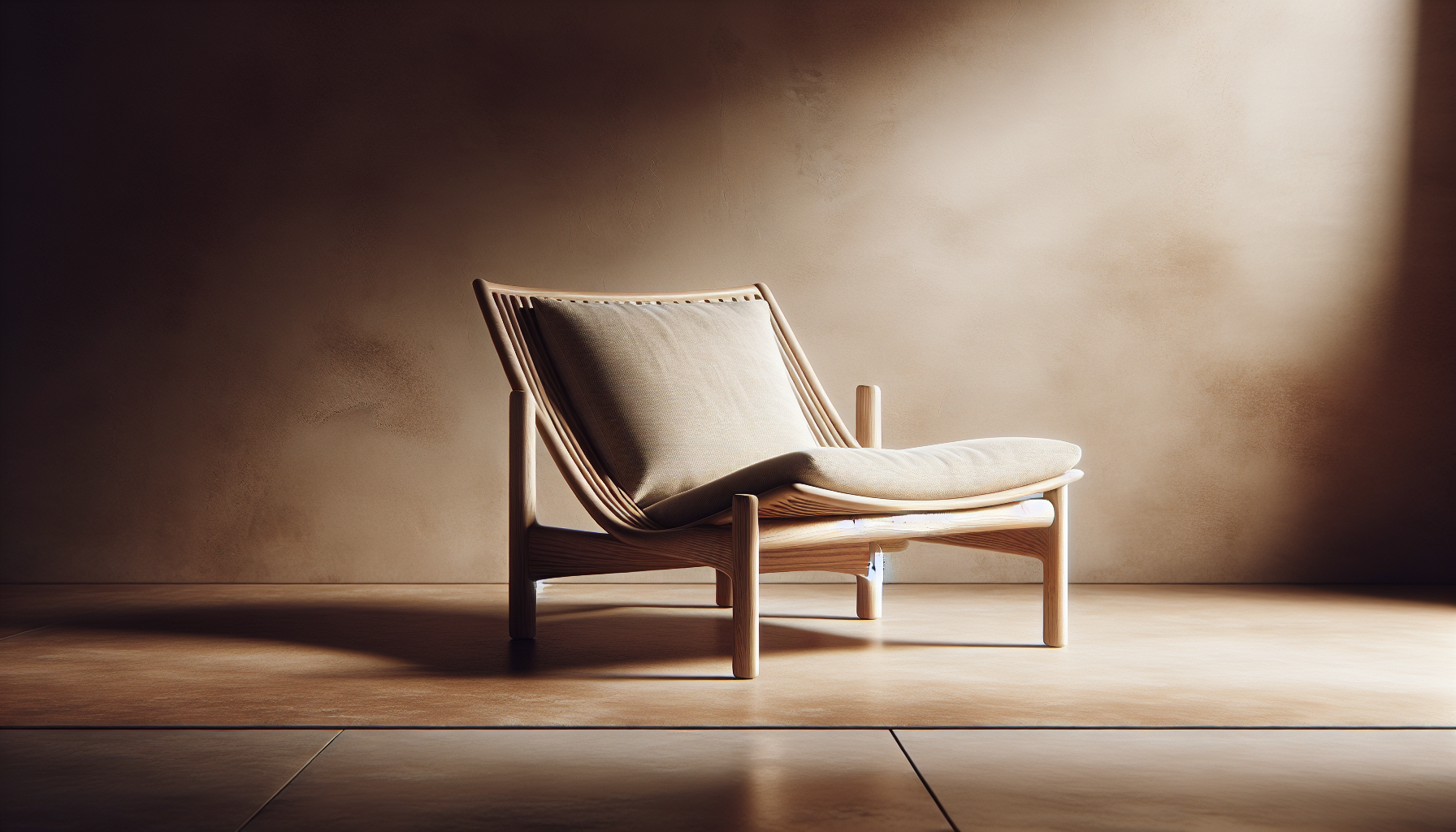
?Is Japandi considered modern or timeless?
Japandi Design Between Modern and Timeless
Japandi blends Japanese and Scandinavian design philosophies into a single aesthetic that balances minimalism, warmth, and functionality. You’ll find that its look can read as either modern or timeless depending on how you apply materials, furnishings, and color choices.
What is Japandi?
Japandi is a hybrid style that merges the clean, functional lines of Scandinavian design with the restrained, natural, and wabi-sabi influenced sensibilities of Japanese interiors. You’ll notice an emphasis on simplicity, craftsmanship, and materials that age gracefully.
Origins: Japanese and Scandinavian Roots
The style draws from Japan’s tradition of restraint, natural materials, and an appreciation for imperfection, paired with Scandinavia’s focus on light, comfort, and usability. Understanding both roots helps you decide which elements to amplify when aiming for a modern or timeless feel.
Core Principles of Japandi
Japandi rests on a few consistent ideas: minimal clutter, honest materials, muted palettes, and human-centered design. These principles give you a flexible foundation that can skew more contemporary or more classic based on your choices.
- Minimalism and restraint
- Natural materials and textures
- Neutral, subdued color palettes
- High emphasis on craftsmanship
- Function-driven furniture and layouts
- Respect for negative space and balance
Modern vs Timeless: Definitions and Criteria
Before you decide how to style your space, it helps to be clear on what “modern” and “timeless” mean in interior design terms. That clarity will guide the selections you make and the compromises you accept.
What “Modern” Means in Interiors
Modern design emphasizes current, often minimal forms that feel new, simple, and sometimes experimental. You’ll see clean geometries, up-to-date materials, and a visual language that speaks to contemporary tastes.
What “Timeless” Means in Interiors
Timeless design is built around elements that remain attractive across decades: enduring proportions, high-quality materials, and restrained color schemes that resist trend cycles. If longevity matters to you, you’ll lean into this approach.
Quick Comparison Table: Modern vs Timeless
| Characteristic | Modern | Timeless |
|---|---|---|
| Form | Sleek, sometimes experimental | Classic, balanced proportions |
| Materials | Can include trendy composites or finishes | Natural, age-well materials (wood, stone) |
| Color | Bolder contrasts or more up-to-date hues | Neutral, subdued palettes |
| Ornamentation | Minimal, sometimes geometric accents | Minimal to moderate, purposeful details |
| Lifespan | Reflects current design trends | Designed to remain relevant long-term |
| Fit with Japandi | Often aligns with Japandi minimalism | Aligns with Japandi craftsmanship and materials |
How Japandi Aligns with Modern Design
Japandi’s simplified forms, uncluttered layouts, and low-profile furniture can read as distinctly modern. If you favor geometric lighting, monochrome accents, or contemporary materials like matte black metal, your Japandi will skew modern.
Clean Lines and Minimalism
You’ll notice straight, functional lines in furniture and architecture, which pair naturally with contemporary interiors. When you emphasize minimal silhouettes and negative space, the result feels fresh and modern.
Modern Materials and Accents
Introducing modern finishes—such as matte black hardware, industrial lighting, or architectural metal details—will push Japandi toward a current aesthetic. These accents feel contemporary while maintaining the style’s restrained sensibility.
How Japandi Aligns with Timeless Design
The preference for solid wood, artisanal craftsmanship, neutral palettes, and human-scale proportions gives Japandi a strong capacity to feel timeless. When you focus on materials that age gracefully and avoid faddish details, your space will feel enduring.
Natural Materials and Craftsmanship
You’ll often see oak or walnut, hand-thrown ceramics, and linen textiles that wear well with time. These materials impart a sense of permanence and warmth, creating rooms that remain appealing as trends change.
Subtlety and Restraint
By avoiding stark trend-based decisions—such as flashy color-blocking or overly ornate features—you’ll allow the core elements of form and material to hold up for years. Subtlety is a powerful tool for achieving timelessness.
When Japandi Feels Modern
Your Japandi space will feel modern when you emphasize minimalism in form and introduce contemporary accents. Think low-profile sofas with crisp lines, monochrome accessories, and open-plan layouts that read as current and stylish.
Contemporary Furniture and Technology
Integrating visibly modern furniture silhouettes or technology-friendly elements (hidden cabling, integrated smart lighting) will give your space a current edge. Choosing statement modern light fixtures can also tilt the balance toward modern.
Bold, Contemporary Accents
A single bold accent—such as a sculptural lamp or a geometric rug—can make Japandi feel intentionally current. These accents should remain limited so they don’t overwhelm the style’s inherent calm.
When Japandi Feels Timeless
To achieve a timeless look, you’ll prioritize materials and proportions that don’t chase trends. Select pieces with craftsmanship, avoid overly trendy patterns or colors, and layer texture rather than loud ornamentation.
Investment in Quality Pieces
When you select furniture built to last—solid joinery, time-tested forms, and natural materials—you’ll secure a foundation that remains relevant. These pieces become familiar anchors that age gracefully with your space.
Neutral Palettes and Subtle Patterning
Relying on calm, nature-inspired tones and minimal patterning helps your Japandi interior feel like it could belong to any decade. Natural texture and tonal variation add depth without calling attention to a specific era.
Practical Tips to Make Japandi Look Modern or Timeless
Your choices in furniture, finishes, and accessories will determine whether your Japandi leans modern or timeless. Use this set of targeted strategies to guide each decision.
Design Choices That Push Towards Modern or Timeless
| Design Element | Make it Modern | Make it Timeless |
|---|---|---|
| Furniture silhouette | Crisp geometries, thin metal legs | Solid wood, gentle curves, classic proportions |
| Metal finishes | Matte black, brass with matte treatment | Brushed brass, aged patina, muted metals |
| Color palette | High-contrast neutrals, occasional bold accents | Soft neutrals, layered warm tones |
| Lighting | Sculptural, statement pendants | Warm, diffused fixtures, layered lighting |
| Accessories | Graphic art, sculptural modern pieces | Handcrafted ceramics, woven textiles |
| Textiles | Smooth linens with graphic prints | Natural linens, wool, subtle patterns |
| Flooring | Polished concrete, large-format tiles | Hardwood, wide planks, natural stone |
| Technology | Exposed smart devices, modern integrated systems | Hidden tech, discreet integration |
Room-by-Room Guidelines
Applying Japandi successfully requires attention to function and mood in each room. These room-specific tips will help you create consistent, well-balanced spaces.
Living Room
Your living room should prioritize comfortable seating and open breathing space, with furniture that invites conversation and rest. Choose a low sofa, a wooden coffee table, and a single statement rug; keep electronics integrated discreetly.
Practical tips:
- Use a neutral sofa and add texture with throws and cushions.
- Anchor the room with a wooden or stone focal point.
- Keep surfaces uncluttered and sensory elements tactile.
Kitchen
In the kitchen, functionality and craftsmanship matter most, so select cabinetry and counter materials that are both durable and beautiful. You’ll prefer clean cabinetry lines, open shelving with curated ceramics, and matte hardware for a restrained look.
Practical tips:
- Prioritize natural stone or matte surfaces for counters.
- Use wood open shelving to display simple dishware.
- Keep appliance finishes cohesive and minimal.
Bedroom
Aim for restful simplicity: muted tones, soft textiles, and a platform bed with clean geometry. Focus on storage solutions that keep clutter out of sight to preserve calm.
Practical tips:
- Choose linen bedding in neutral tones.
- Add a wooden bedside table with a curated lamp.
- Use layered lighting for atmosphere.
Bathroom
Your bathroom should feel spa-like and serene. Stick to natural stone or ceramic tiles, warm wood accents where possible, and minimal hardware to maintain the style’s calm.
Practical tips:
- Use warm-toned tile or stone and large-format tiles to minimize grout lines.
- Select simple fixtures and add natural textiles for softness.
- Keep countertops clear to emphasize restorative space.
Entry and Hallways
Entries should communicate the style from the first step: simple storage, a wooden bench, and a single piece of art or a mirror. Let functionality guide decisions—storage must be convenient and visually unobtrusive.
Practical tips:
- Add a shallow bench or console for dropping keys.
- Use hooks or concealed storage instead of crowded shelving.
- Make the entry palette consistent with adjacent rooms.
Home Office
The home office benefits from functional furniture, good lighting, and distraction-minimizing storage. A clean desk, ergonomic chair, and wooden shelving will keep your focus and the aesthetic aligned.
Practical tips:
- Keep technology tidy with cable management.
- Choose a desk with adequate storage to avoid clutter.
- Bring in a plant or textured object to humanize the workspace.
Materials, Colors, and Textures
Your material choices are central to whether Japandi skews modern or timeless. Prioritize materials that age well and provide sensory richness.
Wood Types and Finishes
You’ll find light oaks, teak, or walnut frequently used in Japandi interiors. Prefer simple, honest finishes over high-gloss lacquers; oils and matte varnishes protect while keeping a natural look.
Stone, Ceramics, and Metal
Natural stone and hand-thrown ceramics amplify an artisanal feel that reads as timeless. Incorporate metal sparingly—matte black for modern accents, or warm, brushed brass for a more classic touch.
Color Palette
Stick with a muted base palette—soft whites, warm beiges, muted greys, and gentle greens or blues. Use accent colors sparingly and thoughtfully so they support longevity rather than define a moment.
Textures and Fabrics
Tactile textiles like linen, wool, and cotton add warmth and depth without visual clutter. Layer textures rather than patterns to create visual interest that doesn’t date quickly.
Furniture and Layout Principles
How you arrange furniture and the scale of pieces will determine both usability and aesthetic feel. Japandi emphasizes human scale, circulation, and purpose.
Scale and Proportion
Choose furniture that fits your room’s proportions—low seating and modest-scale tables often work well. You’ll avoid oversized, fussy pieces that dominate the space and reduce openness.
Storage and Functionality
Hidden storage is a Japandi hallmark; it keeps surfaces calm and emphasizes form over noise. Opt for multifunctional furniture—benches with storage, low sideboards—that serve your daily needs.
Choosing Signature Pieces
One or two well-made, sculptural pieces can anchor the room without competing with the style’s restraint. Let these items be timeless in construction, even if their silhouettes feel contemporary.
Lighting and Accessories
Lighting defines mood and accentuates materials in Japandi interiors. Your accessory choices should feel intentional and restrained.
Natural Light and Windows
Maximize natural light where possible with simple window treatments—linen panels or light-filtering shades. This supports the style’s airy, calming character.
Layered Lighting
Combine ambient, task, and accent lighting for flexibility. Warm bulbs and dimmers help maintain an inviting atmosphere whether the space reads modern or timeless.
Accessories and Art
Select a few curated objects: a hand-thrown vase, a woven basket, or a framed monochrome print. You’ll avoid clutter by rotating objects seasonally rather than filling every surface.
Sustainability and Longevity
Japandi’s emphasis on good materials and quality construction aligns well with eco-friendly and sustainable living values. Prioritizing durability reduces waste and supports long-term cost-effectiveness.
Choosing Sustainable Materials
Look for FSC-certified wood, low-VOC finishes, and natural fibers that biodegrade or recycle. You’ll extend the life of your pieces by selecting materials that can be repaired, refinished, or reupholstered.
Maintenance and Repair
Maintain wood with oils and avoid harsh cleaners on natural textiles to keep materials performing well. When a piece shows wear, opt for repair over replacement to preserve integrity and reduce environmental impact.
Common Mistakes and How to Avoid Them
Even with a restrained style like Japandi, you can make choices that undermine the intended effect. Being mindful avoids common pitfalls.
| Common Mistake | Why it’s a problem | How you fix it |
|---|---|---|
| Over-cluttering | Destroys the calm minimalism | Reduce items, add concealed storage |
| Using synthetic, low-quality materials | Looks cheap and ages poorly | Invest in solid wood and natural textiles |
| Too many contrasting styles | Causes visual confusion | Stick to a cohesive palette and material set |
| Heavy ornamentation | Breaks the restrained aesthetic | Opt for single, sculptural pieces |
| Ignoring scale | Makes rooms feel awkward | Measure and choose pieces that match room size |
Cost and Budget Considerations
Japandi ranges from budget-friendly to high-end depending on material and craftsmanship choices. You’ll save by mixing splurge pieces with smart, affordable finds.
Where to Spend and Where to Save
Spend on structural pieces—sofas, solid wood tables, and quality beds—as these define comfort and longevity. Save on accessories, basic textiles, and some lighting by choosing well-reviewed budget options.
Secondhand and Upcycling
Used furniture and refinished antiques can be especially effective in Japandi interiors, offering quality construction and unique character. Look for sturdy frames and opt for reupholstery or refinishing to match your palette.
Mixing Japandi with Other Styles
You can combine Japandi with mid-century modern, rustic, or contemporary styles for more personality. The key is restraint: let materials and proportions guide the blend rather than clashing motifs.
Pairing with Mid-Century Modern
You’ll find mid-century shapes complement Japandi’s low profiles and simple forms. Choose mid-century pieces in natural wood to maintain coherence.
Pairing with Rustic or Industrial
Introduce rustic textures or subtle industrial accents only in measured doses—a steel lamp or a reclaimed wood table can add character without breaking the calm. Balance remains essential.
Case Studies and Practical Scenarios
Seeing how Japandi plays out in real contexts can help you visualize choices and outcomes for your home.
Small Apartment — Modern Leaning
In a compact urban apartment, choose modular, low-profile furniture, matte black accents, and light-reflecting surfaces to amplify space. This configuration reads modern while maintaining Japandi’s core calm.
Family Home — Timeless Leaning
For a family home, invest in solid wood dining tables, washable linen cushions, and durable flooring like hardwood. These choices support timelessness and practicality, giving the home lasting appeal.
Luxury Renovation — Balanced Approach
If you’re renovating a high-end property, combine custom joinery, stone countertops, and bespoke lighting to mix contemporary details with handcrafted elements. This keeps the aesthetic both fresh and enduring.
Maintenance and Care
Keeping a Japandi interior looking its best requires simple, routine care that respects natural materials.
Wood Care
Clean with a soft cloth and use appropriate oils or waxes according to manufacturer recommendations. Avoid long-term exposure to water and direct sunlight to prevent warping or fading.
Textile Care
Rotate cushions, air out rugs, and follow cleaning instructions for linens and wool. Spot clean promptly and consider professional cleaning for larger items.
Ceramics and Stone
Handle hand-thrown ceramics with care and use coasters to avoid staining. For stone surfaces, sealants may be needed depending on the material—follow specialist guidance.
Frequently Asked Questions (FAQs)
These common questions will help clarify practical concerns you might have as you apply Japandi principles.
Q: Can Japandi work in a very small space? A: Yes. Japandi’s emphasis on compact furniture, multi-functional pieces, and minimal clutter makes it excellent for small spaces. Prioritize storage and light-colored surfaces to make the area feel larger.
Q: How do I keep my Japandi room from feeling cold? A: Add warm textures—wool throws, woven rugs, and warm wood tones—to balance minimalism with comfort. Soft lighting and layered textiles will make the room inviting.
Q: Can you mix bright colors into Japandi? A: You can, but use bright colors sparingly as accents rather than dominant elements. A single bold cushion, a piece of art, or a small accessory works best without undermining the style’s restraint.
Q: Are synthetic materials incompatible with Japandi? A: Synthetic materials can be used, especially when they’re well-made and mimic natural textures, but natural materials generally deliver the authentic warmth and longevity associated with Japandi.
Q: How often should I refresh accessories? A: Rotate or change accessories seasonally or every few years if you want subtle updates. Keeping large pieces consistent preserves the sense of timelessness.
Final Verdict: Modern, Timeless, or Both?
Japandi is inherently flexible and can be styled to feel modern, timeless, or sit comfortably between the two—depending on the choices you make. If you prioritize contemporary finishes, geometric accents, and sleek details, your space will read modern; if you emphasize artisanal materials, classic proportions, and quiet restraint, it will read timeless. Most powerfully, Japandi allows you to combine both virtues: a home that feels current today and equally appealing years from now.
If you want guidance for your particular space, consider the pieces you use most and whether you prefer to invest in enduring craftsmanship or more contemporary statement items. That choice will shape whether your Japandi interior leans modern, timeless, or harmoniously both.