
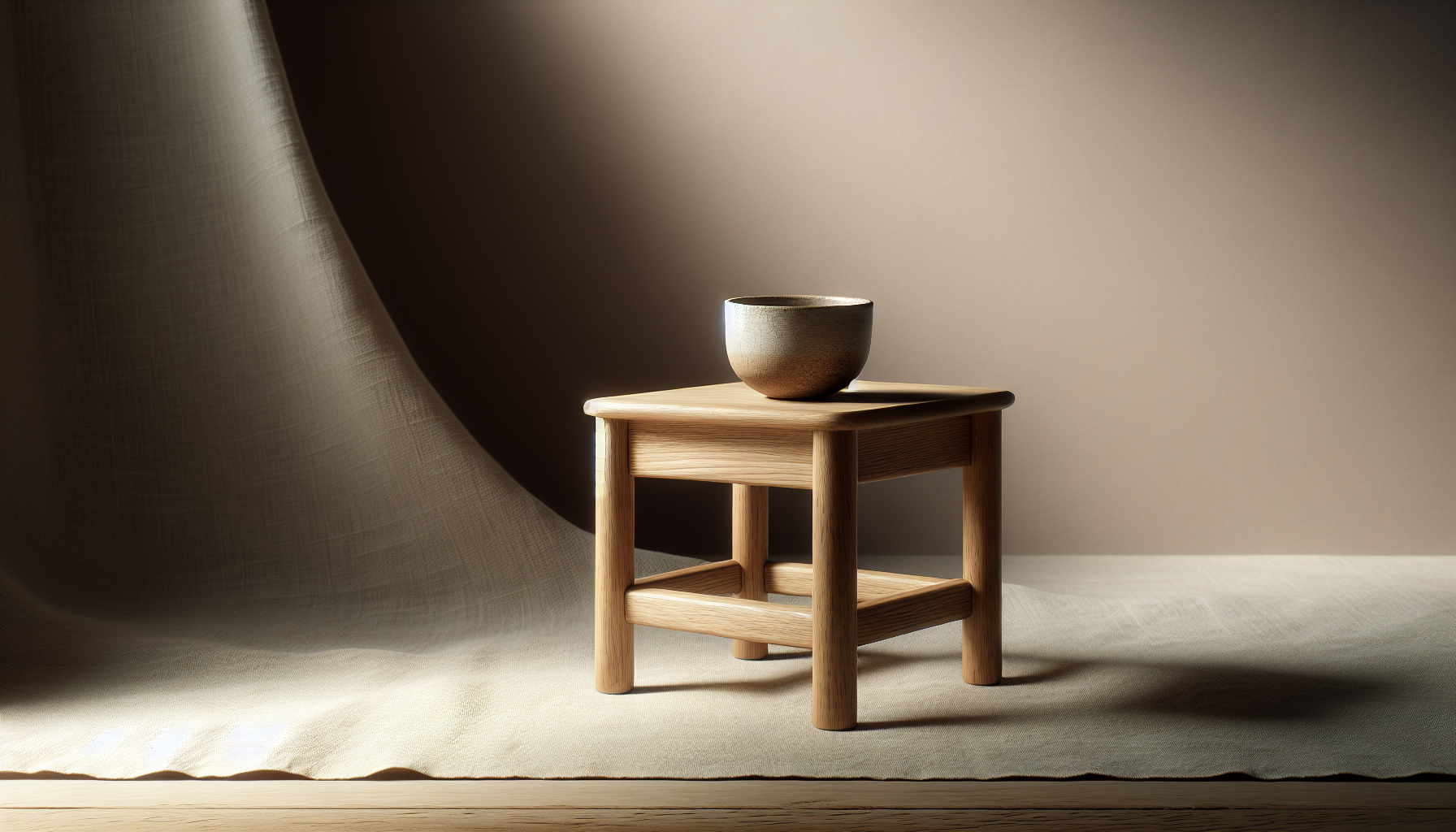
Do you wonder whether Japandi is considered modern or timeless?
Is Japandi Considered Modern or Timeless
You’re asking a question that many people who love interior design are asking: is Japandi a passing trend or a design language that will endure? You’ll find that the answer isn’t strictly one or the other — Japandi blends contemporary sensibilities with enduring principles, so it can be experienced as both modern and timeless depending on how you use it.
What is Japandi?
You should understand Japandi as a hybrid aesthetic that merges Japanese minimalism with Scandinavian warmth and functionality. The result is a restrained, uncluttered look that emphasizes craftsmanship, natural materials, muted color palettes, and a human scale that feels calming and purposeful.
Origins and Influences
You’ll trace Japandi’s roots to two distinct cultural design traditions: Japanese wabi-sabi and Scandinavian functionalism and hygge. These traditions share values like simplicity, utility, and a respect for natural materials, which made their fusion a natural development in contemporary interior design.
Core Principles of Japandi
You’ll notice a few consistent principles that define Japandi: simplicity, quality, functionality, and a focus on natural materials and textures. These principles guide choices about furniture, color, lighting, and spatial planning, so the room feels cohesive and thoughtfully curated.
Aesthetic Characteristics
When you look at Japandi spaces, you’ll see clean lines, uncluttered surfaces, and an emphasis on calm, neutral palettes. The aesthetic balances the serenity and understatement of Japanese interiors with the light, cozy, and practical sensibilities of Scandinavian design.
Key Visual Traits
You’ll recognize Japandi by its low-profile furniture, simple geometric forms, and thoughtfully placed accents that never overwhelm the room. The emphasis is on proportion, negative space, and visual rest.
Mood and Atmosphere
You’ll feel a sense of quiet comfort in a Japandi room, because this style aims to reduce visual noise and promote calm. The atmosphere is intentionally inviting without being decorative for decoration’s sake.
Materials and Textures
You’ll work with materials that age gracefully and feel tactile: timber, stone, linen, wool, and ceramics. These materials create a sensory richness that compensates for the minimal ornamentation.
Wood and Joinery
You’ll often see light woods from Scandinavian influence alongside darker woods and joinery details from Japanese influence, both chosen for their grain, warmth, and durability. Quality joinery often becomes a subtle focal point.
Textiles and Soft Finishes
You’ll use linens, wools, and natural cottons to add softness and acoustic comfort without introducing busy patterns. Textures in neutral tones are a core part of the layered, cozy feel.
Color Palette
You’ll typically choose subdued, earthy tones for Japandi interiors: soft whites, warm beiges, muted greens, clay, and charcoal. Color is used sparingly, often as an accent rather than the focal point.
Accent Colors and Contrast
You’ll add contrast through materials or a single accent color, such as indigo, moss green, or terracotta, rather than complex color schemes. This restraint helps the space feel coherent and timeless.
Furniture and Layout
You’ll favor furniture with simple silhouettes, comfortable proportions, and durable construction. Layouts prioritize function and flow, often with open floorplans or clear sightlines to let negative space breathe.
Scale and Proportion
You’ll select furnishings scaled to human comfort — lower seating, modestly sized tables, and pieces that leave room for movement. Proportion is key to maintaining the calm, balanced aesthetic.
Multipurpose and Practical Pieces
You’ll prioritize furniture that has a purpose: storage that doubles as seating, tables that are functional and sculptural, and pieces that won’t feel dated quickly because they’re well-built and useful.
Lighting and Accessories
You’ll rely on natural light whenever possible and supplement with simple, warm artificial lighting. Accessories are few but chosen for their craftsmanship and emotional resonance rather than trendiness.
Natural Light and Fixtures
You’ll make the most of daylight and use pendant lights, paper shades, or minimalist metal fixtures to create warm pools of light. Lighting in Japandi is rarely flashy — it supports mood and function.
Art and Decorative Objects
You’ll pick artwork and objects that are restrained and intentional, often handcrafted ceramics, simple prints, or a few organic forms. The idea is to enhance the space without crowding it.
Functionality and Sustainability
You’ll find that Japandi places a premium on functionality and sustainable choices — long-lasting materials, local craftsmanship, and a “less but better” mindset. This makes the style both responsible and practical for everyday living.
Durable Materials and Local Craft
You’ll prefer materials and makers whose work ages well, because a key part of Japandi’s appeal is the beauty that comes with wear and time. Choosing durable pieces also supports the timeless aspect of the style.
Modern Aspects of Japandi
You’ll notice many modern qualities in Japandi: its clean lines, minimal visual clutter, and adaptability to contemporary living. These qualities make it feel current and suitable for modern apartments and smart homes.
Minimalism and Contemporary Aesthetics
You’ll associate Japandi with modern minimalism because it shares the pared-back aesthetic that many contemporary designers favor. The emphasis on light, space, and functional furniture aligns closely with modern interiors.
Technology and Modern Living
You’ll be able to integrate modern conveniences into Japandi easily because the design focuses on uncluttered surfaces and concealed storage, which help hide electronics and cables without sacrificing usefulness.
Trend Adoption and Popularity
You’ll see Japandi in current design magazines, blogs, and showrooms, which reinforces its modern image. Because designers and influencers often show updated versions, the style keeps feeling fresh.
Contemporary Adaptations
You’ll find Japandi adapted in various ways: mixed with industrial elements, softened with bohemian textiles, or paired with mid-century silhouettes. These adaptations keep the style evolving and relevant to different tastes.
Mixing with Other Styles
You’ll be able to combine Japandi with modern furniture, minimalist art, or even some eccentric vintage finds as long as you respect proportion and the underlying principles of restraint and craftsmanship.
Trendiness Versus Design Movement
You’ll understand that being “modern” often implies trendiness, while being “timeless” implies staying relevant across generations. Japandi occupies a unique position because it borrows from traditions that are decades-old and applies them in a contemporary, widely appealing way.
Timeless Aspects of Japandi
You’ll see many qualities that support Japandi’s claim to timelessness: its reliance on natural materials, thoughtful craftsmanship, and restrained decoration. These features don’t age rapidly because they’re rooted in functional, human-centered design.
Values Rooted in Tradition
You’ll find both Japanese wabi-sabi and Scandinavian functionalism are longstanding cultural design philosophies, and their shared values of modesty, utility, and material honesty make Japandi feel less like a fad and more like a continuation of proven design practices.
Focus on Craftsmanship and Quality
You’ll prioritize pieces that are handmade or well-constructed, which tend to look better with age. That commitment to craft makes a Japandi interior age gracefully rather than appear dated.
Longevity of Materials and Craft
You’ll benefit from choosing materials that patina or gain character over time — solid wood, brass, stone — because these age-related changes enhance the space’s authenticity. That’s a key reason Japandi can be timeless.
Repairability and Reuse
You’ll favor furniture that can be repaired, refinished, or repurposed instead of disposable pieces. This practical approach supports longevity and aligns with a timeless mindset.
Table: Japanese and Scandinavian Contributions to Japandi
You’ll find this table helpful to see what each tradition contributes at a glance.
| Design Aspect | Japanese Contribution | Scandinavian Contribution |
|---|---|---|
| Philosophy | Wabi-sabi, minimal ornament, reverence for imperfection | Hygge, functionality, human comfort |
| Color & Tone | Muted, natural, earthy tones | Light, airy neutrals and soft pastels |
| Materials | Dark woods, bamboo, ceramics, paper | Light woods, wool, linen, leather |
| Furniture | Low-profile, simple, often modular | Ergonomic, warm, practical |
| Decorative Approach | Sparse, symbolic objects, handcrafted | Cozy textiles, functional accents |
| Lighting | Soft, diffused light (paper lanterns) | Bright, daylight-focused, warm bulbs |
How Japandi Balances Modern and Timeless
You’ll see Japandi as a bridge between modernity and tradition because it applies time-tested principles within a restrained contemporary framework. The result is a style that feels current yet durable, adaptable yet anchored.
Proportion of Elements
You’ll often find rooms that lean one way or the other: some Japandi spaces emphasize Scandinavian brightness and modern simplicity, while others emphasize Japanese minimalism and wabi-sabi textures to achieve a more timeless feel.
The Role of Personalization
You’ll create a Japandi space that reflects your life and habits, which helps maintain its relevance. Personalization — in the form of well-chosen objects, plants, or heirloom pieces — can tip the scale toward timelessness.
Design Choices That Lean Modern
You’ll push Japandi toward a modern look by choosing very minimal silhouettes, integrated technology, high-contrast accents, and contemporary art. These choices make the style feel more current and less rooted in tradition.
Materials and Finishes for a Modern Edge
You’ll use matte metal finishes, concrete surfaces, and monochrome accents to push the aesthetic forward. These materials read as contemporary without necessarily contradicting Japandi’s core principles.
Design Choices That Lean Timeless
You’ll make the style feel timeless by investing in solid wood furniture, handmade ceramics, natural fibers, and a calm neutral palette that won’t show its age quickly. Such choices emphasize quality over novelty.
Curating for Longevity
You’ll choose pieces that can integrate into many design contexts over time, which helps the overall look remain relevant as tastes change.
Table: Features That Tilt Japandi Toward Modern or Timeless
You’ll find this quick-reference table useful when deciding how to steer the aesthetic.
| Feature | Tilts Toward Modern | Tilts Toward Timeless |
|---|---|---|
| Color choices | High-contrast, monochrome accents | Warm neutrals, earthy tones |
| Furniture silhouettes | Streamlined, angular | Classic, organic forms |
| Materials | Concrete, matte metals | Solid wood, natural textiles |
| Decorations | Bold contemporary art | Handcrafted, subtle objects |
| Technology | Visible smart devices, integrated systems | Concealed tech, analog warmth |
| Approach to trend | Accepts change faster | Prioritizes longevity |
How to Make Japandi Feel More Modern or More Timeless
You’ll control the perception of Japandi by small but intentional choices. Whether you want a crisp, contemporary feel or a warm, enduring one, adjustments to materials, color, art, and accessories will guide the outcome.
Tips to Emphasize Modern Japandi
You’ll choose cleaner lines, fewer textiles, sharper contrasts, and contemporary lighting. Consider integrated smart storage and minimalist art to accentuate a modern sensibility.
- Choose sofas and chairs with sharper profiles.
- Use black metal or matte brass details for contrast.
- Add large-scale contemporary art or sculptural lighting.
- Opt for concrete or polished surfaces sparingly.
Tips to Emphasize Timeless Japandi
You’ll focus on natural aging, hand-crafted pieces, and tactile layers. Invest in high-quality wood furniture, woven textiles, and ceramics that feel personal and enduring.
- Choose solid wood furniture with visible grain.
- Add linen curtains and wool throws for texture.
- Select ceramic or wood vessels as focal accessories.
- Use muted, warm color palettes that won’t date easily.
Room-by-Room Suggestions
You’ll find practical suggestions for each room to help you tailor Japandi toward modern or timeless.
| Room | Modern Japandi | Timeless Japandi |
|---|---|---|
| Living Room | Low-profile modular sofa, concrete coffee table, sculptural lamp | Solid oak sofa frame, linen upholstery, wooden coffee table, ceramic vase |
| Kitchen | Minimal cabinetry, matte metal hardware, open shelving | Wooden cabinets, stone countertop, handcrafted ceramics |
| Bedroom | Platform bed with clean lines, monochrome bedding, built-in lighting | Wooden bed with natural finish, linen bedding, soft layered textiles |
| Bathroom | Sleek fixtures, simple tile, hidden storage | Stone countertops, wooden vanity, woven baskets |
| Office | Minimal desk, cable management, task lighting | Solid wood desk, tactile accessories, functional storage |
Practical Considerations: Budget, Maintenance, Resale
You’ll want to think practically about cost, care, and future value when committing to Japandi. The style can be budget-friendly or high-end depending on the materials and pieces you choose.
Cost and Investment
You’ll spend more on well-made furniture and natural materials, but that investment can be justified by durability and resale appeal. You’ll find affordable options that capture the look through smart sourcing and selective upgrades.
Maintenance and Durability
You’ll maintain Japandi spaces by caring for wood surfaces, rotating textiles, and avoiding heavy decoration that traps dust. Many Japanese and Scandinavian materials are forgiving and can be refreshed rather than replaced.
Resale and Market Appeal
You’ll find Japandi appealing to a broad audience because its neutral palette and functional approach suit many tastes. That makes it a safe choice for resale or rental properties.
Common Misconceptions about Japandi
You’ll encounter misunderstandings that Japandi is cold, overly austere, or only for large, sunlit homes. In reality, Japandi can be warm, layered, and adapted to small spaces and various light conditions.
Not Just Minimalism
You’ll recognize that Japandi isn’t minimalism for minimalism’s sake; it balances simplicity with warmth and comfort. The absence of clutter doesn’t mean the absence of personality.
Not Exclusive or Expensive
You’ll be able to create Japandi on a modest budget by prioritizing a few high-impact pieces and combining them with affordable textiles and everyday items that fit the aesthetic.
Case Studies and Examples
You’ll benefit from seeing how Japandi is applied in real spaces: a small city apartment with multifunctional furniture, a family home with durable wooden surfaces, and a studio with minimalist finishes and a few handcrafted objects.
Small Apartment Example
You’ll set up a compact living area with a low sofa, nested tables, and a single tall plant. Multifunctional storage and light color schemes help the space feel airy and purposeful.
Family Home Example
You’ll choose durable wood dining tables, washable linen slipcovers, and rounded furniture to keep a family-friendly Japandi space comfortable and long-lasting.
Studio Example
You’ll design a studio with modular storage, impartial color blocking, and tactile ceramics to keep visual interest without visual clutter.
Final Verdict: Is Japandi Modern or Timeless?
You’ll conclude that Japandi is best understood as both modern and timeless — a modern interpretation of timeless principles. When you emphasize current materials and trends, Japandi reads as contemporary; when you invest in craft and neutral, enduring choices, it reads as timeless. The balance you strike determines where on the spectrum your space lands.
How to Decide What You Want
You’ll make choices based on how long you intend to keep the space, your personal aesthetic preferences, and practical constraints like budget and lifestyle. Ask whether you value immediate trendiness or long-term durability to guide your decisions.
Questions to Ask Yourself When Choosing Japandi
You’ll find these questions useful to hone your approach and make intentional choices:
- Do you want a look that changes with trends or one that remains steady?
- Which pieces are you willing to invest in for the long term?
- How much natural light does your space receive?
- Do you prefer cooler, brighter tones or warm, earthy hues?
- How much maintenance are you willing to do?
Frequently Asked Questions
You’ll find short answers to common queries about Japandi below.
- Is Japandi only for certain climates or regions? You’ll be able to adapt Japandi to any climate by adjusting materials and textiles — lighter linens for warm climates, wool and layered textiles for colder areas.
- Can Japandi work in small apartments? You’ll succeed in small spaces by choosing multifunctional furniture, light colors, and open sightlines that maximize perceived space.
- Is Japandi pet- and family-friendly? You’ll make Japandi family-friendly by selecting durable finishes and washable fabrics while maintaining the style’s clean lines.
- How do you add color without losing the Japandi feel? You’ll introduce color sparingly through textiles, artwork, and small objects in muted or earthy tones so the overall calm is preserved.
- How long will Japandi stay popular? You’ll likely see Japandi evolve rather than disappear because its foundations are rooted in enduring values and practical living.
Closing Thoughts
You’ll find that Japandi’s greatest strength is its flexibility: it can feel refreshingly modern or reassuringly timeless depending on how you compose materials, color, and objects. When you make intentional choices that reflect your lifestyle and values, Japandi becomes not just a style but a sensible approach to living well.
If you want, you can tell me which room you’re planning to redesign and whether you prefer a more modern or timeless outcome, and I’ll give you tailored suggestions for furniture, colors, and materials that match your goals.