
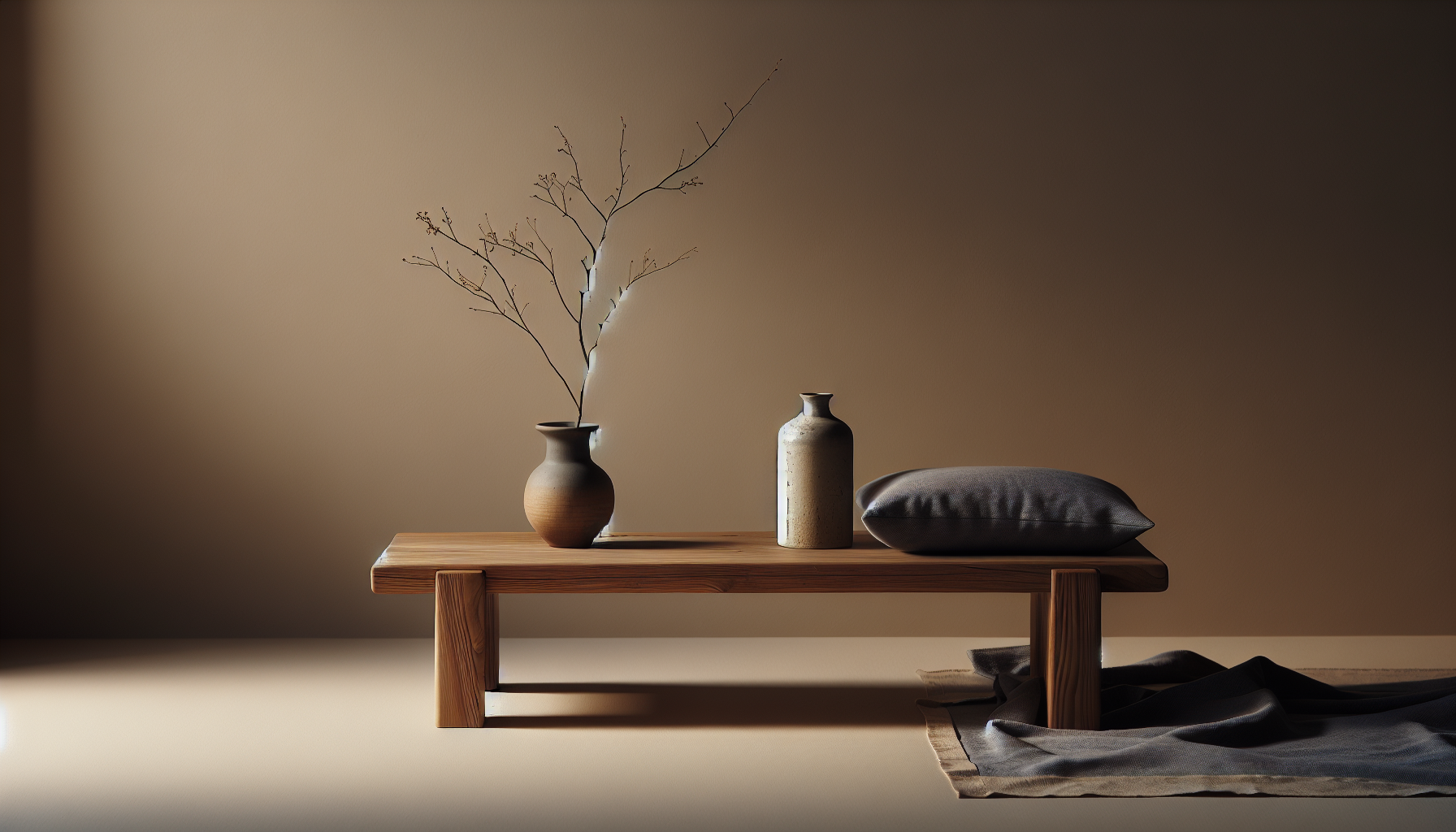
Can Japandi be considered modern, timeless, or both?
Japandi: Modern or Timeless Interior Style
Japandi blends the warmth and practicality of Scandinavian design with the quiet restraint and natural elegance of Japanese aesthetics. If you’re trying to decide whether Japandi is a short-lived trend or a design language that will stand the test of time, this article helps you figure out what makes it feel modern, why it can be timeless, and how to make it work in your home.
What is Japandi?
Japandi is a hybrid style that combines Japanese minimalism and wabi-sabi principles with Scandinavian hygge, functionality, and craftsmanship. You get clean lines, natural materials, muted colors, and a focus on utility and comfort. The result is calm, uncluttered interiors that feel intentional and lived-in.
This style is less about strict rules and more about balance: function meets quiet beauty. You’ll notice low-profile furniture, warm wood tones paired with matte finishes, and spaces that value honest materials and purposeful items.
Origins and influences
Japandi emerged from an appreciation for two cultural approaches to interiors. From Japan you get wabi-sabi, an acceptance of imperfection, and a preference for natural materials and simple forms. From Scandinavia you get functionality, warmth, and an emphasis on cozy simplicity.
Though its popularity as a named trend has grown in the 2010s and 2020s, the underlying philosophies have deep cultural histories. You can trace the Scandinavian love of natural light, efficient layouts, and well-made furniture to 20th-century design movements, while Japanese principles draw from centuries-old philosophies around craftsmanship and restraint.
Key principles of Japandi
These principles are the foundation you can use to make intentional choices in your home.
- Simplicity: You prioritize essentials and avoid visual clutter.
- Natural materials: Wood, stone, rattan, linen, and paper are common.
- Neutral, muted palette: Warm neutrals, soft greys, earthy tones, and deep greens or indigos used sparingly.
- Craftsmanship: Quality, well-made pieces with honest construction.
- Functionality: Everything has a purpose and supports daily life.
- Balance: A mix of warmth (Scandi) and restraint (Japanese), with contrasts in texture rather than color.
- Imperfection: Subtle irregularities and patina are embraced as character.
Japanese vs Scandinavian contributions
| Aspect | Japanese contribution | Scandinavian contribution |
|---|---|---|
| Philosophy | Wabi-sabi (beauty in imperfection), restraint, harmony with nature | Hygge (comfort), practicality, democratic design |
| Materials | Bamboo, unfinished wood, paper, stone, ceramics | Lighter woods (pine, ash), wool, linen, light metals |
| Forms | Low furniture, minimal ornament, sliding partitions | Functional forms, ergonomic seating, light and airy |
| Palette | Muted neutrals, deep indigo, earthy tones | Pale neutrals, soft pastels, warm wood tones |
| Decoration | Sparse, focus on void/negative space | Cozy textiles, warm lighting, curated accessories |
Is Japandi modern or timeless?
Short answer: Japandi can be both. Whether it reads more modern or timeless in your home depends on how you implement it. Below you’ll find reasons it leans both ways and how you can steer it toward the impression you want.
Why Japandi feels modern
- Minimal, uncluttered spaces match contemporary preferences for clean lines.
- Sleek silhouettes and low-profile furniture align with modern design language.
- Integration with technology can be seamless due to the focus on function and hidden storage.
- Contemporary materials and reinterpretations of traditional elements create a fresh look.
- Social media and design press have packaged Japandi as a current aesthetic, reinforcing its modern reputation.
You’ll sense modernity when you use sharp contrasts, polished finishes, and disciplined minimalism that reads like a curated showroom.
Why Japandi feels timeless
- Emphasis on quality materials and craftsmanship means pieces age gracefully.
- Neutral palettes and classic proportions avoid stylistic fads that date quickly.
- Focus on function and sustainability encourages long-term investment in pieces you keep.
- The acceptance of imperfections (wabi-sabi) develops character over time, making spaces feel authentic rather than trendy.
- The style pulls from time-tested cultural philosophies rather than a novelty.
You’ll feel timelessness when you prioritize durable materials, classic forms, and restraint in ornamentation. The outcome is a space that adapts with you instead of needing constant updates.
Practical comparison: modern vs timeless Japandi
| Feature | Modern Japandi | Timeless Japandi |
|---|---|---|
| Color accents | High-contrast accents, black metal | Soft, consistent neutrals, warm wood |
| Furniture finish | Matte lacquer, mixed metals | Natural, oiled or waxed wood |
| Textiles | Graphic patterns, bold throws | Linen, wool, muted textures |
| Accessories | Designer objects, statement art | Handmade ceramics, subtle wall pieces |
| Lighting | Architectural fixtures, track lighting | Paper lanterns, low-glow ambient lighting |
| Trend indicators | Strong social media references | Classic proportions, repairable pieces |
How Japandi achieves timelessness
If you want your Japandi interior to feel timeless, focus on three broad strategies:
- Invest in quality craftsmanship: Choose pieces that can be repaired, refinished, or reupholstered.
- Stick to a restrained palette: Neutrals and natural tones create a calm base that won’t feel dated.
- Prioritize proportion and function: Classic proportions and multipurpose furniture remain useful across eras.
When you pair honest materials with careful restraint, the design resists the visual temporal markers that date a room quickly.
How Japandi reads as modern
To tilt your Japandi toward a modern aesthetic, take these approaches:
- Use sharper contrasts and monochrome accents.
- Choose sleeker silhouettes and simple geometric lines.
- Integrate contemporary technology discreetly (hidden charging stations, built-in speakers).
- Opt for minimalist art or large-scale sculptural pieces.
Modern Japandi feels curated and slightly more conceptual; timeless Japandi feels lived-in and quietly confident.
Core elements to implement in your Japandi home
Below are tangible elements you can use to build or refine a Japandi look.
Materials and finishes
- Wood: Oak, walnut, teak for warmth; ash or pine for Scandinavian lightness. Prefer natural finishes like oil or wax.
- Textiles: Linen, wool, cotton in muted tones. Avoid glossy synthetics for key pieces.
- Stone and ceramics: Matte stone countertops or Japanese-style ceramics for authenticity.
- Metal: Brushed or matte black metal sparingly; warm brass can work if used minimally.
- Paper and rattan: Shoji-inspired screens, woven rattan chairs, and basketry for texture.
Color palette
Stick to a neutral backbone with accents. Example palette:
- Base neutrals: Warm white, taupe, soft grey.
- Wood tones: Honey oak, walnut.
- Accent colors: Deep indigo, forest green, terracotta (used sparingly).
- Metallics: Brushed black, aged brass (minimal).
Table: Suggested color uses
| Area | Typical base color | Accent suggestion |
|---|---|---|
| Walls | Soft warm white or pale grey | One wall in earthy beige or muted green |
| Floors | Natural wood or warm-toned tile | Neutral rugs with soft pattern |
| Large furniture | Light to medium wood tones | Upholstery in warm grey, beige |
| Small accessories | Natural hues | Deep indigo, terracotta sparingly |
Furniture and scale
- Low-profile seating and tables echo Japanese traditions.
- Simple Scandinavian chairs and functional storage pieces add practicality.
- Choose furniture with visible joinery or understated details for lasting appeal.
- Favor proportion over ornament: a large, well-made sofa instead of multiple cheap pieces.
Lighting
- Layer lighting: ambient, task, and accent.
- Use soft, diffused sources: paper pendants, frosted globes, low-wattage bulbs.
- Incorporate warm color temperatures (2700–3000K) to maintain a cozy yet calm atmosphere.
- Consider dimmers and hidden lighting to control mood.
Textiles and soft furnishings
- Keep patterns minimal; favor texture over prints.
- Use woven rugs, linen curtains, and wool throws to add depth.
- Choose cushions sparingly; think in odd numbers with varied textures.
Greenery and natural accents
- Select sculptural plants: bonsai, snake plant, or fiddle leaf fig.
- Use simple ceramic or earthenware planters.
- Incorporate wooden objects and woven baskets for tactile contrast.
Room-by-room guide
Below are specific strategies for each room so you can apply Japandi pragmatically.
Living room
Your living room should feel serene and functional. Choose a low sofa in a neutral fabric, a solid wood coffee table, and a simple credenza for storage. Keep surfaces relatively clear and let texture — a wool rug or woven throw — provide visual interest.
Tips:
- Create a focal point through a single large art piece or a carefully placed plant.
- Balance negative space with curated items rather than filling every shelf.
Kitchen
Kitchens in Japandi design emphasize clean lines, durable materials, and utility. Flat-front cabinetry in a warm wood or matte finish works well. Open shelving with neatly arranged ceramics shows off craftsmanship.
Tips:
- Use matte, honed stone for countertops if your budget allows.
- Keep hardware minimal: recessed pulls or simple brass handles.
Bedroom
The bedroom is about calm and rest. A low wooden bed, layered natural bedding, and minimal nightstands create a peaceful setting. Choose soft lighting and keep decor to a few meaningful items.
Tips:
- Use natural bedding in linen or cotton for breathability and texture.
- Incorporate a low bench or tatami mat for a Japanese touch.
Bathroom
Opt for neutral tiles, wooden vanities, and matte fixtures. Display folded towels and a single ceramic vase rather than many small items.
Tips:
- Consider open shelving for linens and a small tray to corral toiletries.
- Choose tactile surfaces like honed stone to feel natural underfoot.
Entryway
An entryway should be functional and uncluttered. A simple bench, a woven basket for shoes, and a wall hook or narrow console can make arrivals and departures efficient.
Tips:
- Use a durable washable rug to handle traffic.
- Keep coat storage hidden if possible to maintain visual calm.
Home office
Your office should support focus. A minimal desk, ergonomic chair, and good task lighting are key. Add a plant and a single art piece to personalise the space without overwhelming it.
Tips:
- Prioritize storage solutions that hide paperwork.
- Position your work surface to benefit from natural light when possible.
Materials, sourcing, and budgets
You can achieve Japandi on different budgets by balancing where you splurge and where you save.
- Splurge on: quality sofa, solid wood dining table, good lighting fixtures.
- Save on: accent cushions, small décor items, inexpensive rugs for short-term use.
- Source ideas: local craftsmen, second-hand furniture, sustainable brands that focus on durability.
Table: Material pros and cons
| Material | Pros | Cons |
|---|---|---|
| Solid wood | Durable, ages beautifully, repairable | Higher initial cost |
| Veneer | Affordable look of wood | Less durable, harder to repair |
| Linen | Breathable, natural texture | Wrinkles easily |
| Wool | Warmth and softness | Higher maintenance, can be pricey |
| Ceramic | Handmade feel, tactile | Fragile |
| Metal (matte) | Durable, modern accents | Can feel cold if overused |
Sustainability and longevity
Japandi’s emphasis on quality and natural materials often aligns with sustainable design. To maximize longevity and minimize waste:
- Choose repairable furniture and pieces with timeless proportions.
- Buy second-hand or antique items that can be refurbished.
- Select sustainably sourced wood or certified materials.
- Avoid overconsumption; prefer fewer, better-made items.
Common mistakes and how to avoid them
- Over-minimalizing: If you remove too much, the space can feel sterile. Keep warm materials and layered textures.
- Mixing too many trends: Stick to core Japandi principles rather than adding conflicting trends.
- Poor lighting: Minimal design relies on good lighting — without it the space will feel flat.
- Skimping on quality for key pieces: Cheap large furniture can quickly age the room. Invest in staples.
- Excessive dark accents: Black can be used, but too much contrast destroys the calming balance.
Maintenance and care
To keep Japandi interiors looking intentional over time:
- Maintain wood with appropriate oils or waxes.
- Follow textile care for linen and wool to prevent premature wear.
- Use felt pads on furniture to protect floors and finishes.
- Rotate rugs and cushions seasonally to even out wear.
A little routine care preserves the natural patina that makes Japandi feel lived-in and authentic.
Mixing Japandi with other styles
Japandi is versatile for blending. Here’s how to integrate it with other aesthetics:
- Mid-century: Pair Japandi’s minimalism with mid-century silhouettes and tapered legs for a warm, retro-modern mix.
- Industrial: Mix in raw metals, exposed brick, and concrete but keep Japandi’s neutral colors and natural wood to soften the industrial edge.
- Contemporary: Use modern art and minimal sculpture while holding onto Japandi’s natural materials for balance.
When mixing, choose one dominant language (preferably Japandi) and add controlled elements from the other style to complement rather than compete.
Checklist: How to design a Japandi room
| Step | Action |
|---|---|
| 1 | Clear clutter; pick a functional layout |
| 2 | Choose a neutral base color for walls and floors |
| 3 | Select a large, quality furniture piece as an anchor |
| 4 | Introduce natural materials (wood, stone, textiles) |
| 5 | Add layered lighting: ambient + task + accent |
| 6 | Incorporate textured textiles in subdued tones |
| 7 | Add a few handcrafted accessories and plants |
| 8 | Maintain negative space for visual calm |
| 9 | Check proportions and remove anything extraneous |
| 10 | Add personal elements that age gracefully |
Frequently asked questions
Q: Will Japandi date quickly? A: Not necessarily. Japandi’s reliance on natural materials, quality, and neutral palettes gives it staying power. If you avoid faddish color accents and prioritize craftsmanship, your space can remain relevant for years.
Q: Is Japandi suitable for small apartments? A: Yes. Japandi’s focus on minimalism and multifunctional furniture suits small spaces well. Choose compact, well-proportioned pieces and prioritize storage solutions.
Q: Can you have color in Japandi? A: Absolutely. Use color sparingly and thoughtfully—deep indigo, terracotta, or forest green make great accents against a neutral base.
Q: How do I make Japandi feel cozy? A: Bring in layered textiles, warm lighting, and natural wood tones. Texture is your friend; even with few objects, tactile surfaces create warmth.
Q: Is Japandi kid-friendly? A: Yes, if you select durable textiles and finishes. Opt for easily cleaned fabrics and rounded-edge furniture in homes with young children.
Real-life examples and inspiration
- A living room with a low oak sofa, linen upholstery, a round wood coffee table, and a single sculptural branch in a clay vase feels timeless.
- A kitchen with matte, warm-toned cabinetry, stone countertops, and open shelving with hand-thrown ceramics feels both modern and enduring.
- A bedroom with a low platform bed, linen sheets, a warm wool rug, and a paper lantern offers an immediate sense of calm that remains appealing.
Final thoughts: Is Japandi modern or timeless?
You can make Japandi read modern or timeless depending on your choices. If you lean on sharp contrasts, contemporary art, and ultra-minimal showroom pieces, your home will feel modern. If you prioritize natural materials, craftsmanship, neutral palettes, and proportion, you’ll create a timeless interior that adapts with you.
Ultimately, Japandi’s strength is its flexibility anchored in enduring philosophies: function, simplicity, and respect for material. If you design with intention and invest in a few well-made pieces, your Japandi space will be both stylish today and comfortable tomorrow.
If you want, you can tell me which room you’re thinking of updating and your budget, and I’ll give specific product and layout suggestions to make your Japandi project feel either more modern or more timeless.