
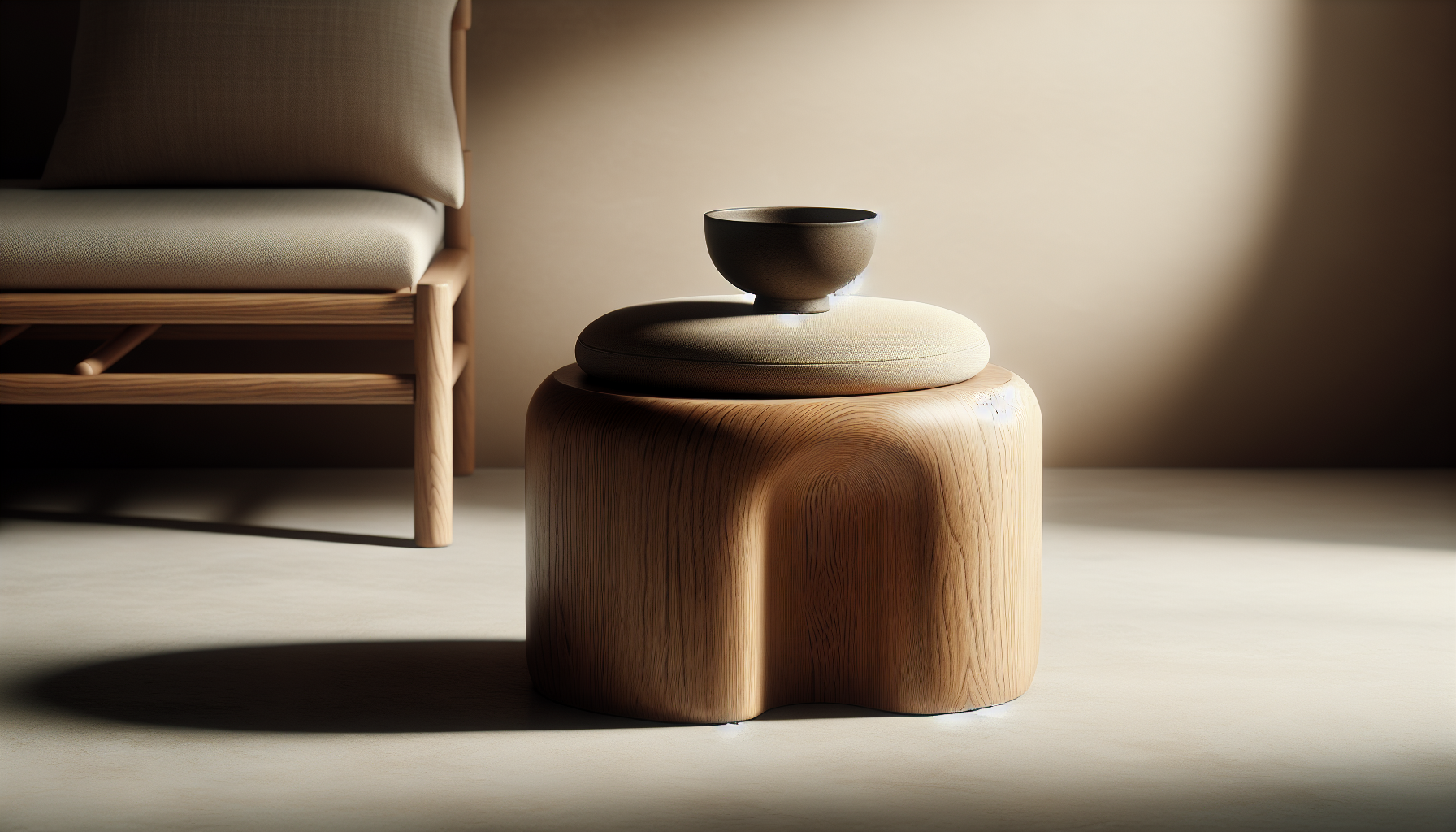
Have you ever wondered whether Japandi is considered modern or timeless?
Is Japandi Considered Modern or Timeless
You’re asking a question that many people who care about interior style and longevity want answered. This article will help you understand the origins, principles, and practical implications of Japandi so you can decide whether it feels modern, timeless, or both in your space.
What Japandi Means and Where It Comes From
You should know that Japandi is a hybrid of Japanese and Scandinavian design philosophies. It grew out of a shared emphasis on simplicity, craftsmanship, and functional beauty, combining the Japanese concepts of wabi-sabi and shibui with the Scandinavian focus on hygge and functional minimalism.
Why the Origin Matters for Style Classification
You can use the origin story to see why Japandi balances contrasts: East meets West, minimalism meets warmth, and natural materials meet refined lines. Understanding the roots helps you judge whether the aesthetic feels like a contemporary trend or a lasting approach to living spaces.
Core Principles of Japandi
You’ll want to get familiar with the guiding principles because they determine how the style behaves over time. The core principles shape whether a space appears transiently trendy or enduringly classic.
Minimalism and Functionality
You’ll notice that Japandi emphasizes pared-down spaces with a focus on utility. This functional minimalism reduces visual clutter and supports longevity because rooms are not tied to heavy ornamentation that can date quickly.
Natural Materials and Craftsmanship
You’ll see wood, stone, and natural textiles used intentionally in Japandi interiors. The focus on high-quality, tactile materials and good craftsmanship often gives Japandi an authentic, lasting feel that ages well rather than looks temporary.
Neutral Color Palette with Warm Accents
You’ll find muted tones—soft beiges, greys, and warm whites—with occasional deep accents like indigo or charcoal. This restrained palette allows flexibility and resilience as trends shift, often contributing to a timeless impression.
Low-Profile Furniture and Clean Lines
You’ll recognize the low, lean silhouettes of furniture that combine Japanese floor-sitting traditions with Scandinavian ergonomics. These clean lines are classic rather than flashy, which often reads as timeless while also aligning with modern sensibilities.
Elements That Make Japandi Feel Modern
You can identify several traits that give Japandi a modern edge and make it attractive to contemporary sensibilities. These elements often align with current tastes for simplicity and sustainability.
Minimal Ornamentation and Open Layouts
You’ll see open floor plans and uncluttered surfaces that speak to today’s preference for multifunctional living. The modern appeal comes from how these elements address current lifestyle needs like remote work or multifunctional zones.
Integrated Technology and Smart Solutions
You can design Japandi spaces to incorporate technology discreetly—think built-in charging stations or hidden speakers. When technology is seamlessly integrated, the space reads as modern while maintaining the aesthetic calm.
Sustainable and Ethical Sourcing
You’ll often associate modern values such as sustainability with Japandi because of its celebration of natural, responsibly-sourced materials. This ethical dimension makes the style feel current and conscientious.
Elements That Make Japandi Feel Timeless
You should also consider the traits that allow Japandi to transcend fads and retain long-term appeal. These features often make Japandi a safe long-term investment for interiors.
Emphasis on Quality and Craftsmanship
You’ll appreciate that well-made pieces with honest materials stand the test of time. When furniture and fixtures are built to last, the space resists the appearance of obsolescence.
Neutral Base and Adaptability
You’ll find that a neutral, muted foundation makes it easy to update the look selectively without overhauling the whole room. This adaptability supports a timeless quality because you can refresh accents rather than replace core elements.
Human-Centered Design and Comfort
You’ll notice that Japandi prioritizes comfort and human scale, which are perennial design values. A home that is comfortable and well-proportioned rarely feels dated, even as surface trends shift.
Visual Comparison: Modern vs Timeless Aspects of Japandi
You might find it helpful to see a side-by-side comparison of what makes Japandi feel modern and what renders it timeless. The table below highlights those characteristics so you can evaluate them quickly.
| Aspect | Modern Qualities | Timeless Qualities |
|---|---|---|
| Layout | Open, multifunctional, tech-ready | Functional, human-centered, adaptable |
| Color | Muted neutrals with bold accents | Neutral foundation, subtle warmth |
| Materials | Sustainable, low-maintenance finishes | Natural, durable materials that age well |
| Furniture | Sleek, low-profile, modular | Well-crafted, simple silhouettes |
| Ornamentation | Minimal, curated accessories | Minimalism that emphasizes craftsmanship |
| Trend Influence | Aligns with contemporary values like sustainability | Rooted in enduring cultural principles (wabi-sabi, hygge) |
How Japandi Responds to Changing Trends
You’ll find that Japandi’s inherent restraint helps it respond well to changing trends because it focuses on fundamentals rather than surface-level stylistic gimmicks. The following sections will explain how you can lean into either the modern or timeless side.
Updating Without Losing Identity
You’ll be able to change accents—like textiles, art, or lighting—to keep your Japandi space feeling current without altering its core. Swapping throw pillows or a rug is often enough to give the room a fresh spin while retaining the underlying structure.
When Trends Push and When They Fade
You’ll notice that some details—matte black hardware or specific accent colors—may come and go, while the essential elements like quality wood furniture persist. Understanding which elements are interchangeable helps you maintain long-term aesthetics.
Designing for Modern Japandi
You can emphasize the contemporary side of Japandi by focusing on technology, materials, and a slightly sharper aesthetic. The tips below will help you push the style toward modernity while keeping its soul.
Use of Monochrome and Graphic Contrast
You’ll create a modern feel by adding stronger contrasts—black frames, dark accent walls, or geometric rugs. These sharper contrasts can intensify a modern look without abandoning the understated Japandi language.
Sleek, Minimal Fixtures and Integrated Tech
You’ll go for built-in storage, concealed appliances, and minimalistic lighting fixtures to underscore modern convenience. Keeping technology out of sight while integrating it into the structure ensures the space is practical and current.
Contemporary Art and Sculptural Accents
You’ll add interest with a few contemporary art pieces or sculptural objects to make a bold, modern statement. Select pieces that align with the Japandi ethos—simple, tactile, and deliberate—to avoid clutter.
Designing for Timeless Japandi
You can lean into the timeless aspects by choosing durable materials, classic forms, and a softer color story. These choices help the space age gracefully and remain relevant.
Natural Aging and Patina
You’ll select materials that gain character over time, such as solid wood that darkens slightly or linen that softens. These aging processes contribute to a warm, authentic feel rather than making the space look old.
Classic Proportions and Symmetry
You’ll favor balance, proper scale, and well-proportioned furniture that won’t look out of place in a decade. Symmetry and human scale are design decisions that reduce the risk of feeling dated.
Artisanal Objects and Handcrafted Details
You’ll incorporate handmade ceramics, woven textiles, or locally-made furniture to add depth and authenticity. These pieces often have a timeless quality because they reflect human skill and story, not mass-manufactured trend cycles.
Practical Tips for Blending Modern and Timeless
You’re likely aiming to have the best of both worlds: a Japandi home that feels current but will still look great years from now. Here are practical ways to strike that balance.
Start with a Neutral Base
You’ll benefit from establishing a timeless foundation—walls, floors, and big furniture in neutral tones. This makes it easier to layer modern accents that you can swap out later.
Invest in Key Pieces
You’ll want to invest in a handful of high-quality items that anchor the room, such as a sofa, dining table, or bed frame. These are the timeless pieces that provide continuity as smaller trends come and go.
Add Contemporary Accents Strategically
You’ll add modern character through lighting, textiles, or small decor pieces that are easy to update. This targeted approach lets you refresh the look without committing to expensive changes.
Maintain a Slow-Design Mindset
You’ll adopt a slow, intentional approach to shopping and decorating, buying fewer but better items. This mindset reduces the pressure to chase every trend and tends to produce more cohesive, long-lasting spaces.
Room-by-Room Considerations
You’ll want practical guidance for applying Japandi principles across different rooms so the aesthetic stays coherent and functional. Below are focused considerations for common spaces.
Living Room
You’ll favor low-profile seating, ample natural light, and layered textiles for comfort. A minimalist media solution and a few well-chosen decorative elements will help maintain a balance between modern convenience and timeless calm.
Kitchen and Dining
You’ll select durable surfaces, uncluttered cabinetry, and handcrafted tableware for an inviting yet efficient space. A solid wood dining table and simple, ergonomic chairs will provide both modern comfort and long-term appeal.
Bedroom
You’ll keep the bedroom serene with a muted palette, natural bedding materials, and functional storage. Minimal accessories and a focus on sleep-friendly lighting make the room timelessly restful.
Bathroom
You’ll use clean lines, natural stone or matte tiles, and simple fixtures to create a spa-like, enduring environment. Thoughtful storage and tactile materials help this often-used room remain practical and inviting.
Color, Texture, and Material Choices
You’ll make the style either more modern or timeless based on the combinations of color, texture, and material. These choices greatly affect how the room feels over time.
Color Strategy
You’ll use a neutral base with warm undertones for a timeless core. For a modern slant, you can add sharper contrasts or a single bold accent color used sparingly.
Texture Play
You’ll layer textures—woven rugs, linen throws, and matte ceramics—to create tactile warmth. Strong textures often read as timeless because they rely on sense and comfort rather than trend-driven patterns.
Material Palette
You’ll prioritize solid wood, stone, and natural fibers for long-lasting beauty. For modern accents, you can introduce metal or glass elements in restrained ways, such as a matte black lamp or a glass side table.
Maintenance and Longevity
You’ll want your Japandi space to age well, so maintenance matters. The things you do to care for materials will influence whether the space keeps a timeless look.
Care for Natural Materials
You’ll learn simple care routines—oiling wood, gentle washing for linens, regular sealing for stone—to keep materials looking their best. Proper upkeep encourages a graceful patina rather than premature wear.
Flexible Furnishing Strategy
You’ll adopt furniture and layout strategies that allow for gradual updates, such as modular seating or neutral case goods. Flexibility keeps the space functional as your needs change.
Cost and Investment Considerations
You’ll weigh cost against longevity to decide how much to invest in the timeless versus modern components. Smart investing can let you enjoy both quality and contemporary flair.
Budget Allocation
You’ll allocate more of your budget to core, timeless items and less to trendy accents. This prioritization often saves money over time because you avoid frequent replacements.
Long-Term Value
You’ll get more return on investment from classic, well-made furniture that retains usefulness and aesthetic value. Contemporary accents are less expensive to replace and let you modify the look affordably.
Case Studies and Real-World Examples
You’ll find it helpful to see how others implement Japandi in different ways depending on whether they want a modern or timeless result. Below are three simplified scenarios to illustrate the possibilities.
| Case | Intent | Key Choices |
|---|---|---|
| Urban Apartment (Modern) | Sleek, tech-friendly living | Matte black fixtures, modular sofa, built-in storage, bold accent art |
| Suburban House (Timeless) | Long-lasting comfort | Solid oak furniture, linen textiles, muted palette, handcrafted pottery |
| Multi-Use Loft (Balanced) | Flexible, updatable | Neutral base, quality dining table, swap-friendly accent textiles, concealed tech |
You’ll notice that the intent drives the selection of materials and finishes while the core principles hold steady.
Common Misconceptions
You’ll encounter misunderstandings about Japandi that can confuse whether it’s modern or timeless. Clarifying these points helps you design confidently.
“Japandi Is Just a Trend”
You’ll hear this often, but that’s an oversimplification. While the label may be trendy, many of Japandi’s core principles—simplicity, craftsmanship, natural materials—are longstanding design values.
“Japandi Means Cold Minimalism”
You’ll sometimes see it described as austere, but Japandi intentionally adds warmth through texture and wood tones. The balance of minimalism with tactile comfort is central to its appeal.
How to Decide What’s Right for You
You’ll make the best choice by assessing your lifestyle, budget, and how often you like to change your decor. The following questions can guide your decision.
- Do you value long-term investment and low-churn decorating? If yes, lean toward timeless elements.
- Do you enjoy swapping accents and adopting current tech or art? If yes, emphasize modern touches that are easy to update.
- Do you prefer a quiet, restorative environment? If yes, prioritize natural materials and muted palettes.
Final Thoughts: Is Japandi Modern or Timeless?
You’ll conclude that Japandi is both modern and timeless, depending on how you apply its principles. The aesthetic is rooted in enduring values—quality, simplicity, and human-centered design—that make it age gracefully, while its minimalism, sustainability, and integration of contemporary conveniences give it a modern edge.
You’ll find that the real power of Japandi lies in its flexibility: it lets you build a foundation that lasts and layer in modern details that keep your home feeling current. This combination is why many people view Japandi as a style that occupies the sweet spot between trend and tradition.
Quick Checklist: Make Your Japandi More Modern or More Timeless
You’ll use this checklist to guide quick decisions when furnishing or refreshing a space.
| Goal | Do This | Avoid |
|---|---|---|
| Make it more modern | Add integrated tech, darker contrasts, contemporary art | Heavy ornate furniture or overly warm, busy textiles |
| Make it more timeless | Invest in solid wood, neutral base, handcrafted pieces | Trendy finishes that will date quickly |
| Keep it balanced | Neutral core + swap-friendly accents | Overcommitting to many trend elements at once |
You’ll use these simple rules to steer your choices and keep the space aligned with your long-term vision.
Frequently Asked Questions
You’ll likely have more questions, so here are concise answers to common queries.
Can Japandi work in small apartments?
You’ll find Japandi particularly suited to small spaces because of its emphasis on multifunctional furniture and uncluttered layouts. The minimalist ethos helps you maximize light and perceived space.
Is Japandi expensive to implement?
You’ll be able to create a Jardandi-inspired look at any budget by prioritizing investment pieces and using affordable accents to complete the feel. Focus on quality for the items you use most and economical swaps for seasonal updates.
How do you prevent Japandi from feeling too sparse?
You’ll add layered textures, warm wood tones, and a curated selection of accessories to avoid a sterile look. The goal is to be selective—not empty—so each piece adds meaning and comfort.
Closing Suggestions
You’ll approach Japandi as a toolkit more than a rulebook: adopt its principles in ways that suit your life, and be deliberate about which elements you make permanent. That approach will let you enjoy both the fresh clarity of a modern interior and the enduring beauty of a timeless one.
You’ll find that when you respect quality, proportion, and comfort, Japandi will feel like a wise long-term choice rather than a fleeting trend. Use the guidance here to shape a home that reflects your values and remains inviting through the years.