
Have you ever walked into a room and felt an immediate sense of calm without being able to name why?
Japandi Textures That Promote Calm and Comfort
This article explains why people describe Japandi as “calm” and how texture plays a central role. You’ll learn how to use tactile and visual surfaces to create a home that feels simultaneously warm, ordered, and gently layered.
What is Japandi and why it feels so calming
Japandi is a hybrid of Japanese and Scandinavian design philosophies that emphasizes simplicity, natural materials, and functional beauty. You’ll recognize it by its restrained color palette, clean lines, and an emphasis on craftsmanship and comfort.
The calming quality comes from a balance of minimalism and warmth. Japanese restraint brings careful, intentional design choices; Scandinavian coziness supplies soft textures and human-centered details. Together, they make spaces that are uncluttered but not cold.
Core principles that create calm
The main principles — nature, functionality, minimalism, and imperfection — work together to produce tranquility. You’ll find that each principle is expressed strongly through texture and material choices.
- Nature: Natural grains, fibers, and stone surfaces connect you to the outdoors.
- Functionality: Textures are chosen for use and feel, not just looks.
- Minimalism: Less visual noise means textures become more meaningful.
- Imperfection: Wabi-sabi accepts subtle irregularities that make surfaces feel honest.
How texture influences perception and mood
Texture can change how you experience a space on multiple sensory levels. You’ll notice it immediately when you touch upholstery or watch light play across a wood grain.
Textures influence visual softness, perceived warmth, acoustics, and tactile comfort. When you select textures thoughtfully, you control how inviting and calm a room feels.
Visual texture vs tactile texture
Visual texture is what you see: grain patterns, weave density, and matte vs glossy finishes. Tactile texture is what you feel: the coarseness of jute, the smoothness of a ceramic bowl, or the plush pile of a wool rug.
You’ll want to balance both. A visually textured wall can be balanced with smooth furniture surfaces, while tactile diversity keeps the room from feeling flat.
Key Japandi textures and how they contribute to calm
Below is a breakdown of essential textures used in Japandi interiors and how each one contributes to a calming atmosphere. Each texture supports the movement’s focus on honest materials and understated comfort.
Wood: warmth and grain
Wood is arguably the signature texture of Japandi design. You’ll see light, warm-toned woods with visible grain and simple finishes. The grain pattern creates visual interest while the warmth of wood provides emotional comfort.
Well-finished but not glossy wood surfaces feel natural and inviting. Look for simple joinery and furniture that shows the integrity of the material.
Natural fibers: linen, wool, cotton
Natural textiles bring softness and a lived-in quality. Linen drapes softly and breathes, wool provides warmth and acoustic dampening, and cotton gives casual comfort.
These materials also age well; you’ll appreciate the soft patina they develop over time, which contributes to the sense of calm.
Ceramics and matte glazes
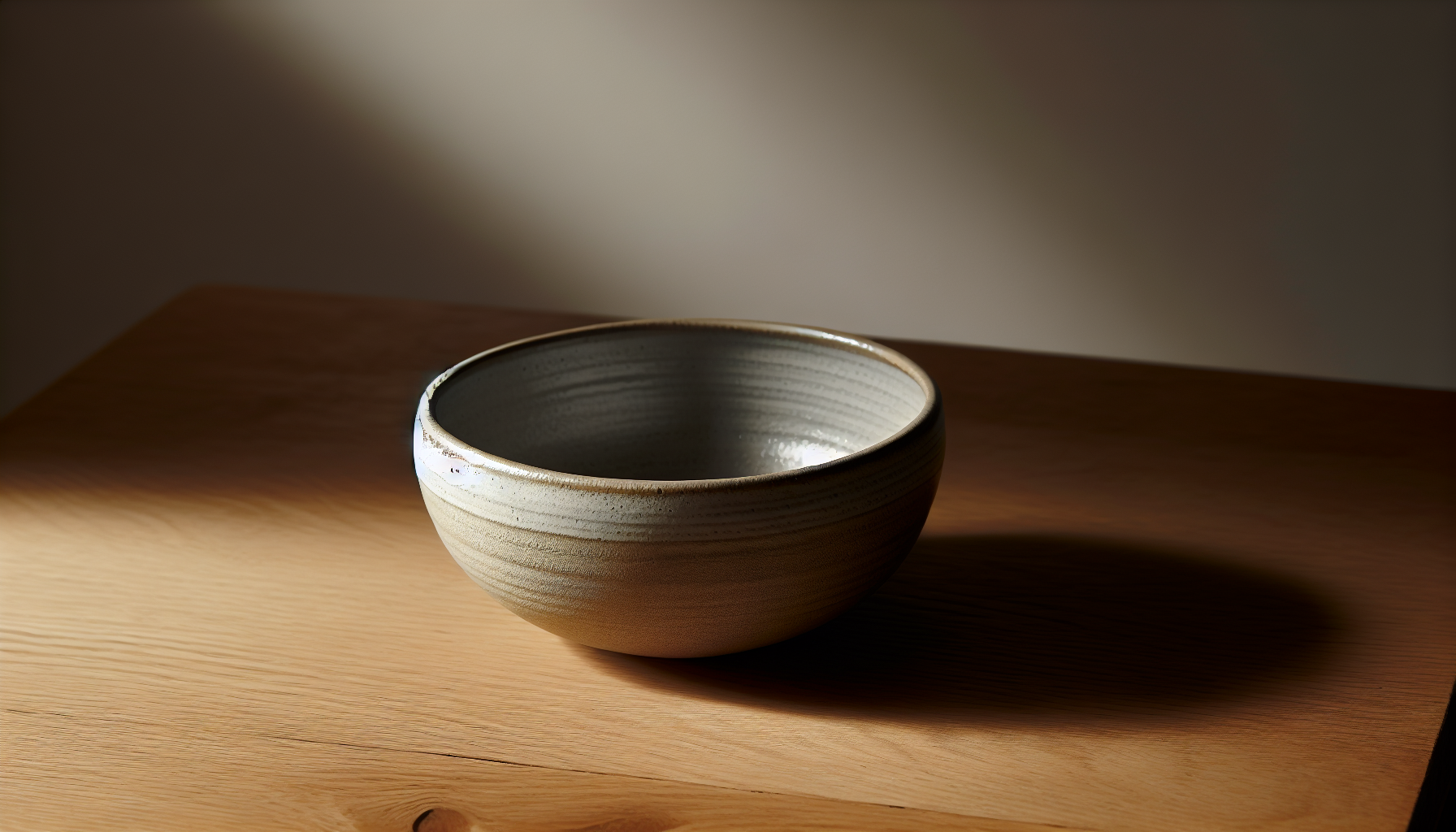
Handmade ceramics with matte glazes provide subtle texture and visual grounding. You’ll notice slightly irregular surfaces and soft color variations that give the room personality without shouting.
Ceramic tableware, planters, and decorative objects add quiet craftsmanship and tactile pleasure.
Stone and concrete: grounded elegance
Stone surfaces and concrete finishes provide visual weight and a grounding presence. You’ll feel steadiness when stone is used for countertops, fireplace surrounds, or floor tiles.
Use honed or matte stone rather than highly polished finishes to maintain the soft, understated look central to Japandi.
Woven materials: rattan, cane, and bamboo
Woven textures like rattan and cane introduce an organic geometry. You’ll find them in chairs, pendant lights, and storage baskets.
These textures add lightness and pattern while still keeping the palette natural and restrained.
Paper and shoji-like surfaces
Paper-based textures—like shoji screens or rice paper lamps—offer diffuse light and a delicate visual grain. You’ll sense a softness in the light they filter that makes rooms feel tranquil.
Translucent paper screens also provide privacy without harsh division, enhancing calm through gentle separation.
Plaster and limewash
Textured wall finishes such as plaster or limewash create subtle irregularities that soften light and provide depth. You’ll enjoy the tactile interest that doesn’t overwhelm the space.
These finishes work especially well as a neutral backdrop for wooden furniture and textiles.
Table: Common Japandi textures and their effects
| Texture | Visual effect | Tactile feel | Best locations | Maintenance |
|---|---|---|---|---|
| Light oak wood | Warm, linear grain | Smooth to slightly textured | Living room, bedroom, furniture | Wipe with damp cloth; occasional oiling |
| Linen | Soft, slightly wrinkled | Breathable, cool | Bedding, curtains | Gentle wash, air dry |
| Wool | Subtle pile, matte | Plush, insulating | Rugs, throws, upholstery | Vacuum, professional clean for large items |
| Matte ceramic | Soft color variation | Slightly coarse | Tableware, planters | Wipe, avoid harsh cleaners |
| Stone (honed) | Dense, solid visual | Cool, smooth | Floors, countertops | Seal periodically; clean with neutral soap |
| Rattan/cane | Patterned, airy | Textured, lightweight | Chairs, baskets | Dust regularly; avoid excessive moisture |
| Tatami or woven grass | Linear weave | Firm, natural | Floor mats, meditation areas | Keep dry; sun occasionally to refresh |
| Plaster/limewash | Gentle irregularity | Slightly rough | Accent walls | Touch up with matching limewash |
| Paper screens | Diffuse, soft | Delicate | Screens, lamps | Avoid moisture; replace if torn |
How Japandi color palette enhances textures
In Japandi, the color palette is typically restrained: soft neutrals, warm beiges, muted greens, and deep charcoal accents. You’ll find that these colors allow textures to become the focal point.
Muting color reduces visual noise so the eye can appreciate material qualities like grain, weave, and surface irregularities. Use subtle color contrasts to highlight textures without creating tension.
Using accents to emphasize texture
A deep charcoal or indigo accent will draw attention to texture without breaking the calm. You’ll often see these darker hues used sparingly on smaller objects or structural elements.
Accents should be applied in a way that supports the tactile story of the room—think a dark ceramic vase on a light oak shelf rather than a bright, neon object.
Room-by-room texture strategies
Different rooms benefit from specific texture strategies. Below you’ll find practical recommendations tailored to each room type.
Living room: balance soft and structured
The living room needs comfort and visual order. You’ll want a balance of structured wooden furniture and soft textiles.
Use a wool rug to anchor the space, linen or cotton upholstery for seating, and a low wooden coffee table to reinforce the Japandi silhouette. Add a rattan lamp shade or ceramic accessories for varied tactile interest.
Bedroom: tactile comfort and minimal clutter
A bedroom should be your sanctuary. You’ll want plush textiles and natural fibers for bedding, a wooden bedframe with visible joinery, and soft window treatments.
Layer wool or cotton throws and add a linen duvet for breathability. Keep surfaces uncluttered so textures, not objects, become the primary sensory cues.
Kitchen: durable, honest textures
In the kitchen, you need surfaces that withstand use but still feel warm. You’ll prefer honed stone counters, matte-finish cabinetry, and wooden cutting boards.
Choose ceramics for dishes and matte metal finishes for hardware. Keep patterns minimal so the textures of wood and stone lead the visual narrative.
Bathroom: calming materials and tactile warmth
Bathrooms benefit from a mix of cool stone and warm wood. You’ll feel the calming effect of natural stone tiles combined with wooden vanity elements.
Use textured ceramics for sinks and consider woven baskets for storage to add softness without sacrificing functionality.
Entryway: first impressions through tactility
The entryway sets the tone for the whole home. You’ll want a durable rug with a low pile, a solid wooden bench, and woven baskets for shoes.
This space should communicate calm and order through materials that are both practical and inviting.
Workspace: focused textures for clarity
Your workspace should encourage concentration without being sterile. You’ll benefit from a clean wooden desk, a comfortable wool or cotton chair, and a tactile element like a small ceramic object or felt board.
Avoid high-gloss surfaces that produce glare; instead, choose matte finishes that reduce visual strain.
How to combine textures without overwhelming the room
Combining textures is a skill you’ll develop by balancing contrast, scale, and repetition. The goal is to create depth while preserving tranquility.
Principles for successful textural layering
- Contrast: Mix smooth with rough (e.g., polished wood with a nubby wool throw).
- Scale: Combine large textures (floor rug) with small textures (decorative ceramics).
- Repetition: Repeat a texture in different forms to create cohesion.
- Restraint: Keep the palette limited so textures can speak clearly.
When you layer textures, aim for three to five distinct material types in each room to avoid sensory overload while keeping interest.
Table: Simple texture layering recipe
| Layer | Example | Purpose |
|---|---|---|
| Base | Wood floor or neutral plaster wall | Provides foundation and warmth |
| Large textile | Wool rug or linen curtains | Anchors and softens acoustics |
| Furniture material | Oak table or rattan chair | Adds structure and natural grain |
| Small textiles | Linen throw, cotton cushions | Enhances tactile comfort |
| Decorative objects | Matte ceramics, paper lamp | Introduces subtle craftsmanship |
Practical tips for choosing and placing textures
You’ll make better choices if you think about how each texture will be used and how it will age. Here are practical guidelines to help you shop and arrange.
- Touch before you buy: Textiles and finishes feel different in person than in photos.
- Consider scale: Large rooms can handle bolder textures; small rooms need subtler ones.
- Prioritize the floor: Rugs set the tactile tone and affect acoustics most.
- Keep high-touch surfaces durable: Choose easy-care materials where you touch frequently.
- Use accessories strategically: Swapping a few textiles seasonally can refresh the mood.
Maintenance and longevity of natural textures
Natural materials age; you’ll want to maintain them so they continue to contribute to calm rather than show neglect.
- Wood: Clean with damp cloths and apply oil periodically to restore luster.
- Linen/cotton: Wash gently and air dry to preserve fibers.
- Wool: Vacuum rugs and seek professional cleaning for spills.
- Rattan: Dust and avoid prolonged exposure to moisture.
- Stone: Seal countertops and clean with pH-neutral cleaners.
Regular maintenance keeps textures comforting rather than deteriorating into chaos.
Sourcing sustainable and authentic textures
Part of Japandi’s appeal is honesty of material. You’ll want ethically sourced products that celebrate craftsmanship.
Look for:
- Small-scale artisans who use traditional techniques.
- FSC-certified woods and responsibly harvested rattan.
- Natural or low-impact dyes for textiles.
- Reclaimed materials and vintage pieces that have developed patina.
Buying thoughtfully supports sustainability and often gets you products with richer textures and better stories.
Lighting and texture: making surfaces glow
Texture and lighting work together to create mood. You’ll notice how different finishes respond to light: matte surfaces soften, while textured surfaces cast gentle shadows.
- Natural light: Best for showing true color and grain.
- Warm artificial light: Enhances wood warmth and softens textiles.
- Directional lighting: Highlights grain and plaster texture.
- Diffused lighting: Works well with paper shades and creates even calm.
Consider the angle and temperature of light to make textures look their best.
Acoustic comfort: texture as sound control
Soft textures like wool rugs, linen curtains, and upholstered furniture improve acoustics by absorbing ambient sound. You’ll find that rooms with varied tactile surfaces feel quieter and more contemplative.
Hard surfaces can be balanced with textiles and strategic furnishings to reduce echo without sacrificing the clean lines of Japandi design.
Furniture choices that emphasize texture
Select furniture that reveals material quality through simple forms. You’ll prefer pieces with exposed joinery, visible wood grain, and tactile upholstery.
Low-profile sofas, simple wooden tables, and built-in storage are staples. The design should emphasize the feel and honesty of materials rather than ornate ornamentation.
Custom and handmade pieces
Custom or handmade furniture often offers superior texture and detail. You’ll notice subtle irregularities, tight joins, and careful finishes that mass-produced items often lack.
Investing in a few handmade items can anchor the room and set a textural tone that other purchases can follow.
Plants and organic textures
Plants add living texture and a sense of calm. You’ll appreciate the variety of leaf shapes, stem textures, and pot materials.
Use simple ceramic planters, woven baskets, or wooden stands to integrate greenery into the Japandi color and texture scheme.
Small details that amplify calm
Small textural touches can have a big psychological effect. You’ll notice these details each time you enter a room:
- A soft throw folded on a bench.
- A matte ceramic vase with a single stem.
- A tatami-style floor cushion for meditation.
- Hand-thrown bowls nested on a wooden tray.
These small elements invite touch and create quiet rituals that reinforce comfort.
Mistakes to avoid when using Japandi textures
Even with good materials, certain choices can break the calm you’re trying to create. Avoid these common pitfalls:
- Over-accessorizing: Too many objects obscure texture rather than celebrate it.
- Mixing too many finishes: Limit the number of divergent surface types.
- Excessive gloss: Highly reflective surfaces can feel clinical.
- Synthetic-only textiles: These often lack the depth and aging qualities of natural fibers.
When in doubt, remove an item and observe whether the room feels calmer.
Examples and mood scenarios
Consider these short scenarios to visualize how textures produce calm:
- A reading nook with a linen armchair, a wool throw, a wooden side table, and a matte ceramic lamp feels inviting and quiet.
- A bathroom with honed stone tiles, a wooden vanity, and textured plaster walls feels spa-like and grounded.
- A minimal kitchen with oak lower cabinets, matte ceramic dishes, and a woven pendant light balances utility and warmth.
These combinations show how texture choices can shift the mood without changing layout.
DIY texture updates that make a big impact
You don’t have to redo a whole room to benefit from Japandi textures. Try these simple projects:
- Swap heavy curtains for linen panels to soften light and texture.
- Replace a glossy lamp shade with a paper or linen shade.
- Add a wool or natural-fiber rug to reduce echo and add warmth.
- Introduce hand-thrown ceramics as daily-use dishes or planters.
- Refinish a table with a matte oil to highlight grain rather than gloss.
Small changes often produce the largest emotional shifts.
Final checklist for crafting a calm Japandi space
Use this checklist to review texture choices before finishing a room:
- Have you prioritized natural, honest materials?
- Are textures balanced between soft and structured?
- Is the color palette restrained to let textures stand out?
- Do lighting and texture interact to reduce glare and highlight material qualities?
- Are maintenance needs realistic for materials chosen?
Answering yes to these will keep your design aligned with Japandi’s calming intentions.
Closing thoughts: living with texture
You’ll find that Japandi is not about perfection; it’s about a carefully curated set of textures that support how you live. The right mix of wood, textiles, ceramics, and woven elements creates an environment where calm and comfort are the natural results.
When you choose materials thoughtfully, maintain them, and let them age gracefully, your home becomes a place that consistently invites relaxation. Trust your senses, favor honesty, and remember that texture is one of the most powerful tools you have for shaping a serene, comfortable life at home.