
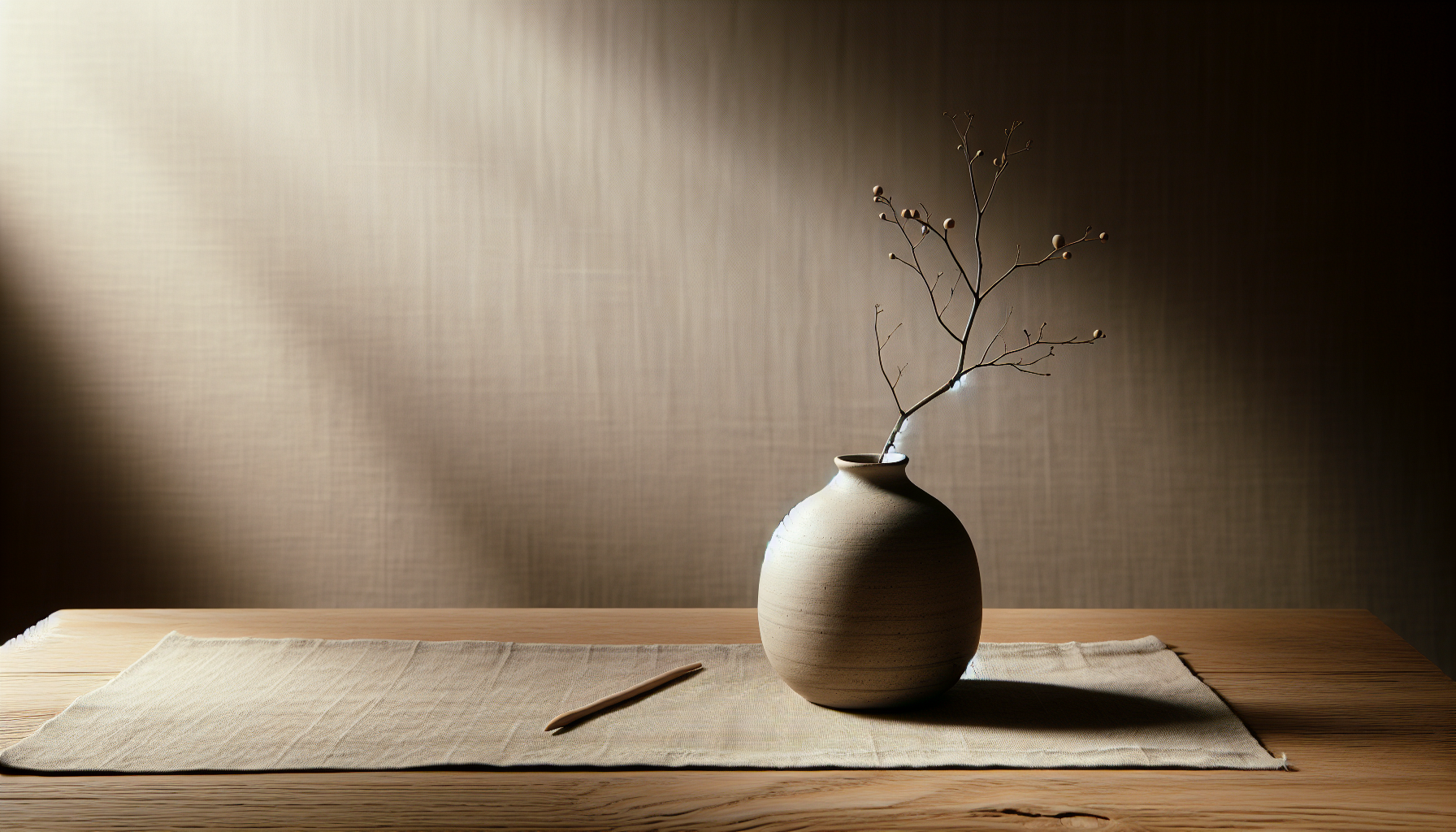
Have you ever wanted your home to feel like a calm, intentional retreat where everything has purpose and peace?
Japandi Design and the Essence of Calm
Japandi blends Japanese and Scandinavian design traditions into a style that prioritizes simplicity, craftsmanship, and naturalness. You’ll find that its calm comes from disciplined restraint combined with warm, honest materials and careful composition.
Why people describe Japandi as “calm”
People call Japandi calm because it removes visual clutter and focuses attention on what matters: form, function, and natural beauty. When you use muted palettes, tactile materials, and considered negative space, the result is a slower, more mindful environment that supports rest and clear thinking.
Origins and Influences
Japandi comes from the meeting of two design philosophies that share humility and practicality. Understanding those roots helps you apply the style without copying it superficially.
Japanese design principles
Japanese design favors minimalism, craftsmanship, and reverence for natural materials and imperfections. You’ll notice the influence of concepts like wabi-sabi, which accepts transience and celebrates subtle beauty in simplicity.
Scandinavian design principles
Scandinavian design prioritizes functionality, light, and comfort, often expressed as hygge — a sense of cozy well-being. When you combine that warmth with clean lines and efficient layouts, you get the human-centered side of Japandi.
Core Principles of Japandi
Japandi is less a checklist and more a set of guiding philosophies that you interpret for your space. Each principle contributes to the overall sense of calm in a different way.
Minimalism and Functionality
You keep only what is necessary and beautiful, so every object serves a purpose. This functional minimalism reduces distraction and helps you move through your space with ease.
Wabi-Sabi and Hygge
Wabi-sabi encourages you to appreciate imperfections and the passage of time, while hygge invites warmth and comfort. The combination means your home can feel both honest and welcoming — not sterile.
Natural Materials and Textures
Wood, stone, clay, linen, and wool are staples that add tactile depth without visual loudness. You’ll want to favor surfaces that age gracefully and feel pleasant to touch.
Neutral Color Palette
A muted, earthy palette creates a quiet backdrop for life and light. Neutral tones make it easier to layer textures and to highlight the few statement pieces you choose.
Craftsmanship and Quality
Quality and craft matter more than trend-driven consumption in Japandi design. When you invest in well-made items, you create visual calm and material longevity.
Color, Material, and Texture
The palette and material choices set the mood before furniture or layout do. You should think about color, finish, and texture as the language you use to create atmosphere.
Color Palette
Japandi color schemes favor warm neutrals, soft grays, muted greens, and dusty blues. These tones create a cohesive, tranquil environment and let light and form take center stage.
Table: Typical Japandi Colors and Suggested Moods
| Color Family | Typical Hues | Mood & Use |
|---|---|---|
| Neutrals | Warm beige, soft gray, off-white | Grounding base for walls and larger surfaces |
| Wood Tones | Light oak, walnut, bamboo | Add warmth and natural variation |
| Muted Greens | Sage, moss | Evoke nature, pairs well with plants |
| Dusty Blues | Slate, steel blue | Subtle contrast, calming presence |
| Earthy Accents | Terracotta, ochre | Sparing accents for warmth and interest |
Materials and Finishes
You’ll choose natural, honest materials: raw or lightly finished wood, matte ceramics, stone, and woven textiles. Avoid high-gloss plastics or overly synthetic finishes that feel out of step with the aesthetic.
Textures and Fabrics
Layering textures — linen curtains, wool throws, rattan baskets — brings tactile richness and visual depth while keeping the color story restrained. The tactile contrast helps you feel grounded and comfortable without visual chaos.
Furniture and Layout
How you arrange furniture and which pieces you select determine how peaceful a room feels. Japandi encourages purposeful spacing, balance, and human-scale furniture.
Low-profile and Functional Furniture
Pieces are often low and close to the floor, reflecting Japanese traditions, but with Scandinavian ergonomics for comfort. You’ll want furniture that appears light and uncluttered, leaving room for movement and light.
Open and Flowing Layouts
Open sightlines and generous negative space are deliberate choices to prevent overstimulation. Choose layouts that let you move freely and focus on the functionality of each zone.
Multipurpose and Curated
Furniture often has multiple functions and clean forms, so you get more utility with fewer objects. When you curate a small number of meaningful items, each one contributes to the calm.
Table: Typical Japandi Furniture Features
| Feature | Japanese Influence | Scandinavian Influence |
|---|---|---|
| Scale | Low-profile, floor-based | Ergonomic, human-centered |
| Form | Simple, organic shapes | Clean lines, soft edges |
| Material | Natural woods, bamboo | Lighter-toned hardwoods |
| Functionality | Purposeful, often minimal | Multi-functional, comfortable |
Lighting and Atmosphere
Lighting is crucial to the mood you create. You’ll use it to reveal texture, create warmth, and support circadian rhythms.
Natural Light Emphasis
Maximizing daylight keeps spaces feeling alive and honest while reinforcing connection to nature. You’ll often choose light, sheer window treatments to diffuse sun without blocking it.
Layered Artificial Lighting
Layer ambient, task, and accent lighting to control mood and function throughout the day. Soft, warm bulbs with dimmers help you maintain a gentle atmosphere in the evenings.
Candlelight and Warmth
Candles and small lamps add intimacy and a quiet glow that enhances the hygge aspect of Japandi. Use them to soften corners and create ritual moments of relaxation.
Plants, Greenery, and Natural Elements
Plants ground your space and add life without overwhelming the palette. You should select species with sculptural forms and maintain them well so they contribute calm rather than chaos.
Choosing Plants
Select low-maintenance plants like ficus, snake plants, or bonsai for architectural interest. Group them intentionally and avoid cluttering surfaces so each plant becomes a focal point.
Natural Objects and Artifacts
Natural objects — a river stone, a ceramic bowl, a linen-wrapped bundle — act as quiet accents. Choose pieces that look worn-in or handcrafted to support the wabi-sabi aesthetic.
Decluttering, Storage, and Organization
Calm requires both editing and smart storage. You’ll need systems that let items be out of sight without sacrificing accessibility.
Editing Your Possessions
Be honest about what you actually use and what contributes to your life. When you keep fewer things, each item matters more and becomes part of the aesthetic.
Smart, Concealed Storage
Built-in cabinetry, baskets, and multi-functional furniture keep surfaces clear while maintaining warmth. You’ll want storage solutions that are beautiful but not attention-grabbing.
Psychology: Why Japandi Feels Calm
There’s a cognitive reason you sense tranquility in Japandi spaces. The design reduces sensory overload, invites slower living, and fosters a sense of control over your environment.
Reduced Visual Noise
A limited palette and uncluttered surfaces mean your brain receives less competing information. That reduced cognitive load supports relaxation and clearer thinking.
Connection to Nature
Natural materials and light simulate environments where humans evolved to feel safe and calm. You’ll feel more grounded when your surroundings echo that biological preference.
Tactile Comfort and Sensory Restraint
Textures are soothing without being loud; they invite touch rather than shout for attention. When your environment is sensorially balanced, stress responses are less likely to be triggered.
Ritual and Mindful Use
The focus on purpose and ritual — like setting a table intentionally or using a favorite mug — promotes mindful living. Small rituals help you slow down and appreciate ordinary moments.
How to Create a Japandi Room — Step-by-step
Turning a room into Japandi means applying principles with intention and care. You don’t need to change everything at once; incremental decisions compound into calm.
Assess and Edit
Start by removing non-essential items and assessing how you use the room. This editing is the foundation for any further aesthetic or functional decisions.
Choose a Palette
Pick one neutral base color and one or two muted accent tones. Limiting the palette helps you coordinate materials and textures without overthinking.
Select Furniture
Choose pieces that are simple, well-made, and proportionate to your space. Prioritize multifunctional items if you have limited square footage.
Layer Textures
Add depth through textiles and natural materials rather than bright colors or busy patterns. You’ll want to mix linen, wool, wood, and stone for sensory interest.
Accessorize Sparingly
One or two well-considered accents — a handcrafted bowl, a sculptural vase, a framed study — are enough to add personality. Resist the urge to fill surfaces just for symmetry.
Maintain and Live
Japandi is a living style; it requires upkeep and daily habits that support calm, like regular tidying and mindful editing. Over time, you’ll refine the balance between function and form.
Room-by-room Guides
Each room has different functional demands, but Japandi principles apply across the home. You’ll adapt the same core ideas to suit the needs of each space.
Living Room
Opt for a comfortable low sofa, a simple coffee table, and one or two meaningful objects. Keep circulation clear and create cozy corners with throws and soft lighting.
Bedroom
The bedroom should be the calmest room, designed for rest and minimal stimulation. Choose natural linens, a low bed frame, and hide clutter to promote sleep quality.
Kitchen
Kitchens benefit from hidden storage, durable natural countertops, and intentional, ergonomic layouts. Keep utensils and cookware organized and on display only when they add to the composition.
Bathroom
Use stone, matte tiles, and simple vessels for soap and storage to create a spa-like feel. Keep surfaces clear and invest in towels and mats that feel soft and restrained.
Home Office
A Japandi office favors a clean desk, good natural light, and minimal décor to support focus. Choose ergonomic seating with simple form and store supplies out of sight.
Table: Room-Specific Japandi Tips
| Room | Key Elements | Quick Actions |
|---|---|---|
| Living Room | Low furniture, layered textiles, plants | Remove excess decor, add throw, pick one art piece |
| Bedroom | Neutral bedding, soft lighting, concealed storage | Replace busy prints with solid linen, install blackout shades |
| Kitchen | Functional storage, natural countertops | Declutter counters, use matching containers |
| Bathroom | Matte finishes, wooden accents | Replace plastic dispensers with ceramic, add bath mat |
| Office | Clear desk, natural light, ergonomic chair | Hide cords, add task lamp, declutter paper |
Common Mistakes to Avoid
Even with good intentions, certain moves can undermine Japandi’s calm. You’ll want to avoid quick fixes that create a faux look or diminish comfort.
- Over-accessorizing: Filling every surface defeats the point of minimalism. Keep only items that are useful or deeply meaningful.
- Mixing too many tones: A scattered color palette creates visual tension rather than calm. Stick to your chosen neutrals and a few accents.
- Choosing style over comfort: Aesthetics shouldn’t come at the cost of usability. Ensure seating and bedding are comfortable for daily life.
- Using synthetic-looking materials: Plastic and glossy finishes can feel cheap and discordant with the natural aesthetic. Opt for genuine wood, stone, and textiles.
- Poor lighting: Harsh, cold lighting kills ambiance. Aim for warm, dimmable options and maximize daylight.
Budgeting and Shopping Tips
You don’t need an unlimited budget to achieve Japandi calm; you need priorities and patience. Focus on a few high-impact items and complement them with affordable accents.
Prioritize Key Pieces
Spend more on items you use daily: sofa, bed, dining table, mattress. These define comfort and visual weight, so quality pays off.
Mix High and Low
Combine investment pieces with budget-friendly accents like baskets, throws, and plants. You’ll get the look without blowing your budget.
Buy Secondhand and Local
You can often find authentic wooden pieces or ceramics at thrift stores and local markets. Choosing used or local items also reduces environmental impact and supports craftsmanship.
Sustainable and Ethical Choices
Japandi values durability and craft, which align naturally with sustainable choices. You should aim for materials with low environmental impact and products that last.
Material Considerations
Look for FSC-certified wood, natural fibers, low-VOC finishes, and recycled or upcycled materials. These choices both support health and reduce long-term waste.
Ethical Production
Research makers and brands that pay fair wages and use transparent supply chains. Supporting small artisans and reputable manufacturers preserves craft and quality.
Case Study Examples
Seeing how principles translate helps you imagine changes in your own home. You’ll find that small, thoughtful edits can transform a space.
Small Urban Apartment
In a compact flat, you prioritize multi-functional furniture and vertical storage. A light oak table that doubles as workspace, a simple futon sofa, and open shelving create calm without crowding.
Family Home
With more people and activity, choose durable fabrics and efficient storage systems. Layered textiles, a robust dining table, and hidden toy storage keep the home tidy and warm.
Rental-friendly Makeover
If you rent, you can still get Japandi vibes with removable wallpaper, slipcovers, and portable lighting. Focus on textiles and simple, neutral accents that you can take with you.
Maintenance and Longevity
A calm home requires ongoing care. You’ll want daily and weekly habits that preserve order and the look you worked to create.
Cleaning and Care
Use gentle, material-appropriate cleaners and maintain wood with oil or wax as recommended. Regular dusting, rotating cushions, and washing linens keep the textures fresh and inviting.
Seasonal Tweaks
Rotate throws, change lighting levels, and refresh plant arrangements to reflect seasonal shifts. Small adjustments help you keep the space active and connected to time without clutter.
Measuring Success: Does Your Space Feel Calm?
A Japandi space isn’t just about objects; it’s about how you feel and function within it. Use a few practical tests to judge whether the aesthetic supports your daily life.
- Can you move through the room without bumping or searching for things? If yes, you’re on the right track.
- Do surfaces invite touch and rest rather than overwhelm you visually? That tactile response indicates balance.
- Do you find it easier to relax, work, or sleep in the space? Your personal well-being is the ultimate metric.
Final Thoughts
Japandi is a practical philosophy as much as a look; it asks you to prioritize quality, slow living, and honest materials. When you design with restraint, intention, and warmth, you create a home that supports calm in everyday life.
Quick Starter Checklist
- Edit belongings and clear surfaces.
- Choose a neutral base color and one accent tone.
- Select a few high-quality, low-profile furniture pieces.
- Layer natural textiles and add plants.
- Use warm, layered lighting and maintain storage discipline.
Frequently Asked Questions
These common questions help clarify practical points as you adapt Japandi to your needs.
Q: Can Japandi work in small spaces?
Yes, Japandi is especially effective in small spaces because it emphasizes multifunctional furniture and visual openness. You’ll benefit from low-profile pieces and hidden storage that make the area feel larger and more intentional.
Q: Is Japandi too minimal for families?
Not necessarily — Japandi can be adapted for family life by choosing durable, machine-washable textiles and practical storage solutions. The principle is to balance calm with livability, not to create a fragile showroom.
Q: How much color can you add?
You can add color sparingly through art, textiles, or a single accent piece, but keep hues muted and natural. Strong, saturated colors will undermine the tranquil palette unless used with great restraint.
Q: Where should you start if you’re overwhelmed?
Start with one room or one key piece, like a sofa or bed, and make incremental changes. Editing possessions and adjusting lighting are low-cost, high-impact actions that will quickly alter the mood.
Q: Is it expensive to achieve Japandi?
It can be, but it doesn’t have to be. Prioritize quality pieces where they matter and complement them with affordable accents, secondhand finds, and DIY projects. Thoughtful choices over time will build the look without overspending.
If you’d like, you can tell me which room you’re working on and your budget, and I’ll give specific product suggestions and layout ideas to help you create your own calm Japandi sanctuary.