
Have you ever wanted your home to feel like a calm refuge the moment you step inside?
Means of Creating Tranquility Through Material Choices
This article guides you through how material choices shape the feeling of tranquility in your spaces. You’ll learn practical strategies, examples, and common misconceptions—especially about Japandi—and how to translate these ideas into your home.
Understanding Tranquility in Design
Tranquility in design is the result of visual, tactile, and sensory harmony that reduces mental clutter. You’ll feel calmer when surfaces, colors, textures, and rhythms in a room work together rather than compete.
The psychology of materials
Materials communicate emotion: warm woods can feel nurturing, while stone can feel grounding and permanent. When you understand these associations, you can choose elements that support the mood you want to create.
Sensory impact: touch, sight, sound, smell
Tranquility engages multiple senses, not just sight; the way a fabric feels or a floor sounds when you walk influences comfort. You’ll design more holistically when you consider touch, acoustics, and scent alongside appearance.
Principles to Guide Your Material Choices
A few guiding principles will help you select materials that consistently support a tranquil atmosphere. These principles are practical touchstones when you weigh options at the store or online.
Simplicity and restraint
Choose fewer, higher-quality materials rather than many competing surfaces to reduce visual noise. You’ll get a stronger, more coherent look by limiting the palette and repeating materials in multiple places.
Naturalness and authenticity
Natural or simply treated materials tend to feel honest and calming because they age gracefully and show texture. You’ll find that authenticity—visible grain, subtle imperfections—adds character without chaos.
Neutral and muted color palettes
Soft neutrals and muted tones reduce visual overstimulation and allow texture to do the expressive work. You’ll feel calmer with colors that rest the eyes rather than demand attention.
Tactile harmony
Combine surfaces that complement each other under your hands and feet: smooth plaster, warm wood, and soft textiles. You’ll increase comfort when surfaces feel consistent with the mood, avoiding harsh contrasts that jar.
Balance of contrast and cohesion
Introduce subtle contrast for interest—wood against paper, matte against satin—but keep contrasts controlled. You’ll prevent monotony while maintaining a composed environment.
Popular Material Categories and Their Tranquil Qualities
Below is a practical comparison of common materials so you can match them to rooms, budgets, and lifestyles. Use this as a quick reference when planning purchases.
| Material | Tranquil Qualities | Best Uses | Care Considerations |
|---|---|---|---|
| Wood (oak, walnut, teak) | Warm, tactile, ages with patina | Flooring, furniture, trim | Regular dusting, occasional oil or wax; avoid prolonged moisture |
| Stone (limestone, slate, marble) | Grounding, durable, natural veining | Flooring, countertops, hearths | Sealing may be needed; can be cold underfoot |
| Ceramic / Terracotta | Earthy, handmade feel | Tiles, vessels, planters | Glazed ceramics are low-maintenance; terracotta needs sealing |
| Linen and cotton | Breathable, soft, relaxed drape | Curtains, upholstery, bedding | Wash according to label; can wrinkle, which contributes to the look |
| Wool | Insulating, soft, sound-absorbing | Rugs, throws, upholstery | Vacuum regularly; professional cleaning for heavy soiling |
| Paper and washi | Subtle texture, diffused light | Lampshades, wall panels | Keep away from moisture; can fade over time |
| Glass | Reflective, light-enhancing | Windows, partitions, tabletop | Clean regularly; tempered glass for safety |
| Metal (brass, steel) | Accents, structural clarity | Fixtures, hardware | Polishes or patinas change appearance; may show fingerprints |
| Living plants | Biophilic, air-purifying, tactile | Pots, vertical gardens, planters | Regular watering and light; choose low-maintenance species |
| Natural fibers (jute, seagrass) | Rustic texture, grounding | Rugs, baskets | Can shed; sensitive to moisture |
Wood: warmth and continuity
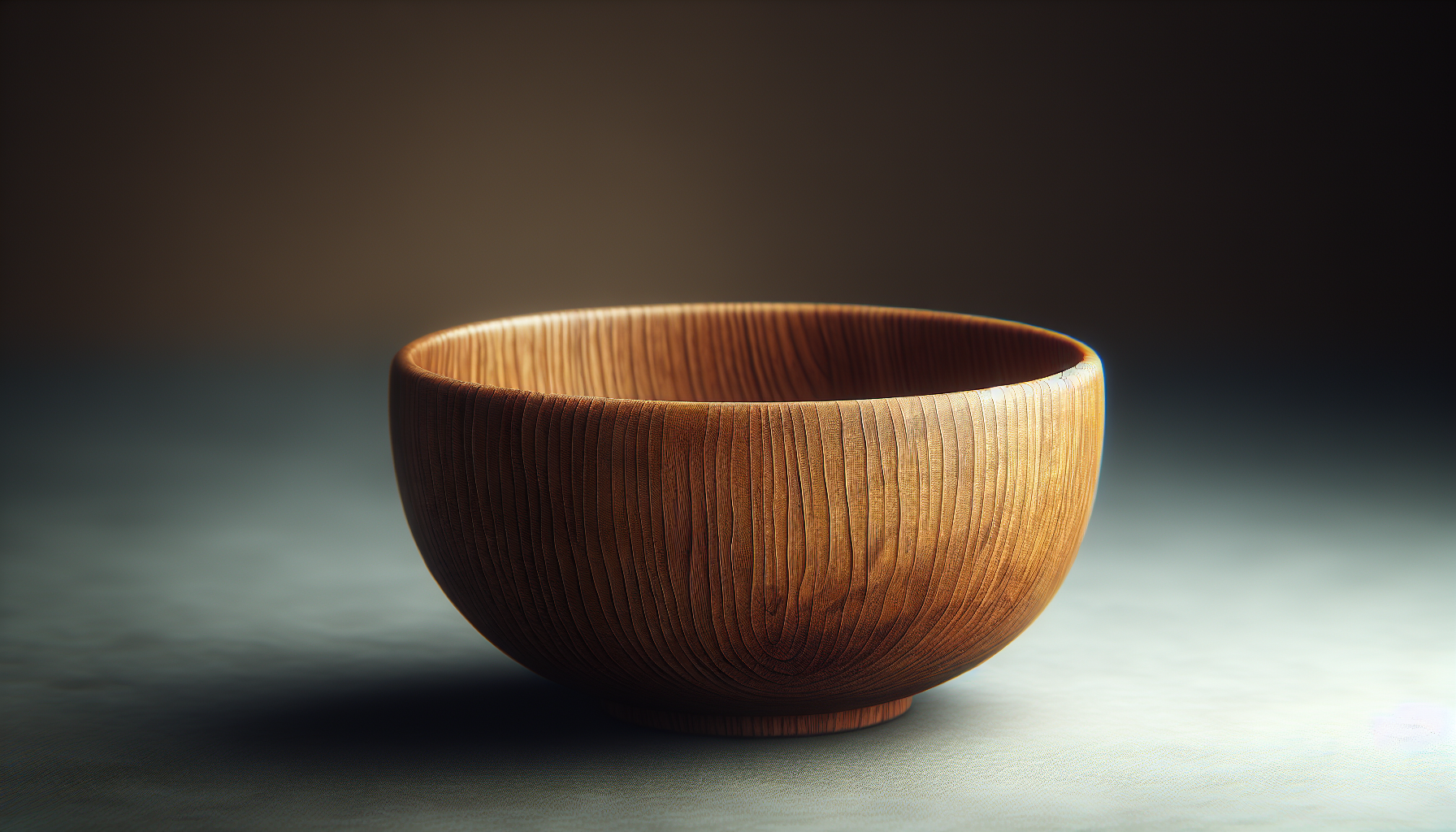
Wood is a cornerstone of tranquil interiors due to its warmth, tactile appeal, and versatility. You’ll use wood to anchor visual warmth—floors, shelves, and furniture create continuity across rooms.
Stone: permanence and grounding
Stone offers a sense of permanence and visual gravity that can stabilize a scheme. You’ll typically place stone where durability and impact matter most, like hearths and countertops.
Ceramics and pottery: tactile craft
Handmade ceramics add quiet artistry and texture to surfaces. You’ll bring visual and tactile contrast with vases, bowls, and tiles that show the maker’s hand.
Textiles: softness and acoustics
Textiles modulate acoustics and tactile comfort, and they’re one of the easiest ways to change mood seasonally. You’ll layer throws, rugs, and cushions to soften rooms and absorb sound.
Glass and reflective surfaces: light management
Glass amplifies light and can make a space feel more open, but it requires careful placement to avoid glare. You’ll use glazing to connect indoors and outdoors, and small reflective accents to subtly enliven surfaces.
Metals: restrained accents
Metals are best used as restrained accents—hardware, lighting, or thin trims that offer structure without dominance. You’ll select finishes that age well and match the overall tone, such as brushed brass or matte black.
Living materials: plants and wood in process
Incorporating living materials, from indoor trees to moss, brings seasonal change and life to your tranquility scheme. You’ll need to consider light and maintenance, but the payoff is a healthier, more soothing environment.
Japandi: What People Think It Really Means
Many people assume that Japandi is simply a merger of minimalism and rustic hygge, but the reality is more nuanced. You’ll gain more from Japandi by focusing on philosophy and materials rather than copying surface looks.
Origins and philosophy of Japandi
Japandi fuses Japanese wabi-sabi—acceptance of imperfection and natural beauty—with Scandinavian functionalism and warmth. You’ll see restraint, craftsmanship, and utility combined with textured comfort.
Common misconceptions about Japandi
Some people think Japandi means stark minimalism or an all-beige palette, but that misses its emphasis on balance, craftsmanship, and material honesty. You’ll do better by prioritizing quality, proportion, and tactile richness rather than just color.
How material choices express true Japandi
True Japandi uses warm woods, minimalist forms, artisanal ceramics, and soft textiles to create a quiet, lived-in elegance. You’ll select materials that show age gracefully, feature subtle texture, and provide both function and comfort.
| Scandinavian Sensibility | Japanese Sensibility | Japandi Synthesis |
|---|---|---|
| Light, bright spaces; pale woods | Muted, intimate spaces; darker tones | Balanced lighting; mixed wood tones for warmth and depth |
| Functional furniture; hygge textiles | Minimal, crafted furniture; natural fibers | Simple forms with warm textiles, handcrafted ceramics |
| Layered textiles, cozy patterns | Subtle patterns, wabi-sabi surfaces | Controlled layering, imperfect surfaces as accents |
Implementing Tranquility Room-by-Room
Different rooms have distinct functional and sensory needs, so material choices should respond to use and atmosphere. You’ll find specific suggestions for each space below.
Living room
The living room should feel inviting and composed, offering areas for relaxation and conversation. You’ll use a mix of warm woods, soft upholstery, rugs, and ceramics to anchor the space without overdecorating.
Bedroom
The bedroom requires restorative materials that support sleep—breathable bedding, warm yet calming colors, and soft underfoot surfaces. You’ll prioritize natural fibers like linen and wool, and avoid overly reflective or noisy materials.
Kitchen
The kitchen must balance hygiene and warmth: choose durable countertops and warm cabinetry materials. You’ll combine materials such as stone or engineered stone for worktops and warm wood for lower cabinets to maintain a calm, functional environment.
Bathroom
Bathrooms benefit from tactile, moisture-tolerant materials that feel spa-like and grounded. You’ll select matte tiles, natural stone, or textured plaster paired with soft textiles to create gentle transitions.
Workspace
Your workspace needs materials that reduce distraction while supporting focus, such as a smooth wood desk, soft task lighting, and minimal reflective clutter. You’ll create zones for work and relaxation with subtle material shifts.
Entryway
The entry sets the tone; choose durable, calming surfaces and simple organization cues. You’ll use stone or durable tiles paired with wooden benches and textile baskets to welcome without clutter.
Practical Steps to Choose Materials
Selecting materials can feel overwhelming unless you follow a practical sequence of decisions. You’ll work more efficiently by clarifying function, budget, maintenance, and emotional effect before you shop.
Clarify function first
Ask how the space will be used daily, how much wear it will receive, and who will use it. You’ll choose materials that meet these functional needs first, then layer aesthetic choices on top.
Set a prioritized budget
Decide which elements are lifelong investments (floors, cabinetry) and which you can update more frequently (rugs, textiles). You’ll allocate more to durable, visible surfaces and less to easily changeable accents.
Create a material palette
Limit yourself to a primary, secondary, and accent material to maintain coherence: for example, oak floor (primary), light plaster walls (secondary), ceramic vessels (accent). You’ll repeat these materials across rooms to build unity.
Test samples in situ
View samples in different light and next to existing finishes to be sure they harmonize. You’ll avoid costly mistakes by checking how color, texture, and scale read in your specific space.
Prioritize maintenance and durability
Think about cleaning routines, climate conditions, and family needs when choosing materials. You’ll choose finishes that match your lifestyle to keep your home feeling tranquil long-term.
Layering Materials for Depth and Tranquility
Layering is about creating richness without clutter: combine the tactile, visual, and functional to form a cohesive composition. You’ll use layers to add interest while maintaining a calm baseline.
Start with a grounding base
Use neutral floors or large elements—timber floors, stone tiles, or plaster walls—as your base. You’ll then add texture and softer elements on top, which allows the base to remain visually quiet.
Add mid-layer textures
Introduce mid-layer items such as furniture upholstery, larger rugs, and curtains to create comfort and scale. You’ll keep patterns subtle and textures complementary to avoid visual noise.
Finish with accent details
Bring in small-scale accents—ceramics, trays, cushions, slim metal hardware—to provide evidence of care without clutter. You’ll use these details to reflect personality while maintaining an overall calm.
Rule of three
When combining materials, consider using up to three main textures to keep the composition balanced. You’ll achieve harmony by repeating materials and controlling contrast.
Lighting and Color: Material Relationships
Light changes how materials read; color temperature and finishes determine mood as much as surface choice. You’ll coordinate materials with lighting to preserve tranquility from morning to night.
Natural light and window treatments
Let in as much gentle natural light as practical, and use translucent curtains or rice paper screens to diffuse glare. You’ll preserve privacy while allowing soft illumination that flatters materials.
Artificial lighting and warmth
Choose warm color temperature (2700–3000K) for living and sleeping areas to encourage relaxation. You’ll layer ambient, task, and accent lighting using dimmers to control intensity.
Color temperature and finishes
Matte finishes absorb light and reduce reflections, contributing to a softer atmosphere; glossy finishes can feel sharp and need careful balancing. You’ll pair matte surfaces with a few reflective accents to keep things lively without harshness.
Textiles and Soft Goods
Textiles are one of the most flexible tools to create and change tranquility quickly. You’ll use them to control scale, warmth, and acoustics.
Choosing fabrics
Natural fibers—linen, cotton, wool, silk—tend to create a calmer, more breathable environment than synthetic textiles. You’ll select fabric weights appropriate to season and function: heavier wool for rugs, light linen for curtains.
Patterns and scale
Limit pattern scale to one subtle pattern per space, paired with solids and textures. You’ll maintain a composed look by controlling pattern contrast and repetition.
Layering textiles
Layer a large, low-pile rug under a smaller textured rug, or combine linen sheets with a wool throw for temperature control. You’ll use layers to add depth without visual busyness.
Care and longevity
Choose fabrics with care labels that match your maintenance willingness; washable slipcovers and wool rugs with clear cleaning instructions last longer. You’ll prefer materials that age gracefully rather than those that require constant replacement.
Finishes and Treatments
How a material is finished affects both appearance and tactile response, so choose finishes that align with your lifestyle and aesthetic. You’ll find that subtle finishes often support tranquility better than high-gloss surfaces.
Matte and natural finishes
Matte, oiled, or waxed finishes preserve the natural look of wood and stone and reduce glare. You’ll appreciate the soft sheen and tactile comfort that these finishes provide.
Durable protective coatings
In areas prone to spills or heavy use, consider protective yet breathable treatments like natural oils for wood or penetrating stone sealers. You’ll balance protection with the desire for a natural appearance.
Aging and patina
Allowing materials to develop patina—softened edges, warm color changes—adds story and calm to a home. You’ll choose materials that look better with use rather than pretending to be perpetually new.
Repairability
Prefer materials and finishes that can be repaired or refreshed locally, like re-oiling a wooden table or re-grouting tiles. You’ll extend the life of your possessions and reduce waste.
Acoustics and Sound Management
Quiet is a component of tranquility, and materials can either amplify or absorb sound. You’ll plan for acoustics so your home supports rest and focus.
Absorptive materials
Use rugs, upholstered furniture, curtains, and soft wall panels to absorb sound and reduce echoes. You’ll enjoy a calmer auditory environment especially in open-plan layouts.
Strategic surface placement
Hard surfaces like stone or glass should be balanced with textiles and plants to avoid hard echoes. You’ll position rugs or wall textiles near reflective surfaces to moderate sound.
Furniture and layout
Bookshelves, upholstered seating, and soft partitions help break up sound paths and create quieter zones. You’ll arrange larger furniture pieces to act as acoustic buffers where necessary.
Scent and Sensory Complements
Scent influences mood strongly, so choose natural, subtle aromas that reinforce tranquility rather than overwhelm. You’ll prefer low-intensity, familiar scents that support relaxation.
Natural fragrances
Use essential oils, dried herbs, or fresh flowers to add soft, natural scents. You’ll avoid synthetic air fresheners that can be jarring or long-lasting in an unpleasant way.
Ventilation and freshness
Good ventilation is essential to prevent stale air and overpowering odors; materials that breathe, like untreated wood and natural textiles, help. You’ll regularly air out spaces to keep materials and aromas fresh.
Scented rituals
Introduce scent through rituals—changing diffuser blends with the seasons or lighting a beeswax candle during evenings. You’ll create sensory cues that support relaxation and wellbeing.
Maintenance and Longevity
Tranquility is easier to maintain when materials are durable and easy to care for. You’ll reduce stress by selecting surfaces that match your cleaning habits and capacity for upkeep.
Regular care routines
Set a simple maintenance plan—weekly dusting, periodic oiling of wood, seasonal fabric washing—to keep surfaces pristine without effort. You’ll preserve the calm visual order of your spaces with minimal routines.
Repair over replace
Choose materials that allow repair—re-oiling wood, patching linen, reweaving rugs—rather than those that must be replaced. You’ll build sustainability and emotional attachment to your possessions.
Seasonal adjustments
Rotate textiles and soft goods seasonally to maintain comfort and freshness while reducing permanent clutter. You’ll refresh the mood without overhauling the entire palette.
Sustainability and Ethical Sourcing
Sustainable materials often align with tranquility because they tend to be natural, local, and durable. You’ll feel better in a space where choices reflect care for people and the environment.
Reclaimed and local materials
Reclaimed wood, local stone, and secondhand furniture reduce embodied carbon and carry history. You’ll add depth and character to your home while supporting sustainable practices.
Certifications and transparency
Look for FSC-certified wood, organic textiles, and transparent supply chains to ensure ethical sourcing. You’ll make choices that support both environmental stewardship and social responsibility.
Longevity and circularity
Choose items designed for longevity and repairability, and consider resale or donation at end-of-life. You’ll reduce waste and build a home that ages gracefully.
Budget-Friendly Options to Create Tranquility
You don’t need an unlimited budget to create a tranquil home; thoughtful choices and small investments go a long way. You’ll get big visual returns by focusing on texture, light, and key tactile elements.
Prioritize visible surfaces
Invest in a good rug, quality sofa cushion, or solid wood coffee table instead of expensive decorative accessories. You’ll improve the feel of a room more effectively with a few well-chosen items.
Upcycle and refinish
Refinish thrifted wood furniture with natural oil, re-cover cushions with linen, or repaint walls in a muted palette. You’ll save money and create unique, meaningful pieces.
DIY texture and crafts
Create ceramic accents, hand-tie linen curtains, or weave simple wall hangings to add texture affordably. You’ll enjoy the personal touch and slower tempo these projects bring.
Low-cost materials that read expensive
Use plaster or limewash on walls, natural fiber rugs, and linen textiles to achieve a calm, refined look without high costs. You’ll gain sophistication through material choices that emphasize texture and finish over ornament.
Common Mistakes to Avoid
Avoiding certain pitfalls helps you keep your tranquil vision intact and practical for everyday life. You’ll avoid frustration by steering clear of these common errors.
Too many competing materials
Using too many different materials creates visual chaos rather than calm. You’ll limit material variety and repeat textures to maintain a cohesive look.
Overly trendy accents
Chasing trends in finishes or bold patterns can make a space feel dated quickly. You’ll prioritize timeless materials and invest in trendable items minimally.
Ignoring functionality
A beautiful material that fails under daily use—too delicate for kids or pets—won’t contribute to lasting tranquility. You’ll choose materials that match how you actually live.
Neglecting acoustics and lighting
A visually calm room can still be uncomfortable if it’s loud or harshly lit. You’ll plan for acoustics and layered lighting as much as surface finishes.
Quick Checklist to Create Tranquility Through Materials
Use this checklist when planning or shopping to keep your decisions aligned with a tranquil outcome. You’ll find this handy when you’re making trade-offs.
- Clarify the function of the room and expected wear.
- Limit primary materials to two or three with a supporting accent.
- Prioritize natural, durable materials that age well.
- Choose a muted color palette and matte finishes.
- Layer textiles for warmth and acoustics.
- Test samples in your light before committing.
- Plan lighting with warm temperatures and dimming.
- Opt for repairable and sustainable materials where possible.
- Keep maintenance realistic for your lifestyle.
Final Thoughts
Creating tranquility through material choices is less about following rules and more about aligning materials with how you want to feel and live. You’ll succeed by making intentional choices that prioritize tactile comfort, visual calm, and honest materials—then maintaining them with simple care.
By understanding the sensory and functional roles of materials, you’ll design spaces that feel like gentle, reliable companions rather than sources of stress. Take small steps: swap a rug, soften your lighting, or add a handcrafted ceramic bowl—these adjustments create cumulative calm and let your home breathe with you.