
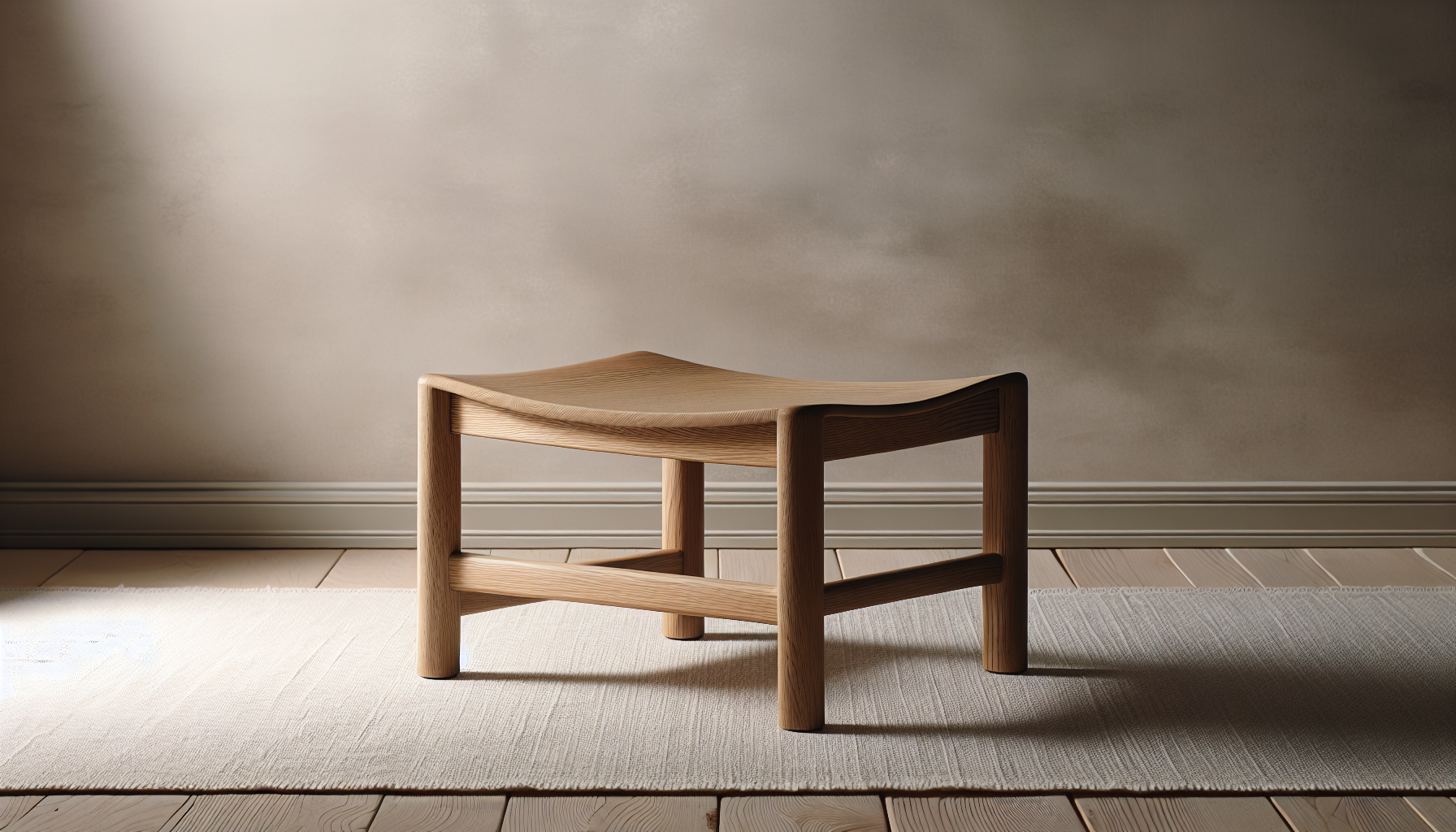
Have you noticed how the term “Japandi” seems to be on every home design mood board lately?
What People Think Japandi Really Means for Home Design
You probably have an image in your head when you hear the word Japandi: calm, minimal, warm, and surprisingly cozy. This article will walk you through what people commonly think Japandi means, where those ideas come from, and how to apply them to your home so the result feels intentional rather than trend-driven.
What people think Japandi really means
Most people imagine a perfect marriage between Japanese minimalism and Scandinavian coziness when they think of Japandi. That mental picture is useful, but it can oversimplify both traditions and lead to some common misconceptions you’ll want to avoid.
Origins and Philosophy of Japandi
Understanding the historical and cultural roots helps you use Japandi with respect and purpose. You’ll find the look draws on deep design philosophies, not just aesthetics.
Where Japandi came from
Japandi emerged as a crossover aesthetic in the early 21st century, popularized by international design blogs and social media. It blends the Japanese focus on simplicity and craftsmanship with Scandinavian warmth and functionality.
Core philosophies behind the style
At its heart, Japandi is about restraint, quality, and harmony between form and function. You’ll notice an emphasis on natural materials, thoughtful negative space, and designs that prioritize usefulness as much as beauty.
Visual Characteristics of Japandi
Knowing the visual cues will help you decide whether this style suits your tastes and how to avoid superficial copies. These cues are what most people use to recognize “Japandi” at first glance.
Shapes, lines, and silhouettes
Japandi favors clean lines, gentle curves, and low-profile furniture that rests close to the floor. You’ll see a mix of geometric Scandinavian shapes softened by the organic proportions often found in Japanese design.
Color palette and contrast
Expect a muted palette with earthy neutrals, warm beiges, greys, and soft blacks, balanced by occasional deep greens or indigos. The idea is subtle contrast rather than bright color pops, so your spaces feel calm and cohesive.
Materials and Textures
Materials are where the two traditions meet and complement each other. If you choose carefully, your home will feel layered and tactile without visual clutter.
Wood, stone, and natural fibers
You’ll use warm woods like oak and walnut alongside lighter birch or bamboo accents. Add stone surfaces and natural fibers—linen, cotton, wool—to create a tactile, human-centered environment.
Finishes and surface treatments
Matte and satin finishes dominate; you’ll avoid high gloss whenever possible. Textured surfaces and hand-finished imperfections add character and a sense of craftsmanship that’s key to authentic Japandi.
Furniture and Layout Principles
Furniture choices and the way you place them determine whether your space reads as intentional Japandi or simply minimalist. This section explains the subtle planning that makes the style work.
Furniture selection: quality over quantity
You’ll choose fewer pieces, but they’ll be well-made and thoughtfully proportioned. Multi-functional furniture with clean engineering aligns well with Japandi values.
Spatial organization and negative space
Open space matters: leave breathing room around objects so each piece can be appreciated. Negative space doesn’t mean emptiness; it’s a design tool that clarifies relationships between items.
Lighting and Ambiance
Light affects perception more than any other element; in Japandi, it’s used to enhance calm and warmth. You’ll design lighting to highlight texture and create a gentle atmosphere rather than to create spectacle.
Natural light and window treatments
Prioritize natural light and use simple treatments—linen or cotton curtains, wooden blinds—that filter rather than block light. You’ll aim to make daylight a central design element.
Artificial lighting and fixtures
Layer your lighting: ambient light for general warmth, task lights where you need them, and accent lights to highlight objects. Fixtures are minimalist, often using simple metal or wood forms that complement rather than dominate.
Textiles, Soft Furnishings, and Comfort
You want your home to feel inviting, so textiles in Japandi are restrained but rich. Layering is subtle: just enough to add warmth without clutter.
Fabrics and patterns
Choose natural fibers in neutral hues and avoid busy patterns. When you do use pattern, make it subtle—geometric or organic motifs in muted tones work best.
Cushioning and layering
You’ll add a few well-chosen cushions and throws to soften furniture edges. The idea is to invite sitting and comfort while keeping visual calm.
Color Theory in Japandi
Color choices are strategic and thoughtful in this style. You’ll be balancing warmth and restraint to achieve a serene atmosphere.
Neutral foundations and accent use
Start with a neutral foundation—off-whites, soft greys, warm beiges—and add accent tones sparingly. Accents are usually earthy or deep, helping to ground the space.
How to balance warm and cool tones
You’ll mix warm wood tones with cool greys or blues to create balance without discord. Aim for harmony: warm elements should invite, cool elements should calm.
Common Interpretations vs. Authentic Practice
People often shortcut the style into a set of visual clichés. Knowing the differences will help you create a space that feels genuine rather than staged.
Popular misconceptions about Japandi
Many think Japandi is simply minimalism with a few wooden pieces and a plant. In truth, it requires thoughtful composition, attention to craft, and respect for restraint.
What authentic Japandi emphasizes
Authentic Japandi emphasizes craftsmanship, utility, and enduring materials. If you focus on these priorities, your design will feel less trendy and more timeless.
Cultural Responsibility and Sensitivity
Because Japandi borrows from distinct cultures, you’ll want to use the aesthetic respectfully. Understanding context matters.
Avoiding cultural appropriation
Don’t reduce Japanese or Scandinavian cultures to mere decor tropes. Learn about the techniques and histories behind the objects you choose, and credit artisans when possible.
Celebrating craftsmanship and provenance
Favor pieces with documented provenance or that support skilled makers. You’ll contribute to ethical design practices by investing in quality and transparency.
Where People Get It Wrong: Practical Pitfalls
Knowing the common mistakes helps you sidestep them. Many homes that try to be Japandi end up feeling sterile, impersonal, or simply confusing.
Over-minimalizing and cold spaces
If you strip everything away, the space can feel cold. You’ll avoid this by adding tactile elements, warm woods, and intentional layering.
Mixing too many trends at once
It’s tempting to throw in trendy items—sculptural lamps, maximalist art—and call it Japandi. Keep a consistent visual language so your design doesn’t become a mishmash.
Room-by-Room: How People Apply Japandi
Applying Japandi in each room requires different priorities. This section gives practical guidance for common living spaces.
Living room strategies
Your living room should prioritize relaxation and connection. Choose a low-profile sofa, wooden tables, minimal decor, and textiles that invite use.
Kitchen and dining principles
In the kitchen, prioritize function and uncluttered surfaces. Use wood cabinetry or open shelves with carefully curated everyday objects to balance beauty and utility.
Bedroom design cues
Bedrooms should feel restorative. Stick to natural linens, a simple bedframe, soft lighting, and limited decor to encourage rest.
Bathroom and entryway ideas
Bathrooms benefit from stone or wood accents and simple storage systems, while entryways should be practical and uncluttered—think a bench, a hook, and a single mirror.
Materials and Sourcing: Where People Think Japandi Pieces Come From
People often assume Japandi furnishings must be from Japan or Scandinavia, but authenticity is more about material and craft. You’ll learn where to look and what to prioritize.
Local vs imported furniture
You’ll often find better value and lower environmental impact by sourcing local woodworking and artisanal supplies. Imported pieces are fine, but prioritize documented craftsmanship.
Ethical and sustainable sourcing tips
Choose durable materials that age well and are responsibly sourced. Look for FSC-certified wood, low-VOC finishes, and brands that disclose their supply chains.
Budgeting and Prioritizing Purchases
People think you need a big budget to do Japandi well, but smart choices can create a similar feel on a moderate budget. Prioritize wisely.
Investment pieces vs affordable accents
Invest in high-quality foundational pieces—sofa, dining table, bedframe—and save on small accessories. Well-made furniture lasts years and creates the backbone of your design.
Where to save and where to splurge
Save on decorative items and textiles that you may change frequently. Splurge on joinery, solid wood tables, and quality upholstery that will withstand daily use.
DIY and Upcycling for a Japandi Look
You can achieve a Japandi vibe with DIY projects and thoughtful upcycling. Creativity lets you bring the aesthetic into your home in a personal way.
Simple DIY projects that match the aesthetic
You might sand and oil a thrifted table, create linen curtains, or craft wooden shelving with clean lines. These small projects add character and reduce waste.
Upcycling and breathing new life into old pieces
Refinish older furniture with natural oils or simple paint colors to make them feel cohesive. You’ll preserve memory and sustainability at the same time.
Practical Day-to-Day Living in a Japandi Home
People sometimes assume you must sacrifice comfort for style. In reality, Japandi is about practical living that supports calmness and ease.
Storage solutions and clutter management
Use intuitive storage systems—baskets, built-in cabinetry, and drawers—so surfaces stay clear. You’ll appreciate the mental freedom that comes from less visible clutter.
Maintaining warmth with kids, pets, and everyday life
Choose hardwearing fabrics and finishes if you have pets or children. Japandi can be family-friendly when you plan for durability.
Lighting, Accessories, and Art: The Finishing Touches
Accessories are the difference between a staged showroom and a lived-in home. You’ll learn how to add personal touches without losing the aesthetic’s coherence.
How to choose art and objects
Select a few meaningful objects rather than many small items. Art should feel quiet and purposeful—think abstract works, muted palettes, or single calligraphic pieces.
Plants and natural accents
Plants add life and a soft contrast to rigid lines. Opt for sculptural plants in simple pots or low-maintenance varieties that resonate with the calm aesthetic.
Case Studies: How People Interpret Japandi in Real Homes
Seeing examples helps you visualize how diverse Japandi can be. Each case below shows a different way people make the style their own.
Small apartment adaptation
In small spaces, people often use low furniture and integrated storage to maximize visual space. You’ll learn to choose multi-purpose pieces and to let negative space do much of the heavy lifting.
Family home adaptation
Families adapt Japandi by prioritizing durable materials and versatile layouts. You’ll see how play areas and storage integrate without compromising the overall sense of calm.
Luxury interpretation
On the higher end, people emphasize bespoke joinery and artisanal objects. You’ll notice a focus on rare materials, custom finishes, and a restrained, gallery-like presentation.
Common Mistakes and How People Correct Them
You’ll probably make a few missteps if you’re trying Japandi for the first time. These common errors are easy to correct with a few adjustments.
Over-accessorizing
Too many accessories defeat the calm you’re trying to achieve. Edit ruthlessly: remove anything that doesn’t serve a practical or emotional purpose.
Ignoring scale and proportion
If furniture and room sizes aren’t in balance, the space will feel awkward. Measure and plan so your pieces relate harmoniously to the room.
Quick Reference Tables
These tables summarize key contrasts and provide a room checklist to help you plan. They make decisions easier when you’re standing in a store or sketching a layout.
| Element | Japanese Design | Scandinavian Design | Japandi Interpretation |
|---|---|---|---|
| Core value | Impermanence, simplicity, ritual | Functionality, coziness, democracy | Harmony between utility and warmth |
| Materials | Bamboo, dark woods, paper, stone | Light woods, wool, leather, ceramic | Natural woods, mixed textures, stone accents |
| Color | Muted, natural, restrained | Light neutrals with occasional pastels | Warm neutrals with deep accent tones |
| Furniture | Low, minimalist, craft-focused | Functional, sculptural, cozy | Low-to-medium height, refined craftsmanship |
| Ornamentation | Minimal, meaningful | Minimal to moderate | Very selective, purposeful |
Room-by-room checklist:
| Room | Must-haves | Optional |
|---|---|---|
| Living Room | Low sofa, wooden coffee table, soft rug | Accent chair, statement lamp |
| Kitchen | Simple cabinetry, open shelf for curated items | Wooden cutting boards, ceramic pitchers |
| Bedroom | Quality mattress, linen bedding, minimal nightstand | Throw blanket, low bench |
| Bathroom | Stone or wood accents, simple storage | Potted plant, wooden stool |
| Entryway | Practical bench, hook or minimal storage | Small art or decorative bowl |
Hiring Professionals vs Doing It Yourself
You’ll decide whether to hire a designer or handle the project yourself based on budget, complexity, and your confidence. Both approaches can succeed with clear priorities.
When to hire a professional
Hire a designer if you need structural changes, custom joinery, or help with layout. A professional can translate the philosophy into a livable plan that avoids common mistakes.
What you can reasonably DIY
You can handle paint, textiles, furniture assembly, and small carpentry projects yourself. Start with simple improvements that give immediate, tangible impacts.
Final Design Checklist: How People Know They’ve Got Japandi Right
This practical checklist helps you refine your decisions and make final edits without overthinking. Use it as a last pass before calling a room finished.
- Do you have more space than objects? Aim for breathing room around furniture.
- Are materials natural and tactile? Prefer wood, stone, and linen.
- Is each piece purposeful? Remove anything purely decorative with no function.
- Does the color palette feel calm and intentional? Keep accents restrained.
- Are textures layered but not busy? Add subtle contrasts to prevent flatness.
- Is lighting warm and layered? Combine ambient, task, and accent lighting.
Frequently Asked Questions People Often Ask
Answering common questions helps you clear lingering doubts so you can move forward with confidence. These questions reflect the most common uncertainties people have.
Can I mix Japandi with other styles?
Yes, but be cautious. You can integrate elements—like a mid-century piece or a bohemian rug—if they respect Japandi’s restraint and material honesty.
Is Japandi suitable for small homes?
Absolutely. Japandi’s emphasis on functionality and negative space often benefits small spaces by reducing visual noise and maximizing usability.
How do I maintain the look over time?
Maintain natural materials with appropriate cleaning and care. Rotate textiles and edit accessories seasonally to keep the space feeling fresh without clutter.
Conclusion: What Japandi Really Means for Your Home
Ultimately, Japandi is less a rigid formula and more a set of values: simplicity, quality, warmth, and intention. When you apply those values to your home, you create a space that feels both restful and practical.
You can think of Japandi as a guideline for living with less but better—less clutter, better-made objects, and spaces that support calm daily routines. If you keep craftsmanship, comfort, and restraint at the center of your decisions, your interpretation of Japandi will feel authentic and sustainable rather than surface-level.
If you’d like, you can tell me which room you’re redesigning and the pieces you already own, and I’ll help you create a Japandi plan tailored to your needs.