
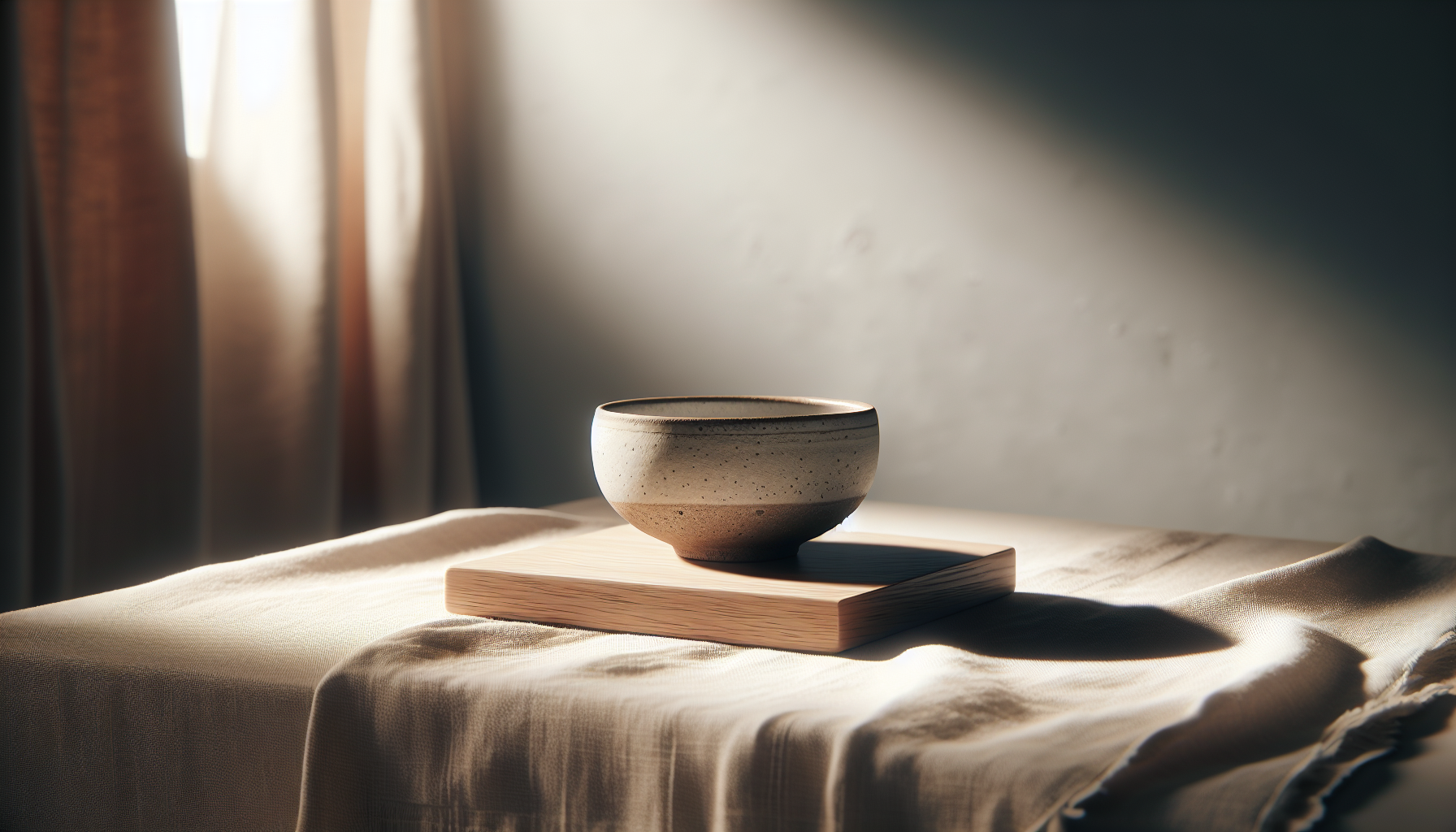
?Have you ever wondered why Japandi seems to mean different things to different people, and what actually defines the style?
What people think Japandi really means
You probably encounter images labeled “Japandi” online and assume it’s a simple blend of Japanese and Scandinavian design. Many people think it’s just a mashup of minimalism and hygge, but the reality is richer, subtler, and rooted in principles that shape how you live in a space.
Origins and background of the term
People often trace Japandi to modern design trends that combined Japan’s wabi-sabi aesthetics with Scandinavian functionalism. The term emerged from lifestyle publications and social media, where visuals and curation created a simplified definition that spread quickly.
Japandi is not a historical movement so much as a contemporary synthesis. It draws on centuries-old Japanese design sensibilities and 20th-century Scandinavian principles, both reframed for today’s interest in calm, sustainable living.
The common misconceptions
Most misunderstandings come from equating Japandi with bland minimalism or cold, sterile interiors. You might assume that neutral colors and empty surfaces are all you need, but that misses the emphasis on warmth, texture, and intentionality.
Another common mistake is thinking Japandi requires specific furniture brands or expensive imports. In reality, the look is defined more by proportion, material choice, and restraint than by big-ticket items.
Core principles of authentic Japandi
You’ll find that true Japandi rests on a few guiding ideas: simplicity with soul, functional beauty, and respect for natural materials. Those principles inform how you choose objects, arrange space, and use color.
Minimalism in Japandi isn’t about emptiness; it’s about leaving space for calm and functionality. With that approach, every item has a reason to be present and contributes to the room’s overall balance.
Wabi-sabi: imperfect beauty
One of the Japanese roots of Japandi is wabi-sabi, a philosophy that celebrates imperfection and transience. You’ll notice textures, subtle asymmetry, and handcrafted elements that remind you objects age gracefully and tell a story.
Wabi-sabi encourages you to favor simplicity, authenticity, and materials that age naturally, such as unfinished wood, hand-thrown ceramics, and linen textiles. These elements add warmth without cluttering the visual field.
Scandinavian functionalism and coziness
From Scandinavia comes a focus on functionality, light, and comfortable living that doesn’t sacrifice aesthetics. You’ll recognize clean lines, efficient storage, and layered textiles that make spaces feel inviting rather than austere.
Scandinavian influence brings a practical sensibility: furniture that serves multiple purposes, lighting designed to combat long, dark winters, and soft textiles that create tactile warmth in minimal spaces.
Balance between warmth and restraint
Japandi aims for a balance: warmth from natural materials and textiles, restraint from clean lines and selective ornamentation. You should feel comfortable and calm, not overwhelmed by decorative excess or cold minimalism.
This balance allows you to appreciate individual objects, negative space, and the way light interacts with surfaces. When done right, the interior feels intentional and humane.
Visual vocabulary: colors, materials, and textures
To get the look, you’ll focus on certain palettes and materials that communicate calm and authenticity. These choices are tools to evoke a mood rather than rules to follow rigidly.
Start by choosing a restrained color palette and layer texture to keep spaces from feeling flat. Natural finishes and tactile fabrics play a major role.
Color palette essentials
Japandi color schemes typically combine soft neutrals with warm woods and muted accents. You’ll see off-whites, soft beiges, warm greys, and deep muted greens or blues used sparingly.
Accent colors are used to emphasize and ground the room, not to dominate it. Think in terms of subtle contrasts rather than bright focal points.
Wood tones and finishes
Wood is central to Japandi, but the finish matters as much as the species. You’ll favor light to medium wood tones with visible grain, and you’ll often see matte or natural oil finishes rather than high-gloss lacquers.
Mixing wood tones is acceptable when done thoughtfully; the idea is to create harmony rather than jarring contrast. The presence of wood brings warmth and a tactile, lived-in quality.
Textiles and soft furnishings
Textiles add tactile warmth and a human scale to rigid geometry. You should choose natural fibers—linen, wool, cotton—and use them in drapes, cushions, throws, and rugs to provide softness and visual depth.
Layering is important: one rug, one throw, a few carefully selected cushions will feel intentional rather than cluttered. Patterns are generally subtle and organic when used.
Surfaces and ceramics
Ceramics and pottery that show handcraft are prized because they embody wabi-sabi. You’ll look for muted glazes, irregular forms, and tactile surfaces that invite touch.
Stone, concrete, and matte tiles can be used but are balanced by warmer elements to avoid coldness. The overall aim is harmony between tactile finishes.
Furniture and layout: function first
Furniture in Japandi is about proportion, function, and calm lines. You should choose pieces that fit the scale of your room and have a clear purpose.
Low-profile seating, simple storage solutions, and pieces that are both beautiful and functional dominate the style. Avoid over-decoration and prioritize items that enhance daily life.
Key furniture characteristics
Look for simple silhouettes, low heights, and tapered legs that hint at Scandi design, combined with Japanese restraint and craftsmanship. The joinery and details are often subtle but refined.
Multipurpose furniture is valued because it supports a lifestyle of simplicity: a bench that doubles as storage, a coffee table with clean lines, or modular shelving systems that feel open and airy.
Room-by-room practical tips
When arranging spaces, think about sightlines and the relationship between objects, not just filling floor area. You should prioritize movement and breathing room that encourages calm and ease of use.
In living areas, anchor the room with a simple rug and arrange seating to encourage conversation and visual balance. In bedrooms, keep decor minimal and focus on quality bedding and uncluttered surfaces to promote rest.
Scale and negative space
Controlling scale is essential: oversized furniture in a small room defeats the aim of calm, while too-small pieces can feel fragile. You’ll find the right balance by respecting the room’s proportions and allowing negative space to play a role.
Negative space is not empty space to be feared; it’s an active design element that highlights what you keep. It gives your eye places to rest and increases the perceived quality of selected objects.
Lighting: natural, layered, and soft
Lighting in Japandi supports the mood rather than drawing attention. You should use natural light as much as possible and supplement it with layered artificial lighting for evening comfort.
Soft, warm light sources, simple fixtures, and dimmable options are the norm. Harsh overhead light is typically avoided in favor of several lower-intensity sources.
Natural light and window treatments
Maximizing daylight aligns with both Japanese and Scandinavian traditions. You should use translucent curtains or simple blinds that let light filter in while offering privacy.
Windows are treated with restraint: no heavy draperies or elaborate valances, only treatments that support calm, diffuse illumination. This approach helps you feel connected to the outdoors.
Layered artificial lighting
Layered lighting combines ambient, task, and accent sources to create an adaptable environment. You’ll use pendant lamps, table lamps, and floor lamps with warm bulbs to create a cozy atmosphere.
Choose fixtures with simple forms and natural materials like paper, wood, or matte metals to keep the visual language consistent. The goal is to emphasize comfort and usability.
Plants and nature: controlled greenery
Plants are used to introduce life and organic shape into Japandi spaces, but they’re not overused. You should choose plants that align with the clean aesthetic and keep them well-groomed.
A few well-placed specimens—such as a fiddle leaf fig, snake plant, or bonsai—can have more impact than many small pots. The container design also matters: ceramic, unglazed terracotta, or simple wood planters suit the look.
Bringing nature inside tastefully
Natural elements like stone, wood slices, and dried branches are used sparingly to add texture and visual interest. You’ll prefer elements that feel curated and intentional rather than random.
Fresh-cut flowers are used in a simple vase when you want temporal beauty; otherwise, preserved botanicals or simple potted plants provide longer-term calm. The emphasis is on quiet, natural accents.
Common mistakes people make
A lot of rooms labeled Japandi fail because they miss the subtleties that create cohesion and warmth. You may be tempted to follow a checklist of items rather than the underlying principles.
Many mistakes come from tokenism—adding one “Japanese” bowl and one “Scandi” lamp—but failing to harmonize proportion, material, and color. Real success requires synthesis, not collage.
Making it look like a showroom
Over-curating for photography can lead to spaces that look staged rather than lived-in. You should aim for authenticity: items that you use and love, arranged with restraint.
Showroom-style spaces often lack functional storage and personal touches that make a home comfortable. Prioritize usability so the room feels both beautiful and livable.
Using too many trendy pieces
Trends come and go; using trendy colors or patterns indiscriminately can date the room quickly. Focus on classics and neutral foundations, then add small contemporary accents if you wish.
Invest in quality pieces that age gracefully rather than fast-fashion furniture. The aim is enduring style rather than a look that you’ll tire of in a season.
How to implement Japandi in your home
You can adopt Japandi gradually, room by room, or commit to a fuller refresh. The most effective approach is to start with decluttering and assessing what already works before buying anything new.
Begin by identifying key pieces to keep, then choose complementary items that fit the scale and color palette. Small, deliberate changes will have a significant impact over time.
Step-by-step practical plan
First, clear surfaces and remove duplicates of items that serve the same purpose. Next, choose a neutral base palette and add one or two warm wood tones to tie things together.
After that, focus on textiles and lighting to create tactile warmth. Finally, add a few handcrafted ceramics or plants to complete the look while keeping the room functional and uncluttered.
Budgeting and sourcing
You don’t need a huge budget to achieve Japandi; smart shopping, secondhand finds, and DIY refinishing can take you a long way. Prioritize countertops and big furniture pieces for quality while economizing on accessories.
Many thrift stores, estate sales, and local artisans offer pieces that fit the aesthetic at lower cost than brand-new items. Refinishing a thrifted wood table or sewing simple linen curtains is often more affordable and more authentic.
Room-by-room suggestions
Each room has unique needs and opportunities when you apply Japandi principles. You should tailor the approach to the function and traffic patterns of the space.
Below are condensed suggestions for key rooms to give you actionable ideas without overwhelming you.
Living room
Keep seating arrangements low and inviting, with a simple coffee table and minimal shelving. You’ll want one or two accent pieces—such as a single sculptural lamp or a hand-thrown vase—to anchor the room.
Use a rug to define the seating area and layer textures with a throw and one or two cushions. Avoid too many decorative accessories; instead, highlight a few meaningful objects.
Kitchen and dining
In the kitchen, focus on functional storage and open shelving for a curated selection of dishes. Natural wood cutting boards, simple ceramics, and uncluttered counters make the space feel intentional and useful.
In the dining area, choose a solid wood table with clean lines and comfortable chairs that invite lingering. A simple pendant light and minimal table setting reinforce the calm atmosphere.
Bedroom
Simplicity and comfort are paramount in the bedroom: choose a low-profile bed, quality linens, and minimal nightstand clutter. You should aim for restfulness with dimmable lighting and soft textures.
Limit the palette to neutral tones with one subtle accent, and keep storage solutions hidden to maintain tranquility. A single piece of wall art or a plant can be a soothing focal point.
Bathroom
Bathrooms benefit from natural materials and well-considered storage. Choose stone or wood accents, simple fittings, and soft towels in neutral tones.
Keep surfaces clear and incorporate baskets or closed cabinetry to conceal toiletries. A small vase or handcrafted soap can provide a warm, personal touch.
Shopping and brands: what to look for
When you shop for Japandi, look for honest materials, simple manufacturing, and good proportion. Avoid overly ornate or trendy mass-market items that conflict with the understated aesthetic.
Local artisans, certain Scandi brands, and traditional Japanese crafts suppliers are all useful sources. Don’t be afraid to mix affordable and high-end items deliberately to create a layered, lived-in effect.
Sustainable and ethical choices
Japandi values natural aging and craftsmanship, so sustainable and ethical sourcing fits naturally with the ethos. You should prioritize durable materials and makers who produce thoughtfully.
Repairability and longevity are worth investing in; choose pieces that you can maintain or restore rather than discard. This approach saves money long term and supports a calmer lifestyle.
Visual examples and comparisons
To clarify how Japandi differs from related styles, here’s a short comparison table showing key traits. You can use this to guide decisions when you’re unsure how an element fits the style.
| Style | Key traits | What to avoid |
|---|---|---|
| Japandi | Warm minimalism, natural materials, wabi-sabi + Scandinavian function | Over-decoration, extreme minimal coldness |
| Scandinavian | Light, functional, cozy textiles, bright neutrals | Heavy ornate detailing, Asian motifs without restraint |
| Japanese (traditional) | Wabi-sabi, tatami scale, natural finishes, muted palette | Mass-produced ornamentation, bright colors |
| Minimalist (generic) | Sparseness, monochrome palettes, strict reduction | Lack of warmth or texture, clinical feel |
Use the table as a quick reference so you can evaluate choices when shopping or rearranging.
Maintenance and living with Japandi
Japandi supports living simply but beautifully, and that includes maintenance habits you’ll adopt to keep the space functioning and calm. You’ll need to commit to regular decluttering and gentle care of materials.
Natural wood benefits from periodic oiling, textiles should be laundered appropriately, and ceramics can be cleaned with care to maintain their character. These practices keep the space feeling intentional and loved.
Daily habits for a Japandi home
Small daily routines—clearing surfaces each evening, storing items immediately, and wiping down counters—help maintain the look without stress. You’ll find routines become part of the calm lifestyle the design supports.
Keep a small toolkit for quick repairs and a rotation plan for textiles to reduce wear from heavy use. Caring for fewer, better items is less work than maintaining many cheap objects.
Common questions answered
You likely have practical questions about how rigidly you must follow the aesthetic or how to blend it with existing tastes. The good news is that Japandi is adaptable and meant to be lived in, not worshipped as a strict formula.
You can incorporate pieces you already love by evaluating them against Japandi principles—does the piece contribute warmth, function, or texture? If so, it may belong; if it conflicts with the calm, consider repositioning or replacing it.
Can Japandi work in small spaces?
Yes, Japandi excels in small spaces because it emphasizes proportion and multifunctional furniture. You should maximize light, choose appropriately scaled pieces, and use vertical storage to maintain openness.
Avoid overcrowding and favor furniture with legroom underneath to create a sense of airiness. Mirrors and natural light further enhance spatial perception.
Is Japandi practical for families?
Japandi can be family-friendly if you choose durable materials and practical storage. You should balance aesthetics with the realities of daily use, choosing stain-resistant textiles and robust finishes.
Teach simple routines for tidiness and create zones for different activities to maintain serenity without expecting perfection.
Final checklist to get started
To help you act on the principles, here’s a compact checklist you can follow as you redesign or refresh a room. Use it as a quick reference during shopping or rearranging.
| Step | Action |
|---|---|
| 1 | Declutter surfaces and remove duplicates |
| 2 | Identify two primary wood tones and a neutral base palette |
| 3 | Choose one high-quality furniture anchor (sofa, bed, table) |
| 4 | Layer textiles: rug, throw, 1–2 cushions |
| 5 | Add 1–3 handcrafted objects (ceramic, wood piece, vase) |
| 6 | Introduce a plant and natural lighting treatments |
| 7 | Ensure storage solutions hide daily clutter |
| 8 | Maintain daily rituals for tidiness and care |
Follow this checklist step by step and adapt it to your budget and timeline for practical progress.
Conclusion: what people should actually understand
What people often call Japandi is not a surface-level trend but a thoughtful approach to living with restraint, warmth, and respect for materials. You’ll get the best results by focusing on proportion, natural finishes, and intentional curation rather than copying images.
When you embrace the principles, your home will feel calmer, more functional, and more personal. The aim is a balanced synthesis that supports how you live, not just how your room looks for a photograph.