
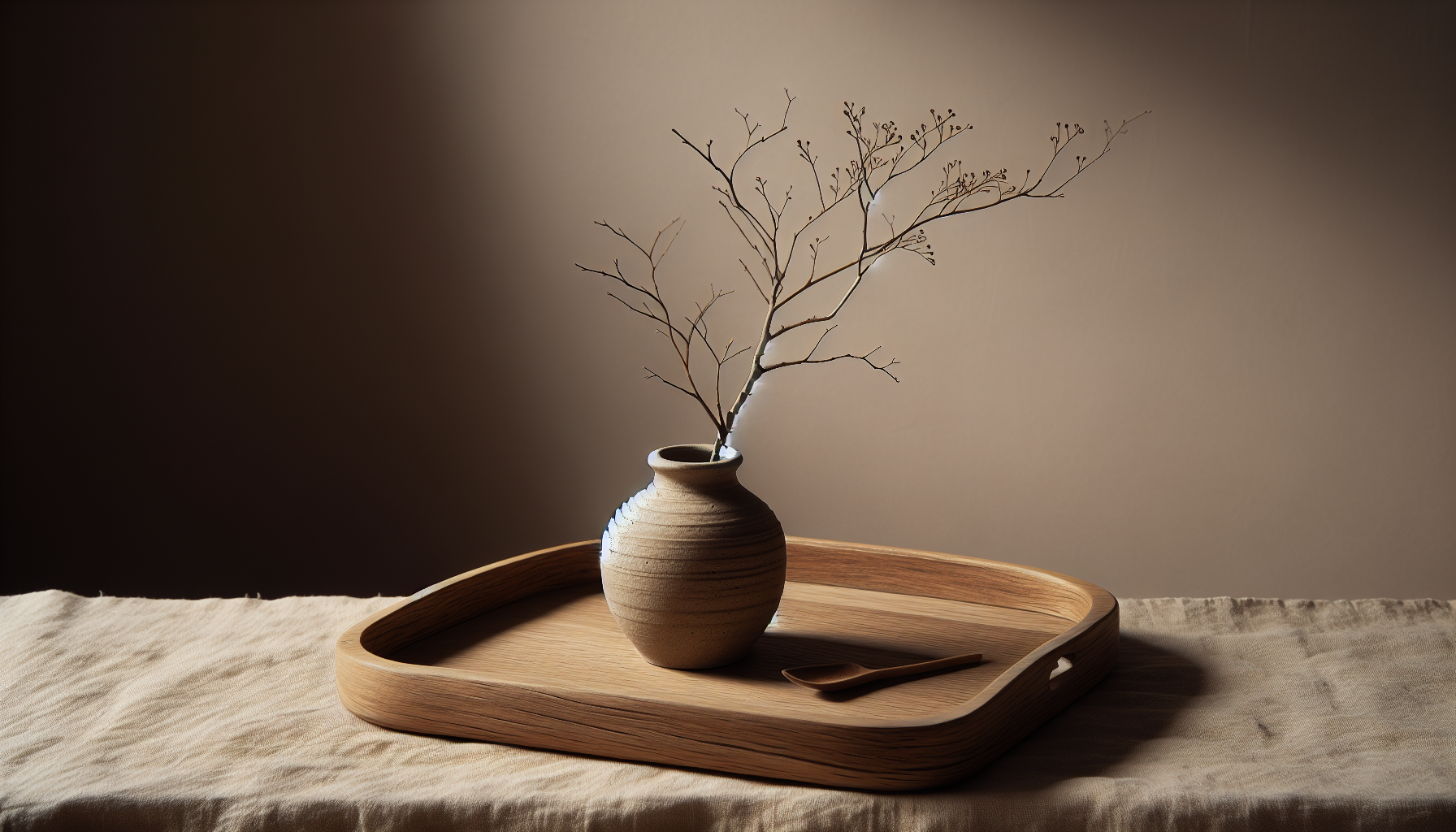
Have you ever wondered how your home could feel calmer, more purposeful, and quietly beautiful without sacrificing comfort?
Japandi as a Guide to Serene Home Interiors
Japandi is a hybrid design aesthetic that marries Japanese simplicity and Scandinavian functionality. When you use Japandi as a guide, you get interiors that feel uncluttered, warm, and carefully curated. This article will help you understand what Japandi truly means, correct common misconceptions, and give you practical steps to bring serenity into every room of your home.
What people think Japandi really means
Many people assume Japandi is simply a mix of Scandinavian minimalism and Japanese minimalism. While the surface similarities are true, Japandi is more than a direct mash-up. It’s a thoughtful fusion that balances the cozy, functional warmth of Scandinavian design with the restrained elegance and wabi-sabi acceptance of imperfection from Japanese aesthetics. When you get this balance right, your space feels intentional rather than sterile.
Origins and philosophy of Japandi
You’ll appreciate Japandi more when you know where it comes from and what it values. The style originated from a cultural and design exchange between Northern Europe and Japan, emphasizing sustainability, craftsmanship, and emotional comfort.
Japanese design roots
Japanese design values calm, simplicity, and a respectful relationship with natural materials. You’ll notice an emphasis on negative space, subtle textures, and handcrafted items. The philosophy often includes wabi-sabi, which accepts imperfection and transience, encouraging you to favor authentic, weathered materials that tell a story.
Scandinavian design roots
Scandinavian design focuses on functionality, light, and warmth, especially important in regions with long winters. You’ll find soft textiles, efficient layouts, and a preference for light tones that enhance natural light. The aim is to create cozy, practical living environments that feel welcoming.
How the two philosophies combine
In Japandi, you’ll merge Japanese restraint with Scandinavian warmth. This pairing allows you to keep spaces minimal yet inviting, employing honest materials, clean lines, and functional design. The result is a curated calm where every item has a clear purpose or adds quiet beauty.
Core principles of Japandi design
Understanding the core principles gives you a solid foundation for creating a Japandi interior. You can use these principles as a checklist when choosing furniture, paint, and accessories.
Simplicity with intention
Simplicity isn’t about emptiness; it’s about selecting fewer, better things. You’ll learn to be intentional with each item, prioritizing function and form. This mindset reduces clutter and increases your appreciation for the pieces you keep.
Natural materials and craftsmanship
You should favor materials like wood, stone, linen, and ceramics. These materials age gracefully and provide tactile warmth that synthetic materials can’t match. Choosing quality craftsmanship over mass-produced items supports durability and visual harmony.
Neutral, warm color palettes
Japandi color schemes are muted and earthy, with a mix of warm neutrals and subtle contrasts. You’ll work with soft whites, beige, muted greens, deep charcoals, and wood tones to create balance and depth without high-contrast drama.
Balance of form and function
Everything in a Japandi home serves a purpose and looks good doing it. You’ll choose furniture with clean lines that are comfortable and useful, allowing beauty to emerge from practicality.
Mindful use of space
Negative space is as important as the objects within it. You’ll leave breathing room around furniture and decor so each piece can be appreciated. This creates an overall feeling of calm and order.
Common misconceptions about Japandi
When people first hear “Japandi,” they often get the wrong idea. Correcting these myths will help you adopt the style in a way that feels true, not trendy.
It’s not just minimalism
If you equate Japandi with extreme minimalism, you’ll miss its warmth. Minimalism often focuses on starkness, while Japandi balances simplicity with comfort. You can have layers—textiles, subtle decor, and thoughtful color—without clutter.
It’s not cold or clinical
Even though Japandi uses clean lines and uncluttered layouts, the emphasis on wood, soft textiles, and natural light ensures the result is warm and hospitable. You’ll avoid coldness by mixing textures and natural finishes.
It’s not only for modern homes
Japandi adapts to different architectural styles. You can bring its principles into older homes, lofts, or compact apartments. The emphasis on flexible, functional pieces makes it versatile.
Color palette and materials: what to choose
The color palette and materials define the tactile and visual identity of your space. You’ll want choices that create harmony and longevity.
Recommended color palette
You’ll aim for warm neutrals with low saturation. Common colors include:
- Soft whites and off-whites
- Beige and sand tones
- Warm grays and charcoals
- Muted greens and blues
- Natural wood tones (light to medium)
These colors work together to create a calm atmosphere that complements natural light.
Materials to prioritize
Natural, honest materials support the Japandi look. Prioritize:
- Wood (oak, ash, walnut) — for furniture and flooring
- Stone (marble, granite) — for countertops and accents
- Ceramics — for tableware and decor
- Linen and cotton — for upholstery and textiles
- Bamboo and rattan — for accents and storage
Materials to avoid or restrict
You should avoid or minimize high-gloss plastics, heavy veneered particleboards, and overly synthetic textiles that disrupt the natural material narrative. When you use metals, choose matte or brushed finishes.
Furniture and layout: simplicity meets comfort
Furniture choices and placement define how you live in the space. Japandi prioritizes low, functional furniture with an emphasis on horizontal lines.
Choosing furniture
Select pieces that are functional, handcrafted if possible, and that use natural materials. Low-profile sofas and wooden tables with visible joinery are hallmarks. You’ll prefer pieces with subtle details rather than ornate decoration.
Layout principles
Arrange furniture to enhance movement and sightlines. Create clear pathways and avoid overcrowding. Negative space around focal pieces highlights their importance. You should place seating to encourage conversation and connect with natural light sources.
Multipurpose and compact solutions
If space is limited, choose furniture that can serve multiple functions: nested tables, benches with storage, or foldable desks. Japandi’s restrained style makes multipurpose pieces look intentional rather than makeshift.
Textures, textiles, and soft furnishings
Texture adds warmth and depth to a Japandi room. You’ll layer textiles to create tactile interest without overwhelming the space.
Textile choices
Linen, cotton, wool, and natural-fiber rugs are excellent choices. You’ll choose muted patterns or solid colors to keep the emphasis on texture rather than bold prints. Throw blankets and cushions should feel soft and natural.
Rugs and floor treatments
Rugs help define areas and add comfort. Use low-pile, natural-fiber rugs with subtle patterns or solid muted colors. Layering a smaller textured rug over a plain rug can add a crafted look without visual noise.
Curtains and shades
Choose simple window treatments that filter light rather than block it entirely. Sheer linen curtains, light Roman shades, or wooden blinds are good options. The goal is to enhance natural light and maintain a calm color field.
Lighting: natural and warm
Lighting sets mood and supports the functionality of each space. You’ll aim for layered, warm lighting that enhances natural light.
Maximize natural light
Whenever possible, maximize daylight with unobstructed windows, light curtains, and reflective surfaces that aren’t high-gloss. Natural light makes muted colors feel lively and alive.
Layered lighting
Use a combination of ambient, task, and accent lighting. Ambient lighting provides overall illumination, task lighting supports specific activities, and accents highlight art or architectural features. Choose fixtures with simple silhouettes and warm bulbs.
Fixture materials and styles
Choose fixtures made of wood, matte metal, paper, or ceramic. Lantern-style pendants and minimal floor lamps complement Japandi’s soft geometry.
Plants and biophilic elements
Plants are an easy and affordable way to introduce life and softness. You’ll select species and placements that feel natural and intentional.
Choosing plants
Pick plants with simple, sculptural leaves—like pothos, rubber plant, fiddle leaf fig, or sansevieria. Bonsai or small potted Japanese maples can add a refined touch. Use pots made of clay, ceramic, or textured stone.
Placement and styling
Place plants where they can thrive and where they balance the room composition. A single larger plant can anchor a corner; a cluster of small plants can enliven shelves. Avoid overcrowding—space is part of the aesthetic.
Room-by-room guide
Translating Japandi principles into specific rooms makes implementation easier. Use this practical guide to transform each major space.
Living room
Your living room should feel open and inviting. Start with a low-profile sofa in a neutral tone, add a wooden coffee table, and include a textured rug. Keep decor minimal—one or two carefully chosen art pieces and a plant are enough.
Bedroom
The bedroom is where serenity matters most. Choose a simple wooden bed frame, natural-linen bedding, and minimal nightstands. Keep surfaces clear and use soft ambient lighting to promote relaxation.
Kitchen
In the kitchen, you’ll prioritize functional storage and natural materials. Wooden open shelving, ceramic dishware, and simple hardware create a calm workspace. Keep countertops uncluttered; store appliances out of sight when possible.
Dining area
Choose a wooden dining table with clean lines and comfortable chairs. Tableware should be handmade or have subtle textures. A pendant light over the table creates a focal point without unnecessary ornament.
Bathroom
Bathrooms benefit from stone or ceramic materials and soft textiles. Use wooden accessories, minimal hardware, and plush towels in muted colors to create a spa-like feel.
Home office
A simple desk with adequate storage, an ergonomic chair, and good task lighting will keep your workspace calm and efficient. Add a small plant or a piece of pottery for a personal touch.
Storage strategies for calm interiors
Good storage keeps your space serene. Japandi encourages concealed storage and clever organization to maintain clean lines.
Built-in and multifunctional storage
Built-ins and furniture with hidden compartments help maintain visual calm. You’ll use low credenzas, benches with storage, and wall-mounted shelving that appears floating.
Decluttering rituals
Create routine decluttering habits that prevent accumulation. You’ll benefit from seasonal edits—donate, recycle, or sell items you no longer use. Aim for fewer surfaces to clean and fewer items to manage.
Labeling and containment
Use natural material baskets and boxes to contain smaller items. Labels can be subtle and simple—wood tags or plain paper—so everything has a home but doesn’t call attention to itself.
Lighting your budget: affordable ways to achieve the look
You don’t need to spend a fortune to get a Japandi feel. You can achieve the style with strategic, budget-friendly choices.
Prioritize key pieces
Invest in one or two quality key pieces—like a sofa or dining table—and buy affordable complementary items. Quality where you touch most or spend most time pays off.
Upcycle and refinish
You can refinish thrifted wooden furniture to give it a Japandi edge. Sand and oil a secondhand table instead of buying new. This approach is sustainable and cost-effective.
Affordable materials that read as natural
There are cost-effective alternatives that still feel natural: bamboo veneers, linen-look cottons, and ceramic-look tiles. Use them judiciously to keep budget down without compromising aesthetic.
Common mistakes and how to avoid them
Even with the best intentions, it’s easy to misapply Japandi principles. These tips will help you steer clear of common pitfalls.
Over-minimalizing
If you remove too many items, your home can feel sterile. Keep a few tactile, personal items that bring warmth.
Mixing too many trends
Japandi works because it’s restrained. Avoid layering in multiple unrelated trends—stick to the core palette and materials for coherence.
Neglecting comfort
Don’t sacrifice seating comfort for looks. Choose ergonomically sound furniture that you’ll actually use. A beautiful room isn’t useful if it feels unwelcoming.
Sample shopping list and budget guide
Here’s a simple list to get started, with a budget-conscious and a premium option per category.
| Item | Budget option | Premium option |
|---|---|---|
| Sofa | Simple neutral fabric sofa | Handcrafted linen sofa |
| Coffee table | Refinished thrift table | Solid oak low table |
| Dining table | Pine table from flat-pack | Solid wood Scandinavian table |
| Bed frame | Simple wood slat frame | Platform bed with visible joinery |
| Rug | Jute or cotton rug | Handwoven wool or natural-fiber rug |
| Lighting | Minimal pendant from mass retailer | Paper lantern or designer pendant |
| Storage | Baskets and simple shelving | Built-in cabinets with sliding doors |
| Decor | Ceramic vases, small plant pots | Handmade ceramics and sculptural pieces |
Use this as a guideline—you’ll mix and match according to taste and budget.
DIY tips and small changes that make a big impact
You can apply Japandi principles with small, achievable projects that transform your space.
Refinish wooden furniture
Sanding and oiling can revive old furniture and give it a warm, natural finish. You’ll be surprised how much this changes the room’s tone.
Swap textiles
Change cushion covers, throws, and curtains to linen or cotton in muted tones. This simple swap can immediately alter the mood.
Edit shelves and surfaces
Remove excess items and keep one or two meaningful objects per shelf. Arrange books horizontally and vertically for visual balance.
Maintenance and longevity
A Japandi home is designed for durability and long-term enjoyment. Maintenance keeps it looking intentional rather than neglected.
Care for natural materials
Follow manufacturer instructions: oil wood periodically, hand-wash or follow linen care guides, and avoid harsh chemicals on stone and ceramics. Proper care extends the life and beauty of your pieces.
Seasonal refresh
Rotate textiles seasonally to keep things feeling fresh. Lighter fabrics in summer and cozier textiles in winter help the space adapt to your needs.
Sustainability and ethical choices
Japandi naturally aligns with sustainable, ethical practices because it emphasizes longevity and craftsmanship. You’ll get better results when you consider environmental and social impact.
Buy less, buy better
Choosing fewer, high-quality items reduces waste and supports artisans and sustainable brands. Seek pieces with transparent sourcing and durable construction.
Reuse and repurpose
Thrifted furniture, refurbished items, and handmade objects not only reduce environmental footprint but also add character. You’ll appreciate objects with a backstory.
Local and handmade
Whenever possible, choose local artisans or makers who use sustainable practices. This supports the local economy and reduces transportation emissions.
Case studies: short examples of successful Japandi rooms
Reading real examples helps you visualize how Japandi translates to actual spaces. Here are two short cases.
Small apartment living room
You’ll see a small living room transformed by swapping a bulky sofa for a low, neutral sofa, adding a light oak coffee table, and using a large textured rug to define the seating area. A single sculptural ceramic vase and a floor plant reduced clutter while adding life.
Family dining room
In a family space, a solid wood table is paired with upholstered Scandinavian-style chairs. Open shelving showcases curated ceramics and practical dishes. A simple paper pendant light anchors the table, creating warmth without fuss.
FAQs about Japandi design
These are common questions you might have as you start implementing Japandi.
Is Japandi the same as minimalism?
No. Minimalism often focuses on reducing possessions as much as possible. Japandi values minimal, meaningful objects and warmth, not extreme emptiness. You’ll aim for a curated, comfortable simplicity.
Can Japandi work in a small home?
Absolutely. Japandi principles—efficient storage, multifunctional furniture, and emphasis on light—are ideal for smaller spaces. You’ll feel more spacious with careful editing and smart furniture choices.
How do you add color without losing the aesthetic?
Add muted, low-saturation colors through textiles, art, or a single painted accent wall. You’ll maintain balance by keeping color restrained and grounded in natural tones.
Final checklist: how to start your Japandi transformation
Use this checklist as a practical roadmap you can follow room by room.
- Clear and edit: Remove non-essential items from each room.
- Choose a neutral base palette: Select two to three base colors.
- Prioritize key furniture: Invest in one or two high-quality pieces.
- Add natural materials: Introduce wood, stone, linen, and ceramics.
- Layer textures: Use rugs, throws, and cushions for warmth.
- Simplify lighting: Maximize daylight and add warm, layered fixtures.
- Introduce plants: Add life with a few well-placed plants.
- Organize storage: Use hidden and stylish storage solutions.
- Personalize sparingly: Keep a few meaningful objects visible.
- Maintain and care: Establish simple maintenance routines.
If you follow these steps, you’ll create a home that feels calm, functional, and emotionally resonant—true to what Japandi is meant to be.
Closing thoughts
Creating a Japandi interior is more about a mindset than a checklist. When you commit to intentionality—choosing quality, honoring natural materials, and making space for quiet—you’ll find your home becomes a place that supports rest and presence. Small choices add up: one quality table, a thoughtfully chosen lamp, a single artisan bowl—these items will transform your daily life and make your home feel serenely yours.