
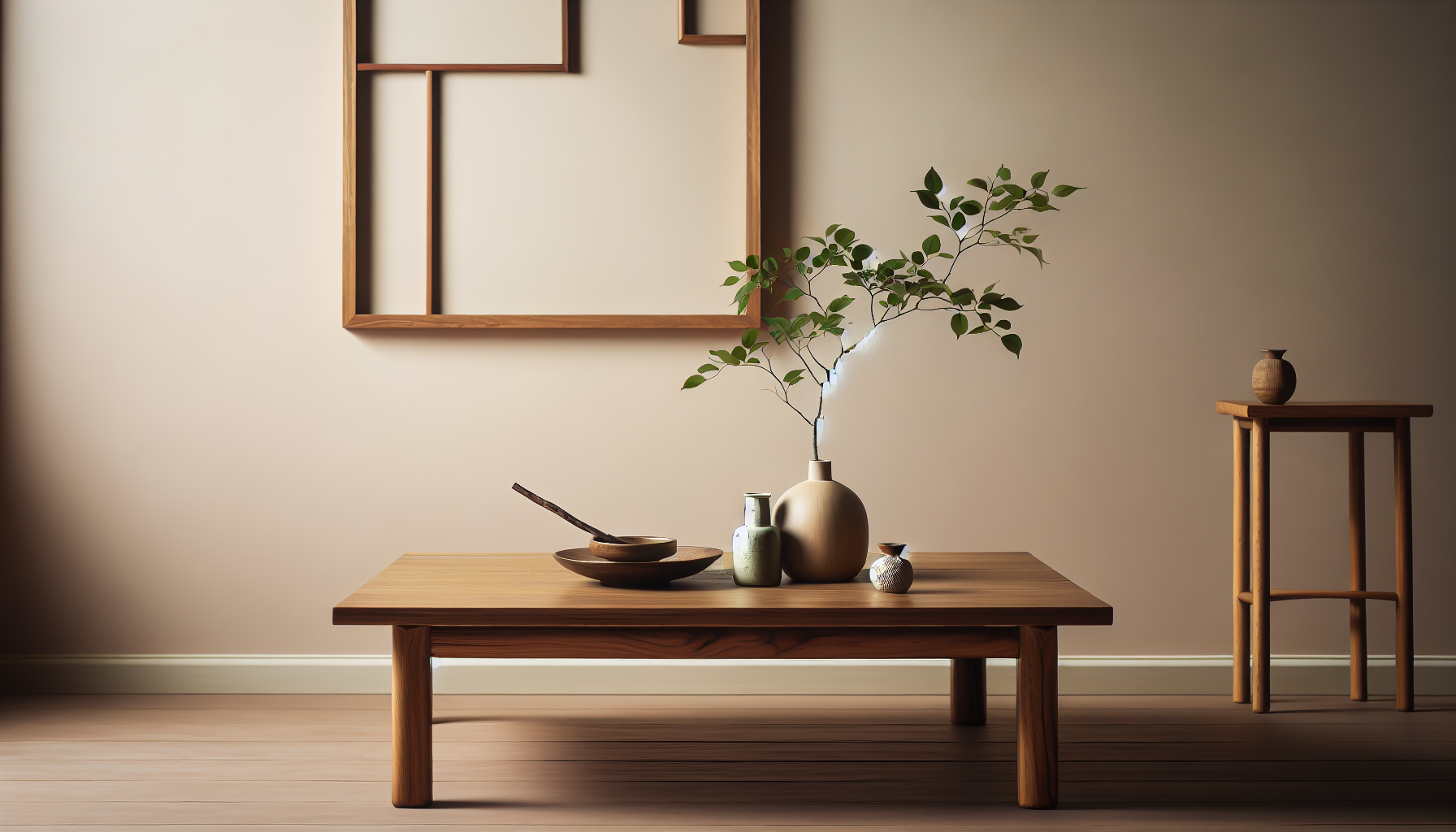
Have you ever thought about how to make your home more serene and beautifully functional? One of the trending styles that balances both minimalism and warmth is the Japandi style. If you’re considering a Japandi renovation, one crucial aspect you need to focus on is budgeting. Financial planning is a key step to ensure your dream space transforms into a reality without breaking the bank.
Understanding Japandi Aesthetics
What is Japandi Design?
Japandi is a blend of Japanese and Scandinavian design philosophies, creating a space that is both sophisticated and cozy. It emphasizes simplicity, organic materials, and a restrained color palette. When you think about your renovation, consider how these elements can harmonize in your home.
Key Elements of Japandi Style
-
Natural Materials: Look for wood, bamboo, and stone to bring the outdoors inside. Incorporating these elements can elevate the sense of tranquility.
-
Minimalism: Embrace the less-is-more approach. Keep only what is essential and valuable to maintain a serene atmosphere.
-
Neutral Color Palettes: Soft pastels and earthy tones create an inviting environment. Shades of beige, grey, and muted greens work beautifully in this style.
-
Functionality: Every piece should serve a purpose. Furniture should be both aesthetic and functional, characteristic of Japanese and Scandinavian traditions.
Understanding these aspects is vital, as it will not only guide your renovations but also help you stay within budget.
Setting Your Renovation Goals
Defining Your Vision
Before you even pick up your budgeting pencil, take some time to contemplate what you truly want to achieve. Are you transforming a whole room or just a portion of your home? Consider specifics like the kitchen, living room, or bedroom. Having a clear vision aids in more accurate budgeting.
Prioritizing Your Needs
Decide what elements are a must-have versus those that would simply be nice to have. For instance, if you absolutely need new furniture but can live with your existing wall paint for a little while longer, prioritize your spending accordingly.
Creating a Budget Plan
Setting a Budget Limit
The first step in any budgeting plan is to determine how much you can afford to spend without compromising your finances. This includes your savings, income, and other financial obligations.
Breakdown of Costs
A transparent breakdown of expenses can help keep your budget in check. Here’s a simple table to follow:
| Expense Category | Estimated Cost Range | Notes |
|---|---|---|
| Materials | $1,500 – $5,000 | Flooring, paint, fixtures, decor |
| Labor | $2,000 – $7,000 | Should include all contractors and specialists |
| Furniture | $1,000 – $4,000 | Tables, chairs, sofas based on Japandi aesthetics |
| Miscellaneous | $500 – $1,500 | Permits, delivery fees, unexpected costs |
This table gives you a foundational understanding of where your money will go, making it easier to adjust your plan if necessary.
Researching Costs
Take the time to research costs in your area. Prices for materials and labor can vary greatly by location. Websites, local hardware stores, and home improvement centers can provide valuable information.
Finding the Right Contractors
Getting Recommendations
If you’re planning to hire professionals, begin by seeking recommendations from friends, family, or online groups. Contractors experienced in Japandi style can offer insights and help you stay true to your vision.
Interviewing Potential Contractors
When you’ve narrowed it down to a few contractors, set up interviews. Here are some questions to ask:
- Can I see examples of your previous work?
- Are you familiar with Japandi design principles?
- What is your estimated timeline for completion?
- Do you offer warranties or guarantees on your work?
These questions ensure you’re choosing someone who understands your renovation goals and budget.
DIY vs. Professional Help
Assess Your Skills
Many aspects of Japandi renovations can be DIY projects, such as painting or simple furniture assembly. If you’re handy, this could save you a considerable amount of money.
Know When to Hire a Pro
However, if a project involves plumbing, electrical work, or intricate carpentry, it’s wise to hire a professional. This not only saves time but can prevent costly mistakes in the long run.
Choosing Materials Wisely
Sustainable and Cost-effective Options
When selecting materials, focus on sustainability and cost-effectiveness. Bamboo flooring, reclaimed wood, and low-VOC paints can both embody the Japandi ethos and save you money.
Shop Smart
Don’t forget to check for sales, discounts, or second-hand shops. You might find quality materials at a fraction of the price.
Budgeting for Furnishings
Selecting Essential Furniture
Focus on the essential items you’ll need in your space. Think about what furniture is necessary and how it ties into the overall design.
Balance Between Quality and Affordability
Finding a balance between quality and affordability can be tricky but is essential. Consider investing in key pieces that you’ll use frequently and opt for more affordable options for accessories.
Incorporating Decor
Natural Accessories
In a Japandi space, accessories play an essential role in enhancing the atmosphere. Look for natural decor items such as pottery, woven textiles, or plants.
Personalized Touches
While retaining a minimalist aesthetic, you can make your space truly yours. Consider adding a few personal items that reflect your style and history, which can lend warmth to the overall design.
Contingency Planning
Preparing for Surprises
No renovation goes off entirely without a hitch. Always set aside a contingency fund, usually around 10-20% of your total budget, to account for unexpected costs. This cushion will save you stress if something unexpected arises.
Regularly Review Your Budget
As your renovation progresses, keep an eye on your budget. This regular check-in helps identify areas where you might need to cut back or reallocate funds.
Maintenance Budgeting
Planning for the Future
Once your Japandi renovation is complete, it’s essential to think about maintenance costs as well. Wooden furniture may need oiling, while walls will require periodic touch-ups. Budgeting for these future costs can keep your space looking fresh for years to come.
Creating a Maintenance Schedule
Consider creating a simple maintenance schedule, indicating when certain tasks should occur. This makes it easier to stay on track without significantly impacting your finances.
Conclusion
Budgeting for a Japandi renovation doesn’t have to feel overwhelming. By understanding the design principles, setting clear goals, and carefully planning your finances, you can create a beautiful and tranquil space that reflects your style while adhering to a budget. Embrace the process, and soon, you’ll find yourself one step closer to enjoying your serene sanctuary!