
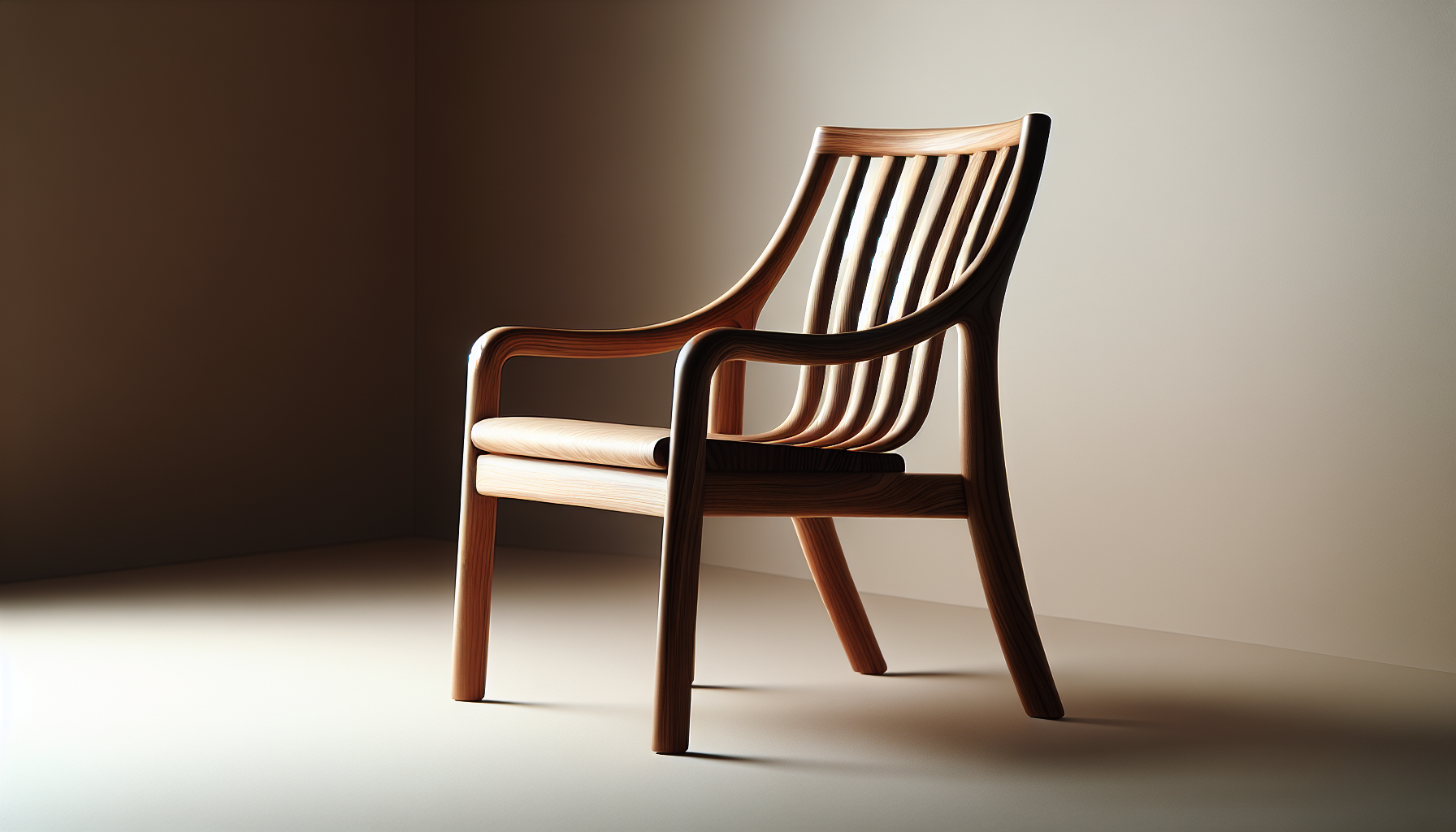
What do you look for when considering adding a piece of furniture or decor to your home? Is it the style, the material, or perhaps the craftsmanship? In the world of design, especially when it comes to Japandi—a harmonious blend of Japanese minimalism and Scandinavian functionality—understanding the signs of quality craftsmanship can greatly enhance your purchasing decisions. Knowing what to look for helps ensure that you invest in pieces that not only look good but also stand the test of time.
What is Japandi Design?
Japandi design captures the essence of two distinct cultures while creating a serene, functional, and aesthetic environment. By harmonizing the minimalist approach of Japanese design with the cozy functionality of Scandinavian style, Japandi aims to evoke tranquility and simplicity. Now, let’s explore some specific signs that indicate quality craftsmanship within this unique style.
Materials Matter
When you’re on the lookout for Japandi furniture, the materials used can tell you a lot about the craftsmanship.
Wood Quality
Solid wood is often a hallmark of high-quality craftsmanship in Japandi. Look for:
| Material | Significance |
|---|---|
| Oak | Durable, strong, and often used in Scandinavian designs. |
| Teak | Renowned for its water resistance and fine grain. |
| Ash | Light in color, known for its strength and flexibility. |
Wood should feel smooth to the touch, with a natural finish that enhances its grain. This not only reflects high-quality craftsmanship but also connects the piece to nature, which is a significant aspect of Japandi design.
Finishes
Pay close attention to finishes. High-quality craftsmanship will often feature finishes that highlight the texture of the wood rather than disguise it.
- Natural Oils and Waxes: These are better options than heavy varnishes, as they preserve the wood’s natural appearance.
- Lacquer: Sometimes used for a sleek look; however, ensure it feels more like an enhancement than an artificial cover.
The finish of a Japandi piece is crucial because it can affect both the aesthetics and longevity of the furniture.
Joinery Techniques
In furniture design, the joinery reflects a craftsman’s skills. You want to look for joints that are clean and provide a firm connection without visible hardware.
Traditional Joinery Methods
| Method | Description |
|---|---|
| Mortise and Tenon | A strong joint that interlocks pieces for sturdy construction. |
| Dovetail Joints | Often used in drawers; provides strength and aesthetic appeal. |
| Box Joints | Great for squared edges, offering strength and a unique look. |
Each of these techniques demonstrates a commitment to quality and longevity. If you notice additional reinforcement or hidden fasteners, it shows that the designer has invested time in ensuring a durable product.
Craftsmanship Indicators
There are various signs that can indicate the level of craftsmanship involved in producing Japandi pieces.
Attention to Detail
Inspect the piece closely. Are there minor imperfections, or does the piece show a level of refinement?
- Symmetry: Japandi design often emphasizes balance and symmetry. If the piece is well-balanced, it likely reflects careful handiwork.
- Clean Edges: Well-defined edges and corners indicate precision in the crafting process.
Even the smallest details matter, as they contribute to the overall aesthetic and functionality of a piece.
Functionality and Comfort
Quality craftsmanship prioritizes comfort and usability. When you sit in a chair or adjust a table, consider these features:
| Feature | What to Look For |
|---|---|
| Ergonomics | The design should offer comfort and support. |
| Stability | A well-crafted piece should feel sturdy and not wobble. |
| Versatility | Consider how the piece adapts to different uses in your space. |
A good piece of furniture should seamlessly fit into your life, enhancing the way you interact with your surroundings.
Design Philosophy
Understanding the philosophy behind Japandi can also guide you in recognizing quality craftsmanship.
Simplicity Meets Function
Japandi emphasizes simplicity, ensuring each piece serves a purpose. Ask yourself:
- Does this piece feel like it was made with a clear intention?
- Does it serve multiple purposes or blend effortlessly into your existing decor?
This philosophy often shows through intentional designs that marry form and function beautifully.
Connection to Nature
Natural elements play a key role in Japandi design. High-quality craftsmanship connects the piece to the earth through:
- Using sustainable woods.
- Integrating color palettes that reflect nature’s hues.
This connection adds emotional value, making the piece more than just an item but part of a broader narrative.
Overall Aesthetic
The aesthetic beauty of Japandi is unmistakable, but it should go deeper than surface-level appeal.
Style Versatility
When selecting a piece, consider its versatility in style:
- Neutral Tones: Japandi favors muted tones that complement each other.
- Textural Variety: From smooth woods to soft textiles, they should blend well to create a cohesive look.
Quality craftsmanship results in pieces that easily coordinate with a range of decor styles and transitional spaces.
Timelessness
A hallmark of quality craftsmanship is the ability to remain stylish over time. Look for:
- Classic Designs: Seek out pieces that won’t feel outdated quickly.
- Durable Materials: A sturdy yet elegant design will last for years, making it a dependable addition to your home.
Investing in timeless pieces ensures that your home retains beauty and functionality as styles evolve.
Customization and Personal Touch
One aspect to think about with Japandi is the personalization of pieces.
Handmade vs. Mass-Produced
- Handmade Items: Often demonstrate unique features and imperfections that embody character and craftsmanship.
- Mass-Produced Items: While they can be appealing for their affordability, they often lack the depth and quality of artisan crafts.
A handmade piece often tells a story—look for pieces that reflect individuality and craftsmanship.
Your Personal Style
While quality craftsmanship is important, it’s equally vital that the piece resonates with you personally. Reflect on:
- Color: Does it speak to your sense of aesthetics?
- Form: Does it align with your functional needs and personal style?
Your home should feel like an extension of yourself, and quality pieces make that connection possible.
Conclusion
Investing in Japandi pieces can be incredibly rewarding, enhancing both your space and lifestyle. By focusing on quality craftsmanship, materials, joinery, and overall design philosophy, you can make well-informed choices that suit your aesthetic and functional needs.
The signs of quality craftsmanship in Japandi pieces are numerous, from the attention to detail to the practicality of each design. Remember, quality isn’t just about how a piece looks; it’s also about how it integrates into your life and home. Always prioritize craftsmanship that reflects not just style, but also durability and functionality.
As you consider your next decor investment, refer back to these indicators of quality craftsmanship. Your home deserves the finest pieces that will stand the test of time and bring joy to your everyday life.