
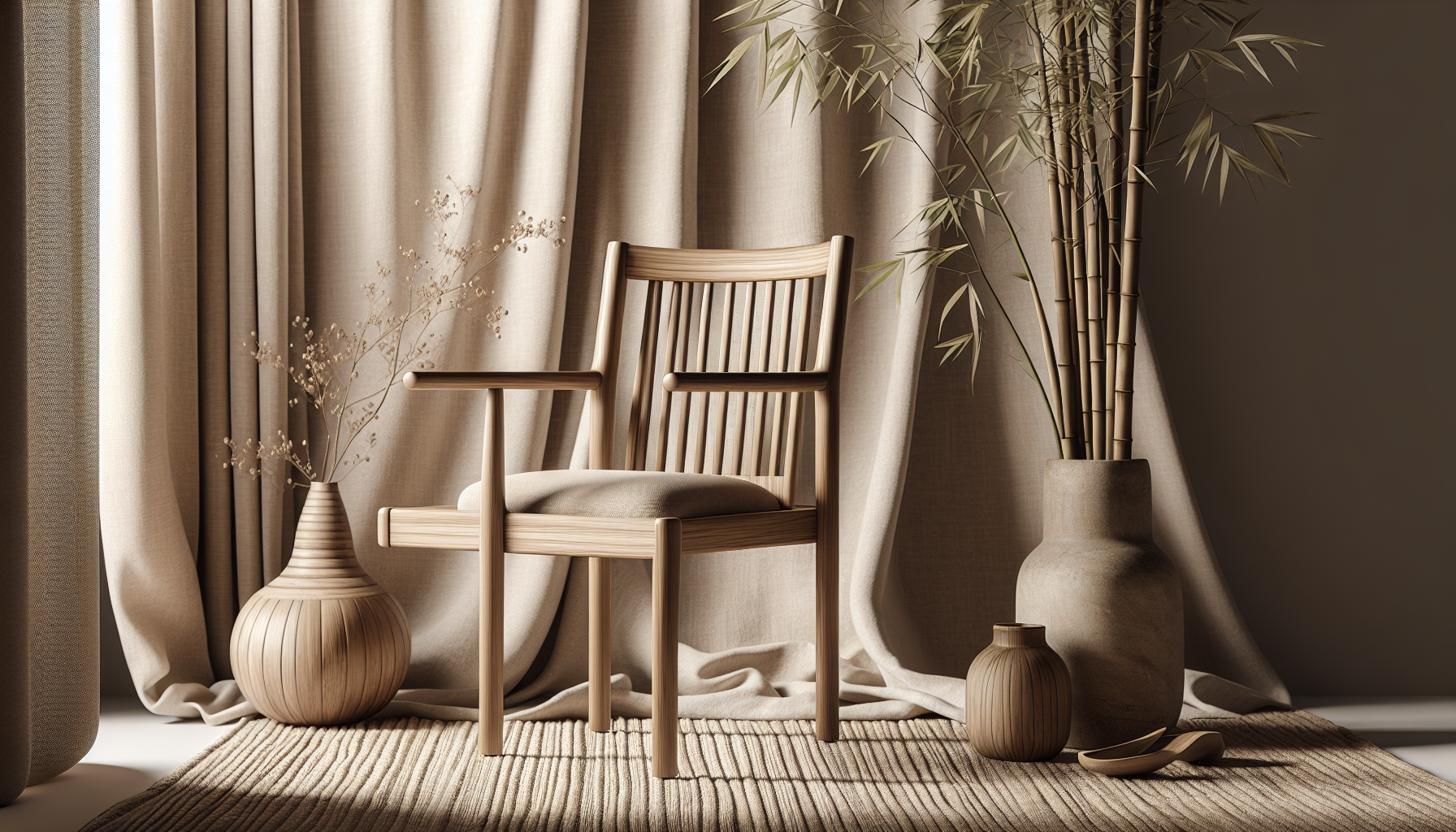
Have you ever fallen in love with a design aesthetic, only to find that your favorite pieces are nothing more than cheap imitations? If you’re drawn to the beautiful balance of form and function found in Japandi design, it’s essential to know how to identify authentic elements and avoid anything that lacks the true spirit of this style.
Understanding Japandi Design
Japandi design is a harmonious blend of Japanese minimalism and Scandinavian functionality. This aesthetic emphasizes simplicity, craftsmanship, and natural materials. If you’re eager to embrace this elegant design style in your home, you first need to grasp its core principles.
The Roots of Japandi
Japandi draws inspiration from two distinct cultures. Japanese design focuses on wabi-sabi, which celebrates imperfection and the beauty of natural materials. On the other hand, Scandinavian design champions functionality and minimalism. When you combine these philosophies, you get an aesthetic that is not only beautiful but also practical.
Key Characteristics
To differentiate authentic Japandi pieces from their cheaper counterparts, it’s crucial to recognize these key features:
-
Natural Elements: Look for materials like wood, bamboo, leather, and stone. Cheap imitations often use synthetic materials that lack character and warmth.
-
Functional Design: Every element in Japandi design serves a purpose. Pieces are designed for both aesthetics and functionality, ensuring they provide value to your space.
-
Neutral Color Palette: Authentic Japandi uses earthy and muted tones, including soft browns, greys, and whites. Bright colors or overly bold patterns are usually signs of imitation.
-
Craftsmanship: True Japandi designs showcase high-quality craftsmanship. Pay attention to the details; poorly made items often have flaws that detract from the overall aesthetic.
Identifying Cheap Imitations
Recognizing cheap imitations can be tricky. To ensure your environment reflects the authenticity of Japandi design, consider the following tips:
Look for Authentic Brands
Many brands prioritize quality and authenticity over mass production. Research companies that specialize in Japandi design or Scandinavian and Japanese pieces. These brands often emphasize sustainable practices as well.
Table: Trusted Brands in Japandi Design
| Brand Name | Key Features |
|---|---|
| Muji | Minimalist, functional, eco-friendly products |
| Tansu | Authentic Japanese home furnishings |
| HAY | Modern, Scandinavian-inspired design |
| Nitori | Affordable furniture with a focus on quality |
| Ferm Living | Danish design with natural materials |
Examine the Materials
Before purchasing, do a thorough inspection of any item. Here are some tips you can use:
- Touch and Feel: Authentic wood should feel warm and solid. If it feels light or hollow, it’s probably a reproduction.
- Grain Patterns: Look for unique grain patterns that showcase the material’s authenticity. Imitations may have uniform patterns that lack character.
- Check for Certifications: Many genuine brands offer certifications regarding sustainability and material sourcing. This can help you confirm their authenticity.
Consider the Manufacturing Process
Understanding how your furniture is made can help you make informed choices. Authentic Japandi design often utilizes traditional crafting techniques and time-honored methods. Here are some ways to gauge craftsmanship:
-
Joinery: Look for traditional joinery techniques, like dovetail joints. If pieces are simply glued together or use exposed screws, it’s a red flag.
-
Finishing: Authentic items often feature natural finishes that enhance the materials rather than cover them up. Cheap imitations may have heavy coatings or feel overly glossy.
-
Handcrafted Elements: If possible, seek out handcrafted items, which often carry unique details and imperfections that add to their charm.
The Importance of Sustainability
Sustainability is a cornerstone of both Japanese and Scandinavian cultures. Supporting sustainable practices not only honors the origins of Japandi design but also contributes positively to the environment.
Choose Sustainable Brands
When opting for new furniture pieces, identify brands that prioritize sustainable materials and practices. This choice often aligns with the Japandi philosophy of valuing nature and quality.
Table: Characteristics of Sustainable Brands
| Characteristic | Description |
|---|---|
| Eco-friendly Materials | Use of recycled or sustainably sourced materials |
| Transparent Supply Chains | Clear information about where materials are sourced |
| Local Production | Manufacturing items close to where they are sold to reduce environmental impact |
Invest in Quality
While the initial investment might appear high, high-quality furniture will last longer, saving you money in the long run. Cheap imitations often need to be replaced frequently, which can lead to more waste. Embrace the Japandi value of longevity and consider it worthwhile to invest in pieces that will remain with you over time.
Incorporating Japandi Design Into Your Home
Now that you’re equipped with the knowledge to identify authentic Japandi design, you might be wondering how to incorporate it into your space without resorting to cheap imitations. Here are some practical ideas:
Create a Neutral Base
Start with a neutral palette for your walls and larger furniture pieces. Soft, natural tones allow you to layer in other materials and colors effectively. Consider selecting a warm white, light beige, or soft grey for your base to foster tranquility.
Choose Statement Pieces
Instead of filling every corner with furniture, opt for fewer statement pieces that embody the Japandi philosophy. Trustworthy brands produce unique items that can serve as focal points while remaining functional. Here are a few ideas:
- A beautiful solid wood dining table
- A handcrafted ceramic vase
- A minimalist armchair made of natural fabrics
Emphasize Simplicity
Remember that Japandi design thrives on simplicity. Consider simple decor that adheres to this principle, such as:
- Light, airy textiles in natural, breathable materials
- A few unique art pieces that reflect personal meaning
- Limited decorative items that enhance rather than clutter the space
Balance Functionality and Aesthetics
Every piece should serve a purpose. Before adding anything new, ask yourself whether the item brings value to your space. For example, a beautifully designed shelving unit not only provides storage but can also display your treasured items elegantly.
Maintenance and Caring for Your Space
Caring for the pieces that embody Japandi design is crucial to preserving their integrity and ensuring they remain a lasting part of your home. Here are some tips for maintaining authentic materials and finishes:
Regular Dusting
Since many Japandi pieces are made of natural materials, regular dusting helps maintain their beauty and longevity. Use a soft cloth and avoid harsh chemicals that might damage the finish.
Avoid Direct Sunlight
A significant amount of sun exposure can damage both wood and textiles. Position items away from direct sunlight, or use curtains and blinds to minimize exposure.
Clean Regularly
For textiles, follow the care instructions closely. For wooden items, a gentle wash with a damp cloth followed by oil or wax every few months helps maintain their natural sheen.
Bringing It All Together
Understanding how to avoid cheap imitations of Japandi design empowers you to curate a home that reflects not only your taste but also values sustainability and craftsmanship. As you select pieces, think about how each item contributes to the overall harmony and functionality of your space.
Trust Your Instincts
Ultimately, trust your instincts when selecting items for your home. If something feels off or doesn’t align with the essence of Japandi design, it’s worth considering alternatives.
Discover Your Unique Style
While embracing the principles of Japandi, consider how you can weave your personality into the mix. A selection of art pieces or accessories that resonate with you can enhance the overall effect and make any space feel like a true reflection of who you are.
As you embark on this journey of transformation, remember to enjoy the process. Curating a space that embodies the harmonious blend of Japanese minimalism and Scandinavian functionality can not only elevate the aesthetic of your home but also create a tranquil sanctuary that nurtures your spirit. You’re not just decorating; you’re crafting a living experience that resonates deeply with both your values and style.