
?Are you trying to decide if the HUAWELL Japanese Traditional Interior Igusa Unit Tatami 1 Inch Thickness (Light Yellow, 30cm*30cm) is the small tatami piece that fits your space, style, and needs?

Quick summary
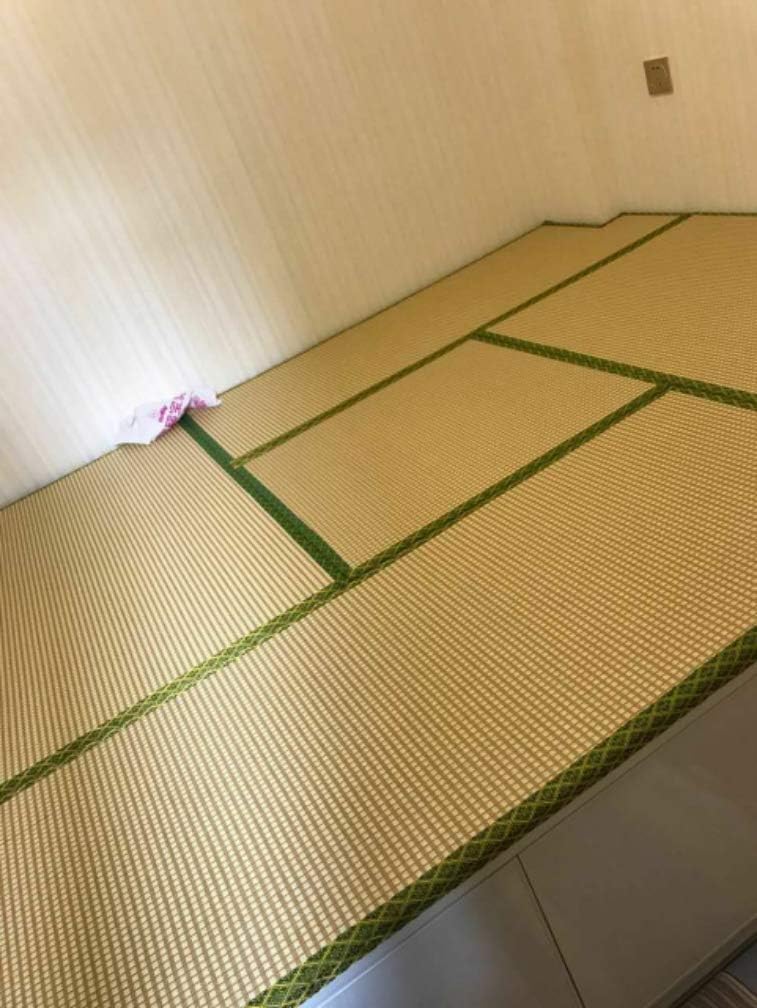
You’ll find this product is a single mini tatami tile designed to give you a touch of traditional Japanese atmosphere without committing to a full-size tatami floor. It’s thicker than many mini tatami competitors at 1 inch, compact in size, and aimed at flexible uses like small seating areas, futon bases, DIY projects, and accent flooring.

HUAWELL Japanese Traditional Interior Igusa Unit Tatami 1 Inch Thickness (Light Yellow, 30cm*30cm)
Product details and key specifications
Below you’ll see the essential details about the HUAWELL Japanese Traditional Interior Igusa Unit Tatami 1 Inch Thickness (Light Yellow, 30cm*30cm). These specs help you figure out how many pieces you might need, how to arrange them, and whether the feel and look match your decor.
| Feature | Specification |
|---|---|
| Product name | HUAWELL Japanese Traditional Interior Igusa Unit Tatami 1 Inch Thickness (Light Yellow, 30cm*30cm) |
| Thickness | 1 inch (approximately 2.54 cm) — thicker than many mini tatami tiles |
| Dimensions | 11.8 in × 11.8 in × 1 in (30 cm × 30 cm × ~2.5 cm) |
| Quantity per purchase | 1 piece (sold individually) |
| Color | Light Yellow (traditional igusa tone) |
| Primary use | Mini tatami unit for decor, futon base, accent flooring, or DIY projects |
| Material | Igusa (soft rush) exterior with a supportive core — described as traditional style |
| Typical uses shown | Spreading Japanese futon, creating Japanese room layouts, accent mats |
You should note the product is a mini size and sold per piece. If you want a continuous mat or a larger area covered, you’ll need to buy multiple pieces. The 1 inch thickness adds durability and a more substantial feel compared with ultra-thin options.
Size and thickness: what the numbers mean for you
The 11.8 × 11.8 inch footprint keeps each piece compact and easy to handle, which is great if you want to experiment with layouts or create a modular flooring solution. Because each tile is only about a foot square, you can start with one or two to test the look, then add more if you like the feel.
The 1 inch thickness matters more than you might expect for a mini tatami. That extra thickness makes the tile feel firmer and more supportive when used as a seat or placed under a futon. You’ll also find it resists compression longer than ultra-thin tiles, which can flatten out after repeated use.

Material and build quality
These mini tatami tiles use igusa (Japanese soft rush) on the surface, which is a traditional material praised for its natural scent and texture. The core is designed to be supportive; while it’s not a full-size straw core like classic tatami, the added thickness increases resilience.
When you handle the tile, you’ll likely notice a slightly textured, woven surface typical of igusa. That texture gives a subtle grip and a natural aesthetic that pairs nicely with minimal, Scandinavian, or Japanese interiors. You should still be mindful that quality can vary by manufacturer, so inspect the weave and edging if you want uniform results for a multi-tile layout.
Color and aesthetics
Light Yellow is a soft, neutral shade that mimics natural igusa tones and blends well with both warm and cool palettes. You can mix it with dark wood furniture or lighter modern pieces without creating a clash.
The tile’s visual warmth helps make a small space feel cozier, and because the color is subdued, you can create a calm, spa-like corner or a compact meditation spot without overwhelming your room.
What you get in the box
When you buy this item, you receive a single HUAWELL igusa tatami tile. There aren’t extras such as connectors, underpadding, or multiple-piece discounts included with a single purchase. Because the listing specifies one piece per purchase, plan your order quantity based on the area you want to cover.
If you need a full futon base or a larger mat, you’ll be buying multiple pieces. It’s a good idea to order a couple extra tiles to account for any layout changes or if some pieces arrive slightly different in color due to dye or natural variations.
Performance and comfort
In everyday use, this tile performs as a small accent tatami—supportive enough for casual seating, mild foot traffic, or as a base under a compact futon. You’ll notice the firmer feel from the 1 inch thickness, which can make sitting on the floor more comfortable than a paper-thin pad.
Comfort will depend on how you use the tile. As a single piece for decoration or a meditation spot, it’s fine. For sleeping or extended sitting, you’ll probably want to combine several tiles or add a thin mattress or futon over them to achieve the cushioning you prefer.
Using it as a floor mat or accent
If you place one or two tiles in a living area, they function well as accent flooring for a plant corner, tea tray area, or a low table. The natural igusa surface offers a pleasant feel under bare feet, and it visually anchors a small zone without dominating your space.
You should be careful in high-traffic areas or where shoes are used, as repeated abrasive contact may wear the weave faster than with larger, thicker mats.
Using it under a futon
The listing shows it can be used to spread a Japanese futon. For a single-person futon or a thin mattress, using multiple tiles as a modular base will help distribute weight and provide breathability. When you stack or line up several tiles, the combined thickness and the natural fibers help with ventilation, which is a key benefit of igusa compared with synthetic pads.
If you plan to sleep directly on these tiles, add a soft futon or mattress topper. The tile alone is supportive but not designed as a primary sleeping surface for long-term use.
Using it for DIY projects and creative layouts
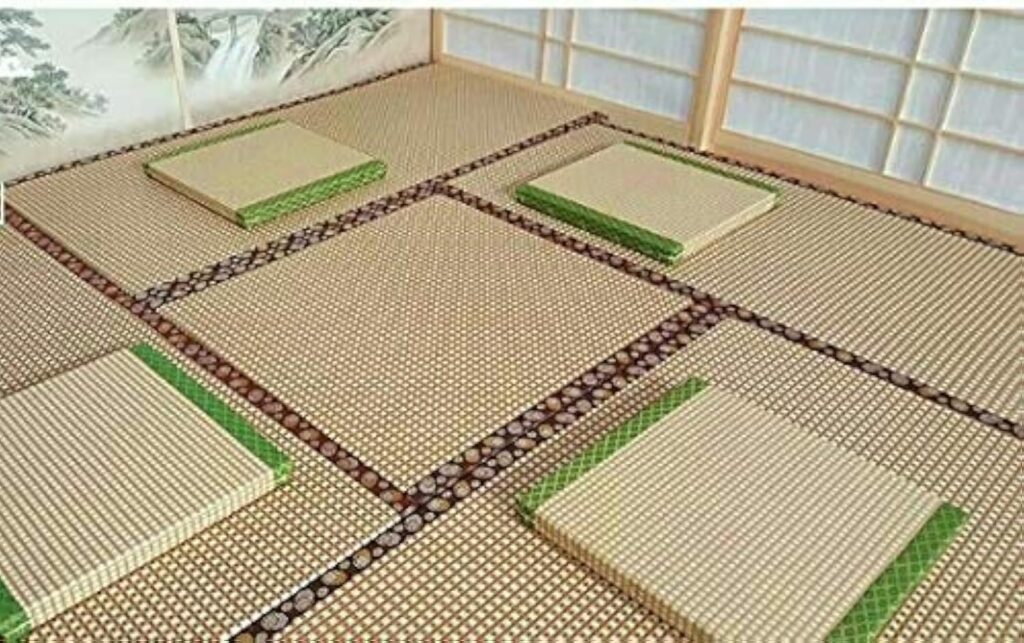
You can get creative with a set of these tiles: use them to create a small raised platform, cover a tabletop, line the bottom of cabinetry, or craft a photo backdrop. Their modular square shape makes them easy to pattern in checkerboard, staggered, or grid layouts.
Because each piece is lightweight and easy to move, you can reconfigure your space as your needs change without heavy lifting or permanent installation.
Installation and layout tips
Installing these tiles is straightforward since they’re simply placed on the floor. For a secure fit and to prevent slippage, consider using double-sided carpet tape, non-slip pads, or floor-friendly adhesive tabs, especially if you have wood or polished surfaces.
When arranging multiple tiles, pay attention to grain direction and edging so seams look intentional. If you mix new tiles with old ones later, try to match light exposure and age to keep the color uniform across the layout.
How many pieces you’ll likely need
Measure the area you want to cover in square inches or centimeters, then divide by a single tile’s footprint (11.8 × 11.8 in ≈ 139.24 sq in per tile). For example, to cover a 3 ft × 3 ft area (36 × 36 in), you’ll need roughly nine tiles. Always order an extra one or two tiles for spare pieces or pattern flexibility.
You should also consider edge treatment—if you want a clean finished edge on a floor space, plan layout so that seams fall under furniture or use trim to hide cut edges.
Arranging for a Japanese room look
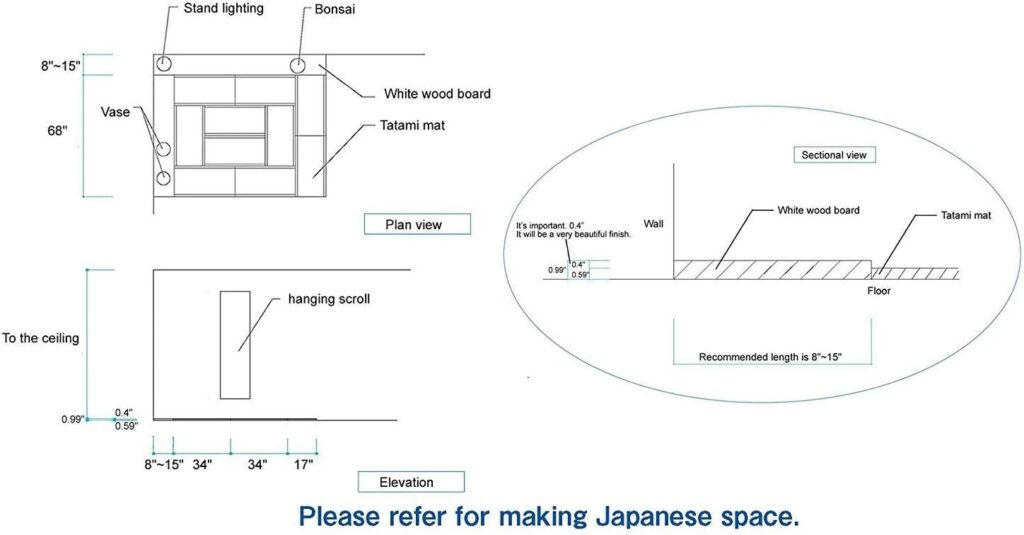
To create a small Japanese-style room, keep layouts simple and low to the ground. Position tiles under a low table, tatami chair, or futon to define the area. Use neutral colors, natural wood furniture, and minimal clutter to maintain an authentic mood.
Lighting matters too—soft, warm lights and an open window to let in natural air will enhance the igusa scent and the room’s calming vibe.
Maintenance and cleaning
You’ll want to vacuum or gently brush the surface to remove dust and debris. If spills happen, blot quickly with a damp cloth; avoid soaking the tile because moisture can damage the core or warp the weave. For light stains, use a mild soap solution and a gently wrung cloth and dry immediately.
You can rotate tiles periodically to even out wear and sun exposure. If you use them on hard floors, consider a thin non-slip underlay to protect both the tile and your floor from scuffs.
Durability and longevity
Thanks to the 1 inch thickness, these tiles will typically outlast thinner competitors under similar light-to-medium use. However, they won’t perform like full-size, traditional tatami meant for permanent flooring. Expect the surface to wear gradually where repeated pressure or heavy furniture sits.
For long life, avoid dragging heavy objects across the weave, limit exposure to direct sun for extended periods, and maintain them regularly. With proper care, you can reasonably expect several years of attractive use, especially in low-traffic or decorative setups.
Pros and cons
Here’s an easy-to-read table to help you weigh the main advantages and disadvantages of this mini tatami tile.
| Pros | Cons |
|---|---|
| 1 inch thickness offers more support and durability than many mini tiles | Sold individually — you must buy multiple pieces to cover larger areas |
| Natural igusa surface with traditional look and scent | Not a full substitute for full-size tatami when used for long-term sleeping |
| Compact, modular size for creative layouts and portability | May need underlay or tape to prevent slipping on smooth floors |
| Light Yellow color blends with many decor styles | Surface can show wear with heavy use or abrasive contact |
| Easy to clean with basic care | Slight variations in weave/color possible between batches |
You should consider these trade-offs in light of how you intend to use the tile—single-piece decor versus multi-piece flooring will lead to different expectations and needs.
Comparison with alternatives
When you compare this tile to other options on the market, keep the intended use in mind. It’s built for modularity and a traditional look, rather than as a durable, permanent flooring solution.
Versus ultra-thin or felt-backed tatami tiles
Compared with ultra-thin tatami or felt-backed foam tiles, the HUAWELL tile’s 1 inch thickness gives you better support and a less flimsy feel. Ultra-thin tiles are cheaper and easier to stack or store, but they compress and show wear faster, which may reduce long-term value.
Versus larger, traditional tatami mats
A full-size tatami mat offers the genuine full experience—thicker straw core, consistent size, and full-room coverage—but it’s heavy, expensive, and usually installed permanently. The HUAWELL mini tile wins on cost, flexibility, and DIY friendliness. You should choose mini tiles if you want a temporary or experimental solution and full mats if you want a permanent tatami room.
Who should buy this product?
You should consider this tile if you want a small, natural-looking tatami accent or a modular base for a futon, meditation corner, or compact Japanese-style setup. It’s also a great choice for renters who need a non-permanent solution, crafters creating custom pieces, or anyone curious about the igusa feel without committing to large mats.
If you frequently host guests who sleep on the floor or you want a full traditional tatami experience, you’ll need multiple tiles or a different product entirely.
Buying advice and ordering tips
When ordering, factor in the single-piece sale model. Measure your desired coverage and order an additional 5–10% to account for layout changes or damaged pieces in transit. Check seller return policies, and if possible, read multiple reviews to confirm color consistency and weave quality.
If you have a polished floor, order non-slip underlays or adhesive strips to keep tiles in place. Also consider ordering slightly before a planned installation to allow for returns or exchanges if the color or weave differs from what you expected.
Packaging and shipping considerations
Because the tile is sold individually, shipping costs can add up when you need many pieces. Look for sellers offering bulk discounts or local availability to save on shipping. The tiles are lightweight but can be susceptible to corner damage if packed poorly, so inspect each piece upon arrival.
If you plan to buy dozens for a larger space, contact the seller about packing methods or possible wholesale options to reduce damage and cost.
Environmental and health notes
Igusa is a natural material, which many people appreciate for its lower synthetic content and pleasant natural scent. Natural fibers can be more breathable than plastic alternatives and offer a traditional feel.
You should keep in mind that natural materials may respond to humidity, and some people can be sensitive to plant-based dust. Regular cleaning and ventilation will help reduce any allergens and keep the scent fresh rather than musty.
Customization and matching tips
If you want a seamless look across multiple tiles, buy them in the same batch and avoid mixing colors or production lots. You can trim edges carefully to fit odd-shaped areas, but be cautious—cut edges will reveal the core and may need edge trim to look finished.
For a refined look, add fabric edging or plywood underlay for raised platforms. Use double-sided adhesive tape to secure tiles in place where you want permanent stability.
Practical scenarios and use cases
You might use one or two tiles to mark a tea corner, place several under a low table for a Japanese dining setup, or line a small hallway runner with a pattern. For futon users, try laying a grid of tiles as a breathable base—this can improve airflow and reduce dampness compared to a mattress directly on the floor.
Students and apartment dwellers benefit from the portability of each square: you can move tiles with you if you relocate, and they’re simple to store in a closet when not in use.
Frequently asked questions (FAQ)
Q: How many tiles do I need for a futon? A: It depends on the futon size. For a single futon (about 3 ft × 6 ft / 90 cm × 180 cm), you’d likely need around 15–18 tiles laid in a grid. Measure your futon and divide by the tile footprint to get an exact count, plus a couple of extras.
Q: Can I sleep directly on one tile? A: You can sleep on a grid of tiles with a proper futon mattress, but a single tile alone won’t provide enough cushioning for comfortable, long-term sleeping. Use additional padding or multiple tiles to distribute weight.
Q: Will the color fade in sunlight? A: Like most natural fibers, igusa can lighten over time with direct sun exposure. Rotate the tiles periodically to even out fading, and avoid constant direct sunlight if you want to preserve the original tone.
Q: Can I place the tile on heated floors? A: You can place these tiles on many floor types, but avoid exposing them to extreme or continuous heat, which could dry out or damage the fibers. Check your heated floor’s temperature and manufacturer recommendations.
Q: How do I prevent slipping? A: Use thin non-slip pads, double-sided carpet tape, or small rug grippers. These measures secure tiles without permanent adhesion and protect both the tile and your floor surface.
Q: Are replacement tiles easy to find? A: If you buy more than one from the same seller in an order, you’ll reduce the chance of mismatched replacements later. Reordering a single tile months later may result in slight color or weave differences.
Troubleshooting common issues
If edges fray after heavy use, trim frayed fibers carefully and seal the edge with a thin line of fabric glue or apply corner guards. If a tile sags or becomes uneven under a heavy object, move it to a lower-stress area or place a firmer underlay beneath it.
If you notice a faint odor on arrival, airing the tile out in a dry, ventilated space usually dissipates it within a day or two. Persistent odors could signal storage-related issues, which the seller should address.
Care for long-term satisfaction
Rotate tiles every few months to balance wear, vacuum regularly using a soft brush attachment, and spot-clean quickly when spills occur. Store tiles flat in a dry environment when not in use, and avoid stacking heavy objects on them to preserve shape.
Final verdict
If you want a flexible, attractive, and portable way to bring a slice of traditional Japanese style into your home, the HUAWELL Japanese Traditional Interior Igusa Unit Tatami 1 Inch Thickness (Light Yellow, 30cm*30cm) is a solid choice. You’ll appreciate the 1 inch thickness for comfort and durability, and the single-piece purchase model gives you modularity—just remember to plan for the number of tiles you’ll need.
You should buy this item if you value natural materials, portability, and the ability to experiment with layouts. If you need a permanent, full-size tatami floor or a primary sleeping surface, consider larger tatami options or a proper futon with a dedicated mattress.

Disclosure: As an Amazon Associate, I earn from qualifying purchases.