
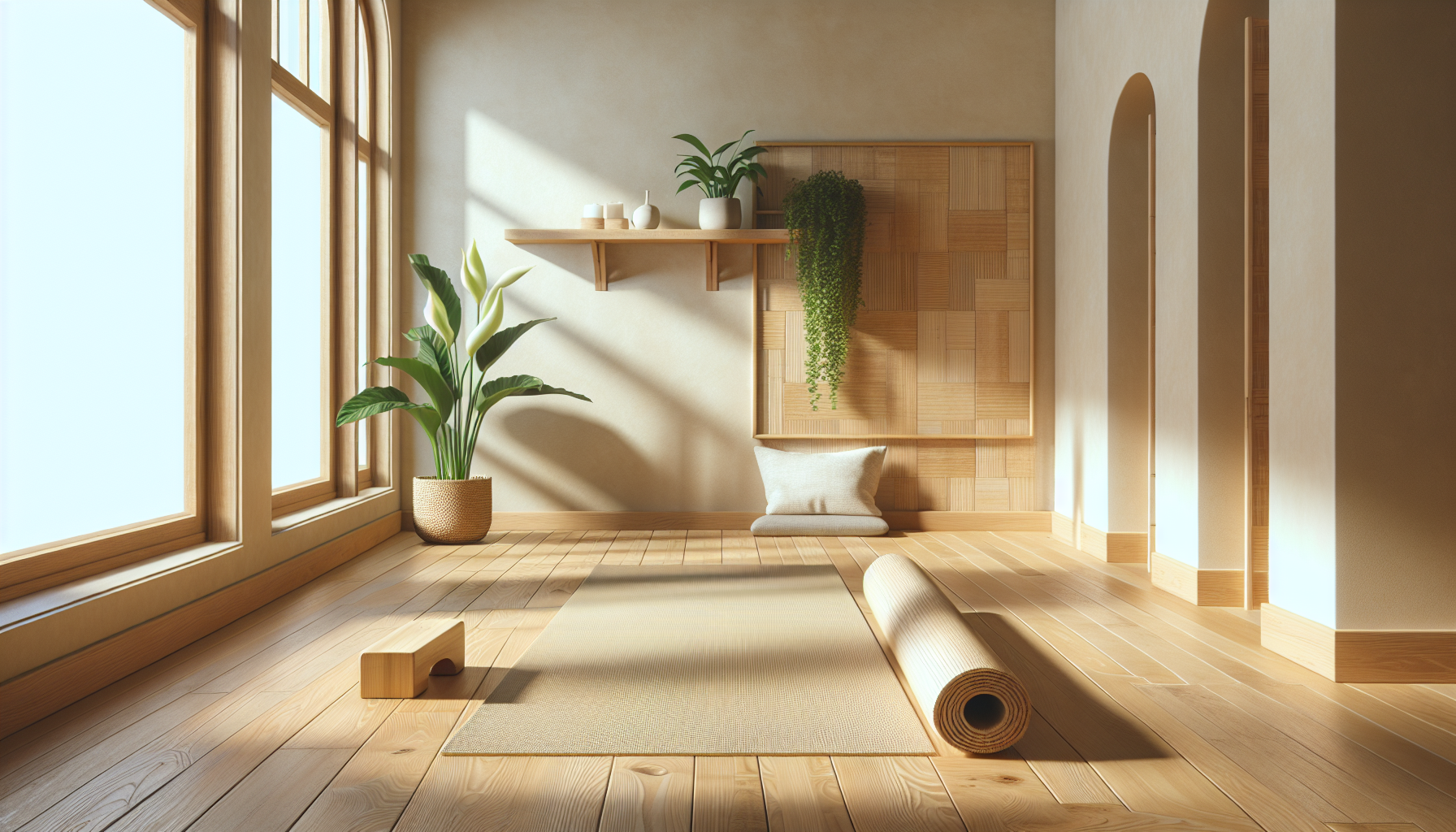
Have you ever thought about how your space can influence your workout or meditation practice? Creating a harmonious environment can significantly enhance your experience in a home gym or yoga area. One approach that stands out is the blend of Japanese and Scandinavian design philosophies known as Japandi. This style prioritizes simplicity, functionality, and serenity, making it perfect for your exercise or relaxation space.
Understanding Japandi Design Principles
Japandi is a hybrid design concept that marries the minimalism of Japanese aesthetics with the cozy functionality of Scandinavian design. At its core, Japandi emphasizes clean lines, natural materials, and a palette of calming colors. This blend can create an inviting and stimulating space that encourages you to focus on your physical and mental well-being.
Key Elements of Japandi Design
- Minimalism: Keeping your environment uncluttered contributes to mental clarity and lets you focus on your workout or practice.
- Natural Materials: Using wood, bamboo, and stone enhances the calming vibe of the space, connecting you to nature.
- Neutral Color Palette: Soft tones and muted colors can help create a tranquil atmosphere conducive to relaxation and focus.
- Functional Furniture: Furniture should be beautiful yet serve a purpose, providing comfort during workouts or meditation sessions.
Creating a Japandi Home Gym
A home gym can be a place where energy flows freely and encourages you to stay active. Here’s how to effectively apply Japandi principles to this space.
Choose the Right Space
Start by identifying an area in your home that can be dedicated to your gym. Ideally, this should be a room with good natural light, contributing to a fresh and invigorating atmosphere.
Incorporate Natural Elements
Bringing the outdoors inside is essential in Japandi design. Consider adding:
- Wood Flooring: This creates warmth and adds texture to the room.
- Indoor Plants: Incorporate greenery like snake plants, peace lilies, or succulents for air purification and aesthetic appeal.
Benefits of Indoor Plants
| Type of Plant | Benefits |
|---|---|
| Snake Plant | Air purification |
| Peace Lily | Low light tolerant |
| Succulents | Low-maintenance and visual interest |
Select Functional, Stylish Equipment
When choosing workout equipment, opt for items that are both practical and aesthetically pleasing.
- Weights: Select weights with a matte finish that blend with your design theme.
- Yoga Mat: Pick a high-quality mat with natural materials.
- Storage Solutions: Consider minimalist shelves or baskets crafted from natural materials to store your equipment.
Calming Color Palette
Consider painting the walls in soft tones like light gray, beige, or pastel shades. These colors help promote a peaceful vibe. You can also use artwork or wall hangings that feature simple designs or calming landscapes.
Lighting Matters
Lighting plays a crucial role in setting the mood of your gym. Use a combination of natural light and soft artificial light sources:
- Natural Light: Keep windows unobstructed to embrace sunlight.
- Soft LED Lights: Install dimmable lights to adjust the brightness according to your needs.
Designing a Serene Yoga Area
A dedicated yoga area can greatly enhance your practice, allowing you to foster inner peace and connection. Here’s how to approach designing this special nook in line with Japandi principles.
Find a Tranquil Location
Your yoga area should be secluded from distractions, ideally in a quiet corner of your home or a room with minimal foot traffic. Consider adding a calming view, perhaps overlooking a garden or green area.
Create a Wrapped-a-Mat Area
While practicing yoga, you need adequate space to engage comfortably. Carve out an area that provides enough room for movement without feeling confined. Here’s a simple way to visualize it:
| Activity | Required Space |
|---|---|
| Basic Yoga | 6 x 2 feet |
| Flow Sequences | 6 x 3 feet |
| Partner Yoga | 10 x 6 feet |
Select Soothing Textiles
Opt for soft fabrics for your yoga area. A plush rug can offer comfort, while lightweight curtains can help filter natural light. Look for textiles in natural fibers such as cotton or linen in muted colors.
Mindful Accessories
Accessories should serve both decorative and functional purposes. Here are a few suggestions:
- Meditation Cushions: Choose organic cotton cushions filled with natural materials.
- Essential Oil Diffuser: Select one in a neutral design to enhance relaxation during your practice.
- Wall Art: Hang minimalist artwork or inspirational quotes to maintain a calming presence in the area.
Embrace Simplicity
Keep accessories to a minimum to promote a calm and focused mindset. Select only the items you truly need for your practice, providing a sense of tranquility and order.
Blending Workouts and Mindfulness
The beauty of integrating Japandi principles into your gym or yoga area lies in the ability to combine physical fitness with mindfulness practices.
Functional Workouts
Japandi design encourages functional workouts that focus on mind-body connection. Incorporate practices like Pilates, functional training, or yoga. These activities complement one another and promote a holistic approach to fitness.
Mindful Breathing Techniques
Whether you’re lifting weights or practicing yoga, remember to focus on your breathing. Mindful breathing can enhance your performance and deepen relaxation. Consider creating a space for breathwork sessions, either within your gym or yoga area.
Calming Rituals
Establish rituals to transition into your workouts or meditation sessions. It could be as simple as lighting a candle, playing soft music, or performing a few stretches. This practice will signal your body and mind that it’s time to focus and refresh.
Maintaining Your Japandi-Inspired Space
Once you’ve set up your home gym or yoga area with Japandi principles in mind, maintaining that serene environment is essential.
Clean and Declutter Regularly
A minimalist approach requires regular attention to keep clutter at bay. Set aside time weekly to tidy up your space. Consider implementing a “one-in, one-out” rule for equipment and accessories to maintain balance.
Organize with Intention
Use storage baskets or bins that fit seamlessly into your aesthetic to keep items organized. Rotate equipment you’re not currently using, so you have only what you need close at hand.
Personal Touches
Incorporate personal items that inspire you, such as photos, mementos from travels, or quotes that resonate with your fitness journey. Just be mindful not to overdo it; less is more in Japandi design.
Embracing the Japandi Lifestyle
Creating a home gym or yoga area that embodies the principles of Japandi can enhance not just your space but also your overall wellness journey. By fostering a serene environment, you establish a sanctuary where you can focus on your body and mind.
A Sustainable Approach
Japandi design often emphasizes sustainability. Choose equipment and materials that are environmentally friendly and ethically sourced. This practice not only complements the aesthetic but also aligns with a mindful lifestyle.
Connecting with Nature
As you design your space, aim to foster a connection with the outdoors. Use large windows, potted plants, and natural materials to blur the lines between your indoor and outdoor environment.
Conclusion
By applying Japandi principles to your home gym or yoga area, you create a harmonious space that nurtures both physical activity and mindfulness. Emphasizing simplicity, natural elements, and intentional designs transforms your workouts into enriched experiences.
So next time you step into your workout space, take note of how the environment affects your mindset. Whether you’re lifting weights or flowing through a yoga session, a thoughtfully designed space will help you embrace your journey toward wellness with clarity and focus.