
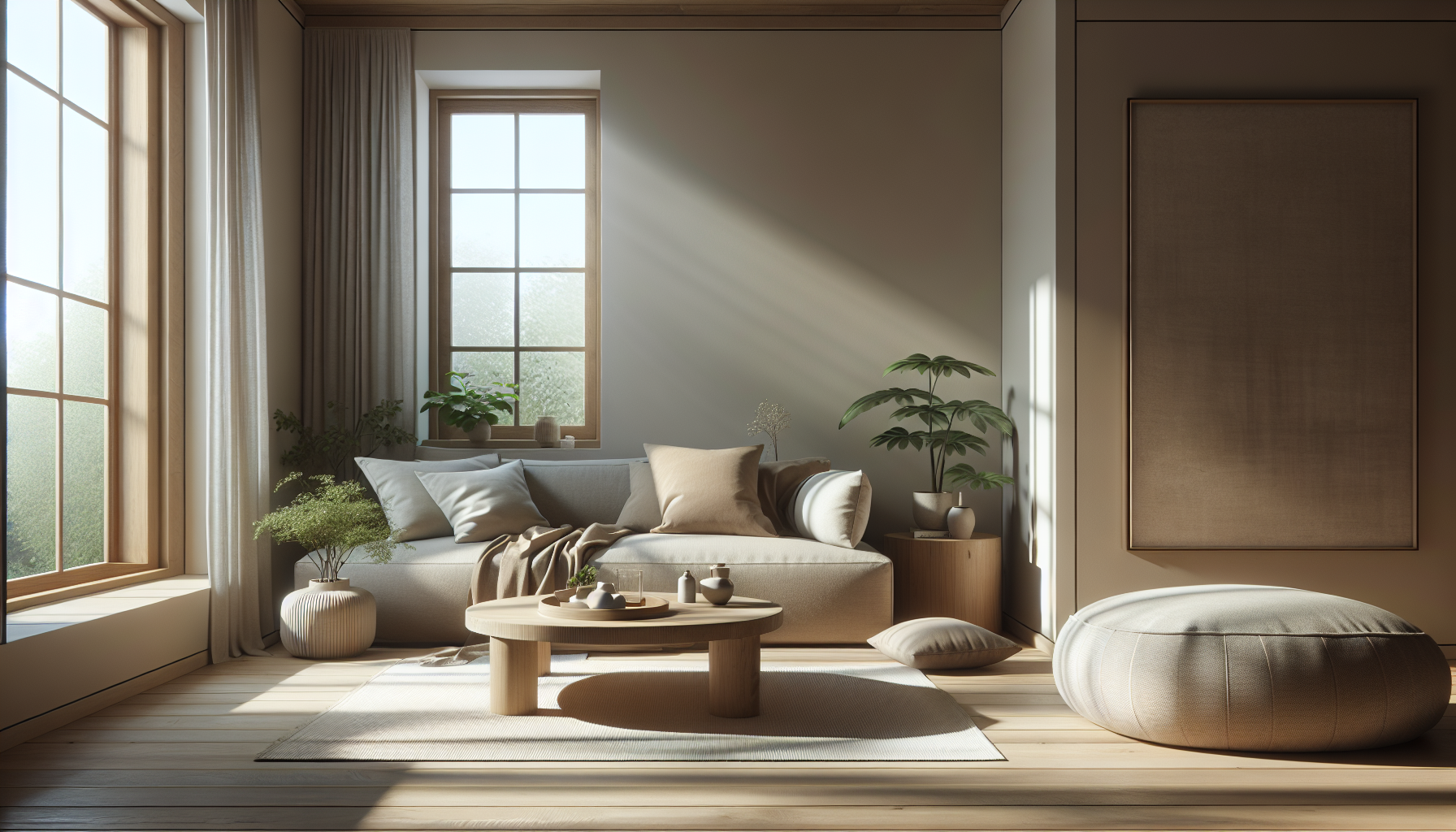
How often do you find yourself feeling overwhelmed in your living space? Especially in smaller areas, it’s easy for chaos to take over and affect your mental well-being. If you’ve ever considered how your surroundings influence your mood, you might be interested in learning how Japandi design can enhance mental wellness in small spaces.
Understanding Japandi Design
Japandi design is a harmonious blend of Japanese minimalism and Scandinavian functionality. It emphasizes simplicity, natural materials, and a calming aesthetic. This style is particularly suitable for small spaces, where effective use of design can make a significant difference in how you feel at home.
The Essence of Japandi
Japandi focuses on creating tranquil environments. By incorporating elements from both cultures, this style fosters a sense of peace and mindfulness. You’ll notice that it incorporates earthy tones, clean lines, and an overall sense of harmony that can soothe your mind and improve your mental state.
Characteristics of Japandi Design
To better appreciate Japandi design, let’s examine its key characteristics:
| Feature | Description |
|---|---|
| Minimalism | Less clutter promotes a clearer mind. |
| Natural Materials | Wood, textiles, and stone create a grounding effect. |
| Functional Furniture | Each piece serves a purpose, reducing distractions. |
| Neutral Color Palette | Soft tones trigger relaxation and comfort. |
| Zen Aesthetics | Elements that invoke peace and tranquility. |
These characteristics harmonize well together, resulting in an inviting and peaceful atmosphere in your small space.
The Connection Between Design and Mental Wellness
Design isn’t just about how things look—it also greatly affects how you feel. Your surroundings can influence your stress levels, productivity, and overall happiness. When you apply the principles of Japandi design to your space, you create an environment conducive to mental wellness.
How Environment Affects Mood
Consider how often you’ve felt a sense of calm in a beautifully decorated room compared to a cluttered, chaotic space. Scientific studies support the idea that a well-designed environment can significantly improve mood and emotional health.
- Aesthetic Appeal: Visually pleasing spaces can increase your sense of contentment.
- Clutter-Free Mind: A tidy environment promotes a clearer mindset.
- Calming Colors: Certain colors are known to evoke specific emotional responses.
By using Japandi design principles, you can create an ambiance that nurtures your mental wellness.
Utilizing Japandi Design in Small Spaces
When working within the constraints of small spaces, every design choice becomes crucial. Japandi design is particularly well-suited for these settings because it champions functionality without sacrificing style.
Creating a Functional Layout
Your layout determines how you interact with your space. A well-thought-out layout can make even the smallest area feel larger and more inviting.
- Open Spaces: Opt for an open floor plan that allows for fluid movement.
- Multi-Functional Furniture: Invest in furniture that serves multiple purposes, like a sofa bed or a coffee table with storage.
- Decluttering: Be intentional about what you keep—only hold on to items that bring you joy or serve a purpose.
Natural Light and Views
Natural light can significantly impact your mood and mental well-being.
- Maximize Windows: Use sheer curtains or no window coverings to allow as much light in as possible.
- Mirrors: Place mirrors strategically to reflect light and create an illusion of space.
- Views of Nature: If possible, position furniture to take advantage of any outdoor vistas.
Incorporating Nature
The connection to nature is a fundamental aspect of both Japanese and Scandinavian design.
- Indoor Plants: Add a few plants to purify the air and enhance your mental health. They also add a beautiful aesthetic element.
- Natural Textures: Use materials like wood and stone to evoke a sense of the outdoors.
- Nature-Inspired Art: Decorate with artwork that features natural scenes, promoting a sense of calm and well-being.
The Role of Color in Japandi Design
Colors play a pivotal role in setting the mood for any space. In Japandi design, a neutral palette is preferred, allowing for a serene environment.
Choosing Your Color Palette
Using the right colors can greatly influence how you feel in your space.
- Earthy Neutrals: Focus on browns, beiges, and muted greens.
- Accent Colors: Incorporate shadier colors like deep blues or rust for accents without overwhelming the space.
Color Psychology
Different colors invoke different feelings. Here are a few common associations:
| Color | Emotional Response |
|---|---|
| Blue | Calming, promotes tranquility |
| Green | Refreshing, symbolizes growth and renewal |
| Beige/Brown | Grounding, invokes stability and comfort |
| White | Clean, promotes clarity and openness |
By thoughtfully selecting the colors in your space, you can promote a calming effect on your mind.
Furniture Selection that Supports Mental Wellness
Every piece of furniture in a Japandi-inspired home is carefully selected for both functionality and aesthetics. The right furnishings, especially in smaller spaces, can significantly impact your well-being.
Prioritizing Quality Over Quantity
In small spaces, it’s essential to select pieces that have high-quality designs:
- Minimalist Design: Look for clean lines and simple forms that don’t overwhelm your space.
- Minimal Clutter: Choose fewer, well-placed pieces that serve multiple purposes, allowing for ease of movement and relaxation.
- Comfortable Seating: Opt for seating that provides comfort, creating a restful area to wind down.
Inclusivity of Textiles
Textiles add warmth and comfort to your space while fostering mental well-being.
- Natural Fabrics: Select textiles made from cotton, linen, or wool to promote a soothing atmosphere.
- Layered Textures: Use different textures in blankets and cushions to create a cozy, inviting feel without becoming cluttered.
- Area Rugs: Consider areas rugs to define spaces in open layouts. They can add warmth and texture.
The Importance of Personalization
Incorporating personal touches can make a massive difference in how you relate to your space.
Curating Meaningful Decor
Your decor should tell your story and reflect your values while adhering to Japandi principles.
- Meaningful Art: Hang art that inspires or resonates with you, steering away from generic pieces.
- Personal Collections: Organize personal items like books or photos in a way that feels inviting and meaningful.
Mindful Display
Consider displaying your items in a thoughtful manner rather than stacking or cluttering them:
- Shelving: Use open shelving to display items that hold significance to you.
- Balance and Simplicity: Keep the display balanced, with breathing spaces to maintain calmness.
Integrating Mindfulness Practices into Your Space
Japandi design is not only about aesthetics but also about representing a lifestyle choice that includes mindfulness and intentional living.
Creating a Meditation Corner
Dedicating a space for mindfulness practices can significantly impact your mental wellness.
- Comfortable Seating: Set up a small corner with a comfortable cushion or chair where you can meditate or practice yoga.
- Natural Elements: Incorporate a few plants or natural elements to enhance the calming atmosphere.
- Simple Decor: Keep the design minimal, focusing on tranquility and clarity in your design approach.
Incorporating Rituals
Incorporating small rituals into your daily routine can further enhance your space’s ambiance and reflect the principles of Japandi design.
- Morning Rituals: Start your day in your designed space with mindfulness practices.
- Decluttering Routines: Take a few minutes daily to tidy up, ensuring the space remains a calming retreat.
Conclusion: Creating Your Japandi Sanctuary
As you apply the principles of Japandi design, you sew together not just a living space, but a sanctuary that nurtures your mental wellness, especially when navigating the challenges of small spaces.
By curating a calming environment through mindful design choices, you can enhance your overall well-being, creating a home that reflects tranquility and simplicity. Embrace the blend of Japanese minimalism and Scandinavian functionality, and watch your small space transform into a haven that enhances your mental wellness.
Making these adjustments can lead to profound changes in how you feel in your living environment. So, take your time and consider how Japandi can help you create a space that serves not just as shelter, but as a restorative and peaceful retreat.