
Have you ever found yourself torn between the simplicity of Scandinavian design and the warmth of Japanese aesthetics? The emerging trend of Japandi style could be just what you’re looking for, especially if you’re considering tiny house designs.
What is Japandi Style?
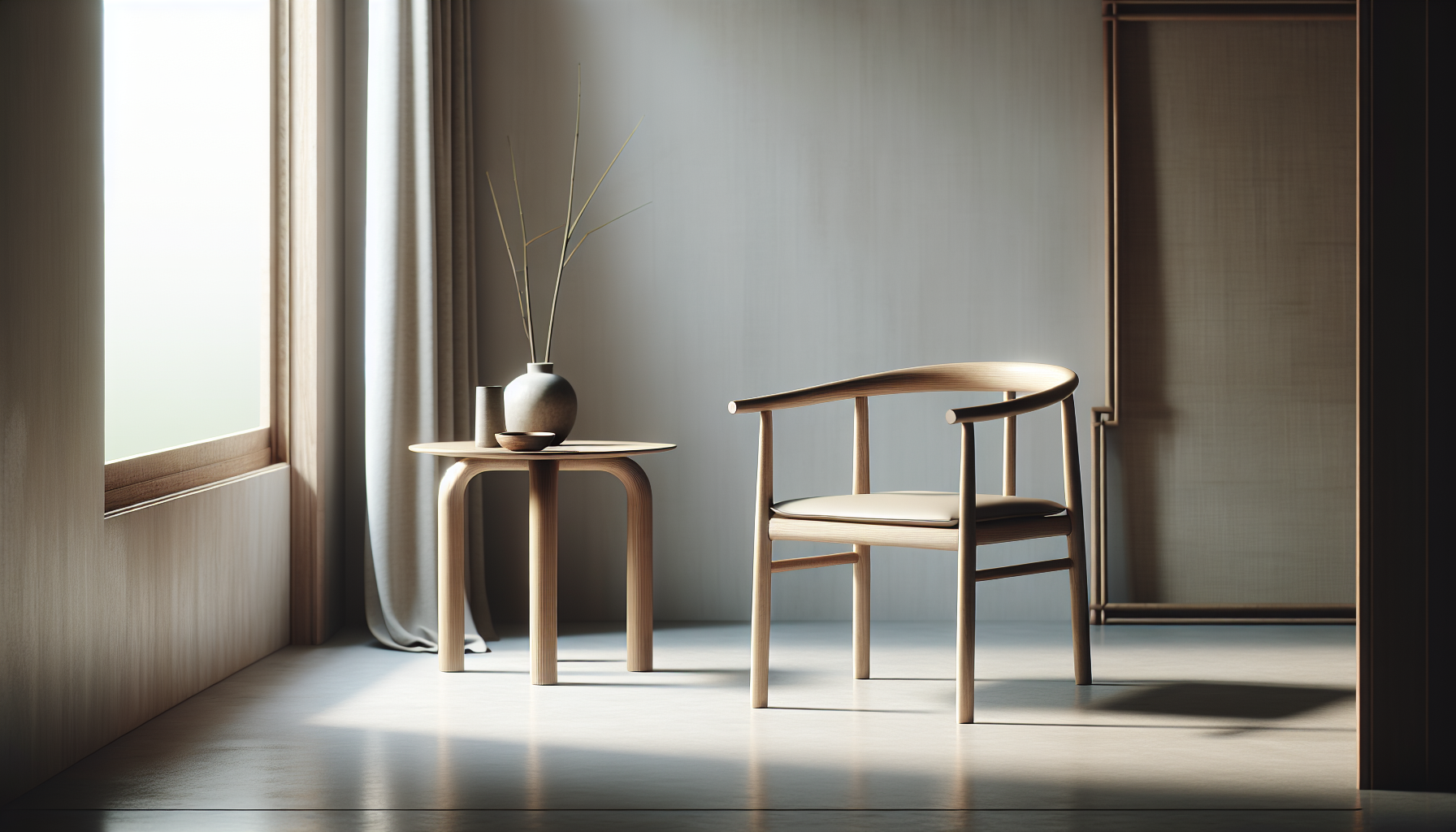
Japandi style is a design trend that beautifully merges Japanese minimalism with Scandinavian functionality. It’s all about creating serene spaces with a focus on craftsmanship, natural materials, and a sense of harmony. If you’re someone who appreciates clean lines, earthy colors, and an uncluttered environment, this style might resonate with you.
The Elements of Japandi Style
Japandi incorporates several key elements that contribute to its unique aesthetic:
- Natural Materials: Wood, bamboo, and stone are fundamental. These materials bring a sense of warmth and authenticity to any space.
- Neutral Color Palette: Soft browns, whites, grays, and muted colors create a calm atmosphere, ideal for a tiny home where light and space are crucial.
- Functional Furniture: Pieces are not just beautiful; they serve a purpose. Multi-functional furniture is particularly useful in tiny homes.
- Open Spaces: Japandi emphasizes simplicity and decluttering. In tiny house designs, open space is often a priority, allowing for a more spacious feel despite the square footage.
By understanding these elements, you can effectively apply Japandi style to your tiny house, creating a comfortable and aesthetically pleasing home.
Incorporating Japandi Style in Tiny House Designs
The beauty of tiny house living is its focus on intentionality, and Japandi style thrives on this concept. By merging these two ideas, you can create a space that feels both expansive and intimate. Let’s break down how to incorporate Japandi principles into your tiny home.
1. Embrace Minimalism
Your tiny house doesn’t have the luxury of extra space, so every item needs to have a purpose. You’ll want to streamline your possessions and choose quality over quantity.
Tips for Embracing Minimalism:
- Declutter: Go through your belongings and only keep what is essential. This not only frees up space but also allows for a clearer mind.
- Smart Storage Solutions: Utilize under-bed storage, vertical shelving, and furniture that doubles as storage to keep things tidy.
2. Quality over Quantity
In Japandi design, each item you choose should evoke a sense of beauty and function. Investing in high-quality materials and craftsmanship will elevate your tiny house aesthetic.
Suggestions for Quality Investments:
- Furniture: Consider purchasing handcrafted pieces made from sustainable materials.
- Kitchenware: Opt for beautiful yet functional kitchen tools that can also serve as décor, such as ceramic cookware or wooden cutting boards.
3. Create a Natural Flow
The layout of your tiny house should promote a seamless flow between spaces. Open layouts work well within the Japandi style, allowing natural light to move freely throughout the home.
Tips for Creating Natural Flow:
- Open Layouts: Think about knocking down walls, if possible, to create a larger living area.
- Use Rugs: Define distinct spaces within open layouts using area rugs to create a cozy atmosphere without blocking the flow.
Selecting the Right Color Palette
When it comes to color, sticking to a neutral palette will enhance the sense of space in your tiny home. Japandi design favors earthy tones that connect you with nature.
1. Earthy Neutrals
Colors like taupe, beige, soft browns, and greys make your tiny house feel more expansive. You can highlight these colors through paint, furniture, and even textiles.
Color Suggestions:
- Walls: Paint your walls in a soft gray or beige to create a calm backdrop.
- Textiles: Add cushions or throws in muted tones that complement your surroundings.
2. Accent Colors
While maintaining a neutral base, you can introduce a few accent colors to add personality to the space. Deep greens, soft blues, or muted pastels work beautifully in a Japandi-inspired palette.
Ideas for Accents:
- Plants: Introduce indoor plants with lush green foliage.
- Artwork: A single piece of colorful artwork can act as a focal point without overwhelming the space.
Choosing Furniture for Your Tiny House
Furnishing a tiny space using Japandi principles calls for a strategic approach. You want to select pieces that enhance the aesthetic while being functional.
1. Multi-functional Pieces
Since space is at a premium in a tiny house, look for furniture that serves multiple purposes.
| Furniture Item | Functionality |
|---|---|
| Sofa Bed | Offers seating during the day and sleeping space at night |
| Extendable Table | Can be compact for everyday use but expands for guests |
| Storage Ottomans | Provides seating and hidden storage space for blankets or books |
2. Stylish Yet Functional Design
Select furniture with clean lines and natural materials. Pieces made from sustainable sources not only look beautiful but also align with the principles of Japandi design.
Furniture Suggestions:
- Wooden Tables: Opt for a simple wooden dining table that showcases the natural grain.
- Low-profile Beds: A low bed can create an illusion of higher ceilings and more space.
Bringing Nature Indoors
Japandi design emphasizes a connection to nature, which is essential for creating a tranquil atmosphere in your tiny house.
1. Plant Life
Incorporating greenery is an easy way to bring nature indoors. Plants not only purify the air but also offer a splash of color and life.
Plant Suggestions:
- Low-maintenance Plants: Succulents, pothos, or snake plants are great for tiny spaces due to their minimal care requirements.
- Hanging Plants: Use hanging pots to save on space and create visual interest.
2. Natural Light
Maximizing natural light will help your tiny house feel larger and more inviting.
Tips for Bringing in Light:
- Large Windows: If feasible, include larger windows to allow an abundance of light.
- Skylights: Consider installing a skylight for additional natural light and a view of the sky.
Textiles in Japandi Design
Textiles play an essential role in creating warmth and comfort in your tiny house. Choosing the right fabrics can harmonize the bedroom, living room, and dining areas.
1. Natural Fabrics
Fabrics made from natural fibers like linen, cotton, and wool will enhance the earthy feel of your tiny home.
Suggestions for Textiles:
- Bedding: Opt for organic cotton sheets and wool throws that combine comfort with sustainability.
- Curtains: Light linen curtains can soften the space without blocking sunlight.
2. Layering Textures
Layering different textures adds depth to your design while adhering to Japandi principles.
Ideas for Layering:
- Throws and Pillows: Mix various textures, such as knitted throws and soft cushions, to create a cozy ambiance.
- Rugs: A natural fiber rug can add warmth beneath your feet, especially in an open layout.
Detailing Your Tiny House
The details often make the difference when it comes to interior design. Incorporating well-thought-out décor elements aids in solidifying the Japandi aesthetic.
1. Art and Decor
Be selective about the décor items you choose so they invoke calmness and complement your design ethos.
Art Suggestions:
- Japanese Prints: Consider hanging traditional Japanese prints that echo simplicity and beauty.
- Sculptural Elements: A few well-placed sculptures can act as focal points without cluttering the space.
2. Lighting Choices
The right lighting can enhance the mood in your home. Opt for fixtures that are both functional and stylish.
Lighting Ideas:
- Simple Fixtures: Go for pendant lights with clean lines or floor lamps that offer gentle illumination.
- Dimmer Switches: Adding dimmer switches can help you adjust the lighting according to your needs, creating a relaxing atmosphere.
Sustainability in Tiny House Designs
Seamlessly interconnected with Japandi style, sustainability should be at the core of your tiny house design.
1. Use of Eco-friendly Materials
Choose sustainable materials when building or renovating your tiny house. This aligns with both Japandi principles and the essence of tiny living.
Material Suggestions:
- Reclaimed Wood: Using reclaimed wood not only offers character but is also environmentally friendly.
- Non-toxic Paints: Opt for low-VOC or natural paints to maintain indoor air quality.
2. Energy Efficiency
Consider energy-efficient appliances and systems to reduce your tiny house’s environmental footprint.
Tips for Energy Efficiency:
- Solar Panels: Installing solar panels can drastically reduce energy costs.
- Energy Star Appliances: Choose appliances that are certified energy-efficient to conserve resources.
Creating a Sense of Peace
Ultimately, the goal of a Japandi-inspired tiny house is to create a peaceful haven.
1. Mindful Space
Incorporate elements that encourage mindfulness and tranquility.
Suggestions for Mindfulness:
- Meditation Nook: Designate an area for meditation, using cushions and a calming color scheme.
- Soothing Sounds: Incorporate sound machines or plants that create soft sounds for a serene atmosphere.
2. Visual Clarity
Ensure your space remains visually clear. A clutter-free environment contributes significantly to a peaceful mindset.
Tips for Maintaining Visual Clarity:
- Regular Decluttering: Schedule regular decluttering sessions to keep the space organized.
- Mindful Placement: Place objects intentionally rather than randomly. Each item should enhance the overall vibe of your tiny house.
Conclusion: Embracing Japandi in Tiny House Living
By integrating Japandi style into your tiny house design, you’re not just creating a living space—you’re crafting an environment that promotes mindfulness and intentional living. Each decision you make, from choosing the right materials to selecting furniture, helps establish a harmonious atmosphere that reflects both simplicity and beauty.
As you plan your tiny house, take these principles to heart, and create a unique living space that feels expansive while remaining cozy and personal. Enjoy the journey of designing your own little retreat that beautifully embodies the essence of Japandi style!