
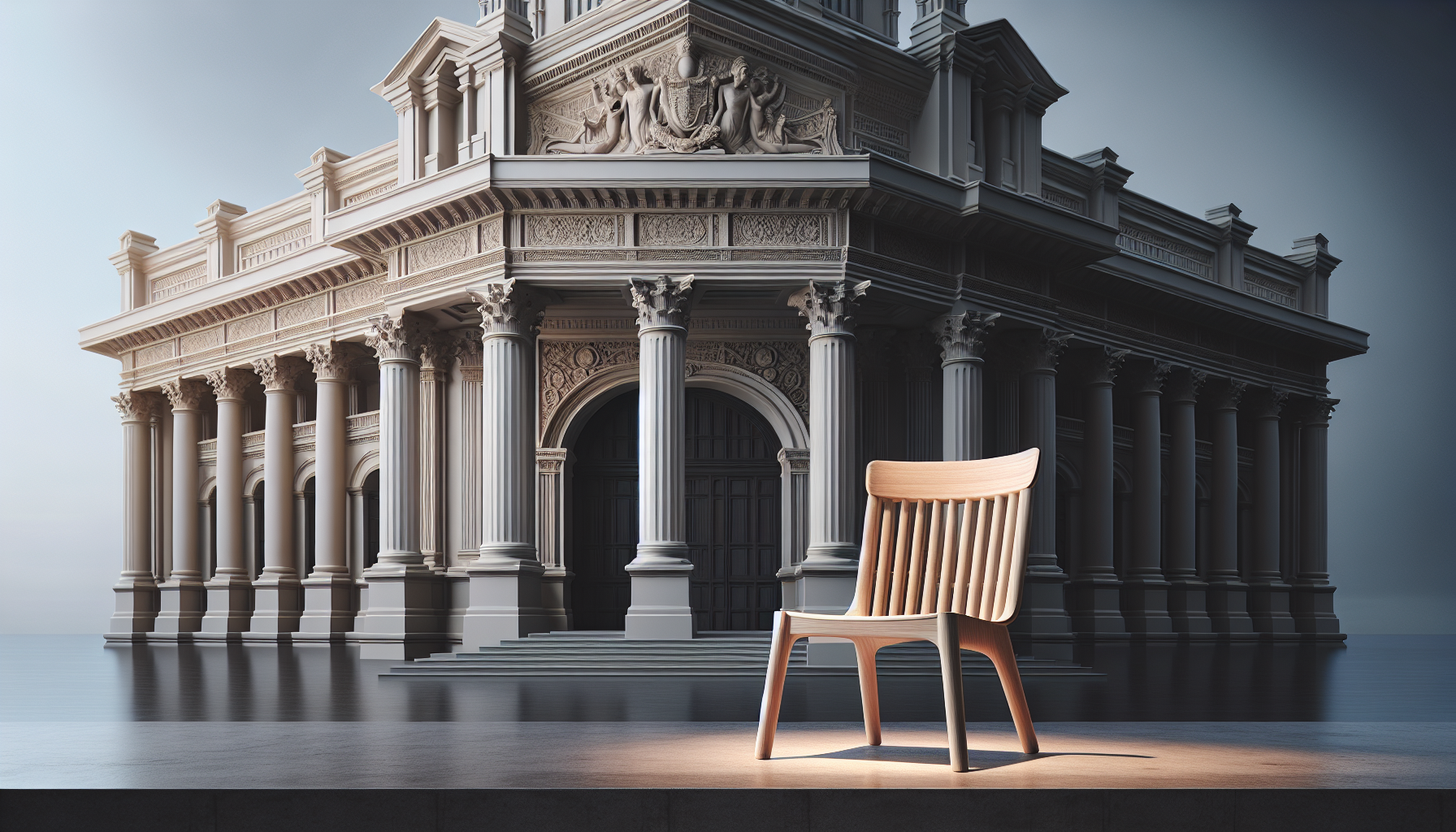
Can design styles really blend together harmoniously, especially when one is modern like Japandi and the other rooted in history? This question might have crossed your mind as you admire a historical structure’s captivating details yet also appreciate the simplicity and elegance of Japandi design.
Understanding Japandi Design
Japandi design is a beautiful fusion of Japanese minimalism and Scandinavian functionality. It champions clean lines, natural materials, and an understated elegance that focuses on quality rather than quantity. The idea behind Japandi is to create spaces that promote tranquility and mindfulness, all while ensuring that functionality is never compromised.
The Essence of Japandi
At its core, Japandi revolves around a few key principles:
-
Minimalism: Emphasizing less clutter and more space, Japandi encourages you to curate your belongings and create a serene backdrop.
-
Natural Materials: Think wood, stone, and fabrics that draw inspiration from nature. These materials help create balance and warmth, making a room feel welcoming.
-
Functionality: Every piece of furniture should serve a purpose, and it should seamlessly integrate into your lifestyle. This practicality shines through in Japandi design.
The Appeal of Historical Buildings
Historical buildings possess a unique charm that can transport you back in time. The intricate details, grand architectures, and stories ingrained within their walls evoke a sense of nostalgia and connection to the past.
Character and Craftsmanship
One cannot help but appreciate the character that historical buildings exude. Here are some traits that many of these structures display:
-
Unique Detailing: From ornate moldings to handcrafted tiles, historical buildings showcase craftsmanship that often cannot be replicated today.
-
Cultural Significance: Each historical building tells a story, representing different periods, styles, and cultural influences.
-
Architectural Styles: You might encounter a range of styles, including Gothic, Baroque, and Victorian, each infusing character and relevance into a location.
Harmonizing Japandi with Historical Buildings
Now, the challenge arises: how can the clean, modern aesthetic of Japandi harmoniously coexist with the intricate details of historical structures? Is it even possible to find a balance?
Focusing on Simplicity
One of the central tenets of Japandi is its simplicity, which can beautifully complement the complexity of historical buildings. To harmonize these two styles, consider employing the principle of ‘less is more.’ Here’s how:
-
Choose a Neutral Palette: Use neutral colors in your decor to let the historical elements take the spotlight without overwhelming the senses. Shades like beige, soft whites, and muted grays can create a cohesive look.
-
Open Spaces: If the historical building allows, focus on creating open spaces that encourage flow. Avoid overcrowding areas with furniture so that the architectural features remain visible.
Integrating Natural Elements
Nature plays a central role in Japandi, and integrating this into a historical context can create a tranquil environment. Here’s what you might consider:
-
Natural Materials: Opt for furniture and decor made from sustainable materials like wood, stone, and organic fabrics. This will not only harmonize with the structure but also add warmth.
-
Indoor Plants: Introducing greenery can add a fresh touch while softening the stark contrasts between historical and modern elements. Consider a few strategically placed plants that thrive in indoor settings to enhance the aesthetic.
Merging Furnishings
When it comes to picking furniture, the goal is to find pieces that reflect the Japandi ethos without overshadowing the building’s historical significance.
-
Low-Profile Furniture: Look for low, simple furniture that complements high ceilings or grand staircases without competing with them. This will respect the architectural scale of your space.
-
Stylish Functionality: Choose pieces that are both beautiful and functional. A simple wooden table with an elegant design can serve as a focal point without upstaging the building’s heritage.
Creating Zones
Incorporating the Japandi style involves careful consideration of space allocation within a historical building. You can achieve distinct areas that retain harmony while serving various functions.
Defining Spaces
-
Living Areas: Create a cozy sitting area that reflects minimalism. Think about a few well-placed chairs and a low table. This setup encourages conversation while honoring the space’s history.
-
Dining Spaces: Use a large wooden dining table, which can add a rustic feel while being functional. Surround it with simple chairs that don’t overload the aesthetic.
-
Work Nooks: If the building allows for it, carve out a small work corner. A slim desk and a comfortable chair can provide the perfect spot for your productivity while maintaining a relaxed vibe.
Respecting and Showcasing Historical Aspects
It is crucial to honor the building’s historical aspects while introducing the Japandi style. Engage openly with the existing architecture instead of competing against it.
Highlight Architectural Features
-
Emphasize Original Elements: Retain and restore original features like beams, moldings, or fireplaces. These characteristics deserve to be celebrated and can be complemented by simple, elegant Japandi elements.
-
Lighting: Add tasteful lighting that accentuates the beauty of the original architecture. Choose fixtures made from natural materials like wood or metal that align with the Japandi style while still complimenting the historical backdrop.
Individualizing Your Space
Customization is a way to reflect your identity while harmonizing Japandi with a historic building. Your unique touch can create harmony between your personality and the identity of the building.
Art and Decor
-
Minimal Art Selection: Instead of crowding your walls with art, select a few meaningful pieces that resonate with you. Aim for artwork that underscores simplicity and natural themes, reinforcing the Japandi essence.
-
Textiles and Fabrics: Use soft, neutral textiles to create inviting spaces. Natural fibers like cotton and linen can introduce warmth without overwhelming the senses.
The Role of Color
Color can play a significant role in how well your design choices harmonize together.
Embracing a Cohesive Color Scheme
-
Neutral Base: Start with a neutral base for your walls and larger furniture. This backdrop allows the unique history of the building to shine through.
-
Accents and Layering: Incorporate muted accent colors through smaller accessories or throw pillows for warmth. The layering approach aligns with both the historical character and Japandi’s gentle aesthetics.
Conclusion: The Perfect Balance
The blend of Japandi design with historical buildings is not just possible; it can be incredibly rewarding. By respecting the essence of both styles and finding ways to merge them, you can create a serene and inviting environment that resonates with your personal taste.
Whether it is through the thoughtful selection of furnishings, an emphasis on natural materials, or the maintenance of original architectural features, there are countless opportunities to harmonize these two worlds. Your home can serve as a testament to the past while embracing the calm, functional principles of the present. Should you choose to embark on this journey, you will find that Japandi design can not only exist with historical buildings but thrive within them, enriching both your living space and your life.