
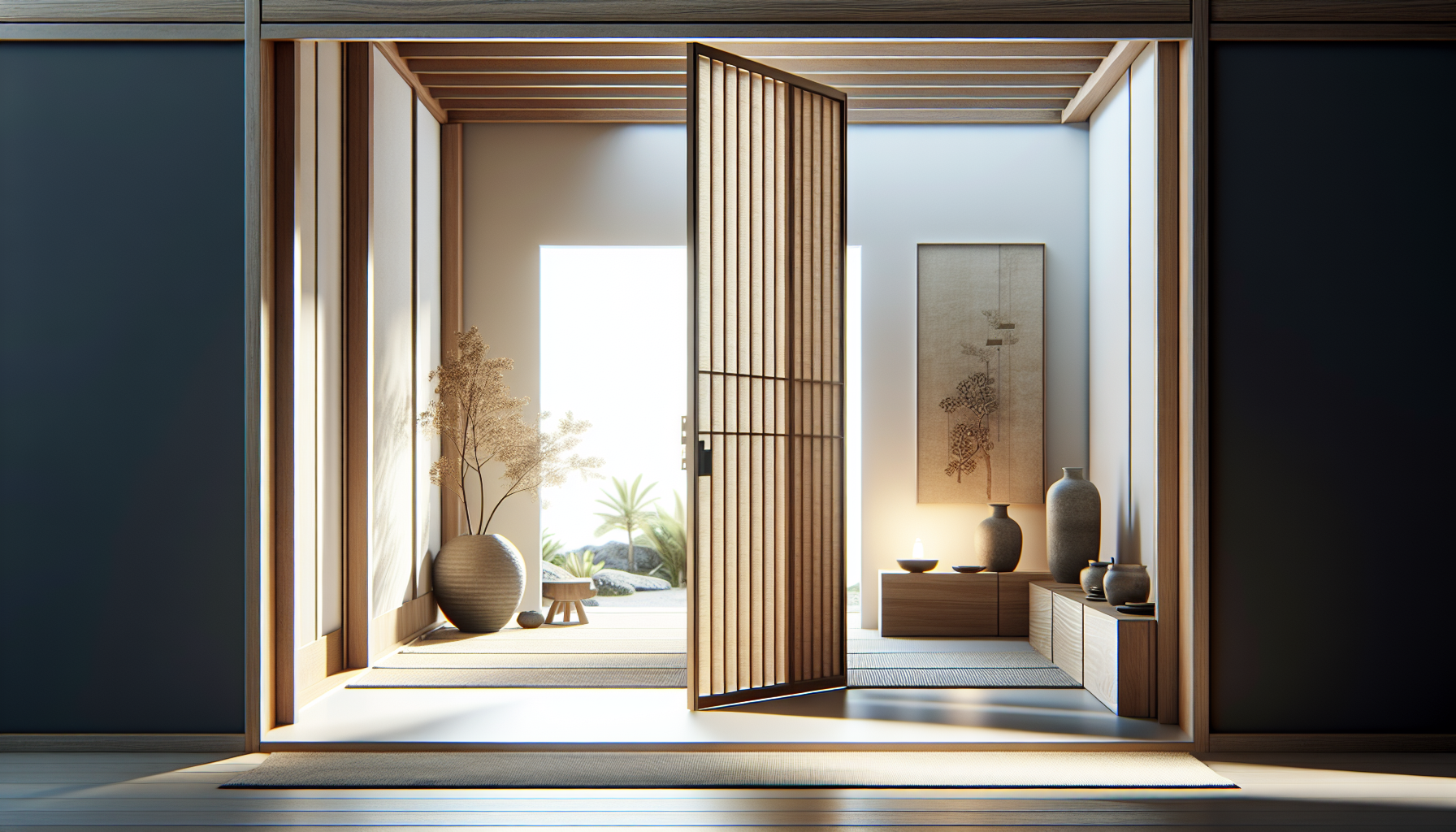
Have you ever wondered why sliding doors have become such a popular feature in Japandi homes? The blend of Japanese minimalism and Scandinavian functionality creates a unique atmosphere, and sliding doors play a significant role in that aesthetic.
Understanding the Japandi Style
Japandi style is more than just an interior design trend; it’s a lifestyle choice that emphasizes simplicity, functionality, and harmony with the environment. By merging the best of both Japanese and Scandinavian design philosophies, you create a warm, inviting space.
The Essence of Japanese Design
In Japanese design, you’ll find a focus on minimalism and nature. This is evident in clean lines, natural materials, and the use of space that invites tranquility. You might appreciate how traditional Japanese homes often have sliding doors, or “fusuma,” that seamlessly create a fluidity between rooms.
Scandinavian Influence
On the other hand, Scandinavian design brings in a sense of coziness and warmth, often referred to as “hygge.” This aesthetic prioritizes functionality and thoughtful design, encouraging you to fill your space with light and comfort. The combination of these two styles results in a serene and balanced atmosphere.
Why Sliding Doors?
You might be curious about the practical and aesthetic roles that sliding doors play in Japandi homes. They offer several advantages that align perfectly with the principles of this design style.
Space-Saving Solutions
One of the primary benefits of sliding doors is their ability to save space. Unlike traditional swinging doors, sliding doors move along a track and don’t require clearance. In smaller homes or apartments, this can be a game-changer. You can have larger furniture arrangements or layout options without worrying about door swings obstructing the flow.
Seamless Indoor-Outdoor Living
Japandi homes often emphasize a connection to nature. Sliding doors can help you create a seamless transition between your indoor and outdoor spaces. When you slide open your doors to a garden or patio, it invites natural light and creates the illusion of more space, enhancing your overall living experience.
Aesthetic Appeal
In terms of aesthetics, sliding doors provide a sleek and modern look that complements the Japandi style. You can choose from various materials and finishes, such as wood or glass, to match your home’s overall color palette and theme. This visual harmony is essential in maintaining the serene atmosphere typical of Japandi design.
Customization Options
Another appealing aspect of sliding doors is the plethora of customization options available. Whether you prefer a minimalist frosted glass design or a more rustic wooden door, there’s a sliding door that caters to your unique style. Customization ensures that your doors enhance both functionality and aesthetics.
Types of Sliding Doors
Understanding the different types of sliding doors can further enlighten you about their role in Japandi homes. Let’s break down some of the most common types and their features.
Traditional Sliding Doors
Traditional sliding doors often consist of two panels that slide past one another. They are an excellent choice for closets or internal room separations while maintaining a minimalist look.
| Feature | Details |
|---|---|
| Material Options | Wood, glass, or composite |
| Best Uses | Closets, room dividers |
| Style Flexibility | Can be customized to match décor |
Pocket Sliding Doors
Pocket doors slide into the wall, completely disappearing when open. They are perfect for maximizing space and maintaining an uncluttered aesthetic.
| Feature | Details |
|---|---|
| Material Options | Various hardwoods or lightweight composites |
| Best Uses | Bathrooms, small rooms |
| Style Flexibility | Can be designed to align with wall finishes |
Bi-Fold Sliding Doors
Bi-fold doors consist of multiple panels that fold in on themselves. These doors are perfect for creating expansive openings to outdoor spaces or larger rooms.
| Feature | Details |
|---|---|
| Material Options | Glass, aluminum, wood |
| Best Uses | Living rooms, dining areas |
| Style Flexibility | Options range from modern to rustic |
Practical Considerations When Choosing Sliding Doors
It’s essential to think about various factors when selecting sliding doors for your Japandi home. Keep these considerations in mind to ensure the best fit for your style and needs.
Natural Light
Sliding doors can significantly enhance the amount of natural light in your home. If you’re in a climate with ample sunlight, consider glass sliding doors or those with larger panels. This choice will brighten up your spaces and help you feel more connected to the outdoors.
Privacy Needs
While sliding doors can provide an airy feel, privacy can be a concern, especially in shared areas. You might consider options like frosted glass or textured panels that still allow light to filter through while maintaining your privacy.
Durability and Maintenance
When selecting materials, factor in durability and maintenance. High-quality materials will not only last longer but will also require less upkeep. For instance, hardwood sliding doors may need occasional sealing, while glass doors often require more regular cleaning.
Budget
Setting a budget will help you find the best sliding door options within your price range. Different styles, materials, and customization levels will affect the final cost, so being clear on what you can afford will simplify your decision-making process.
The Cultural Significance of Sliding Doors in Japandi Homes
Beyond their functional and aesthetic features, sliding doors carry cultural significance that aligns with the philosophies of both Japanese and Scandinavian design.
Harmony with Nature
In Japanese culture, sliding doors have historically been used to blur the lines between indoor and outdoor spaces. They embody a philosophy that values harmony with nature, encouraging you to cultivate a deeper connection with your surroundings.
Simplicity and Minimalism
Sliding doors also reflect the Japanese emphasis on simplicity. They often strip away excess ornamentation, allowing spaces to feel open and uncluttered. This focus on minimalism can help promote a sense of calm and peace in your home.
Scandinavian Approach to Space
Scandinavians also value simplicity and functionality, often prioritizing simplicity in design to maximize the usability of a space. This perspective can encourage a functional approach to design, promoting the notion that every element should serve a purpose.
Incorporating Sliding Doors into Your Japandi Home
If you’re considering adding sliding doors to your space, here are some tips to help you seamlessly integrate them into your Japandi home:
Choose Natural Materials
Opt for materials like wood or bamboo to echo the natural elements found in both Japanese and Scandinavian design. These materials bring warmth and texture to your space, enhancing the overall aesthetic.
Keep It Minimal
To match the Japandi style, keep the designs of your sliding doors simple. Avoid overly ornate features and opt for clean lines that flow well with the rest of your interior.
Create Flow
Consider the way sliding doors will connect different areas of your home. Ensure they complement the flow of space rather than disrupt it.
Focus on Color
Neutral colors are characteristic of the Japandi palette, so choose sliding doors that reflect shades of earth tones, whites, or muted pastels. This will help maintain the serene, cohesive look you’re aiming for.
Alternatives to Sliding Doors
While sliding doors are an excellent option for enhancing the functionality and aesthetic of your Japandi home, you might also want to consider alternatives that can achieve similar effects.
Folding Doors
Folding doors are great for transitioning between spaces while maintaining flexibility. They can fold open to create a large passageway or stay closed when you need privacy. Their multi-panel designs can bring an element of style similar to sliding doors.
Barn Doors
Barn doors have gained popularity in recent years for their rustic charm. These doors can be an excellent alternative to traditional sliding doors, adding character to your home while still serving a functional purpose.
Traditional Hinged Doors
If space permits, traditional hinged doors can work in a Japandi setting too. By choosing minimalist designs and natural materials, you can still maintain the serene look characteristic of the style.
Dividers
If you desire flexibility and versatility in your space, consider using room dividers. They can allow you to create separate areas without fully enclosing them, which maintains an open feel similar to sliding doors.
Conclusion
So, are sliding doors essential to Japandi homes? While they aren’t a strict requirement, they certainly play an important role in enhancing the features that define this design style. Their space-saving capabilities, aesthetic appeal, and ability to create a seamless transition between indoor and outdoor living ensure that they can be a significant element of a Japandi home.
Ultimately, the perfect sliding door design will depend on your personal taste, space needs, and the atmosphere you wish to create. By carefully considering your options and how they align with the principles of Japandi design, you can create a warm, inviting, and functional environment that you’ll love coming home to.